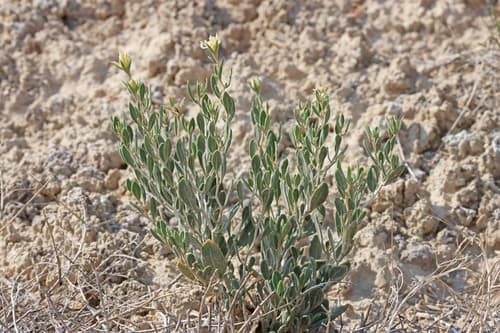
Scopolia japonica
NameScopolia japonica
Scientific NameScopolia japonica
Common NamesJapanese Scopolia, Korean Scopolia, Japanese Belladonna
Plant FamilySolanaceae
Natural HabitatNative to East Asia (Japan, Korea, China), found in moist, shady woodlands, forest edges, and mountain slopes.
Parts Usedroot,leaf
Medicinal Actionsanalgesic, nervine, sedative
Traditional UsesTraditionally used in East Asian medicine for severe pain relief, sedation, and to treat spasms. Due to its extreme toxicity, its use is highly restricted and often for pharmaceutical extraction of its alkaloids rather than direct herbal application.
Active ConstituentsHyoscyamine, Scopolamine, Atropine
Preparation Methodsdecoction, tincture, powder
Contraindications & WarningsExtremely toxic; all parts are poisonous and can be fatal if ingested. Contraindicated in glaucoma, prostate enlargement, heart conditions, pregnancy, breastfeeding, and children. Can cause severe anticholinergic syndrome, including dry mouth, blurred vision, dilated pupils, tachycardia, hallucinations, delirium, coma, and death.
Cultivation NotesPrefers moist, well-drained soil in partial to full shade. Propagated by seed or division of rhizomes. Requires careful handling due to its toxicity.
Rarityuncommon
Description
A perennial herbaceous plant growing up to 60 cm, characterized by ovate to elliptic leaves and nodding, bell-shaped, purplish-brown flowers that bloom in spring. It is a member of the nightshade family and contains potent tropane alkaloids.