Cestrum inclusum
NameCestrum inclusum
Scientific NameCestrum inclusum
Common NamesInkberry Nightshade, Jazmín de Noche
Plant FamilySolanaceae
Natural HabitatNative to tropical and subtropical regions of the Americas, often found in disturbed areas, forest edges, and open woodlands.
Parts Usedleaf
Medicinal Actionsanti-inflammatory, antimicrobial
Traditional UsesWhile some Cestrum species have been historically used in folk medicine for external applications such as poultices for skin conditions or fevers, Cestrum inclusum is generally considered highly toxic. Any traditional medicinal use is extremely limited, poorly documented for safety, and carries significant risks due to the plant's poisonous nature.
Active ConstituentsSolasodine, Solasonine, Solamargine, Saponins
Preparation Methodspoultice
Contraindications & WarningsALL parts of Cestrum inclusum are considered highly toxic if ingested, causing severe gastrointestinal distress, neurological symptoms, and potentially death. It is also toxic to livestock. Skin contact may cause dermatitis in sensitive individuals. Internal use is strictly contraindicated. Pregnant and breastfeeding individuals should avoid all contact. Use only under expert supervision for any external application, with extreme caution.
Cultivation NotesThis hardy shrub prefers full sun to partial shade and well-drained soil. It is drought-tolerant once established and can be propagated from seeds or cuttings. It can be invasive in some regions.
Raritycommon
Description
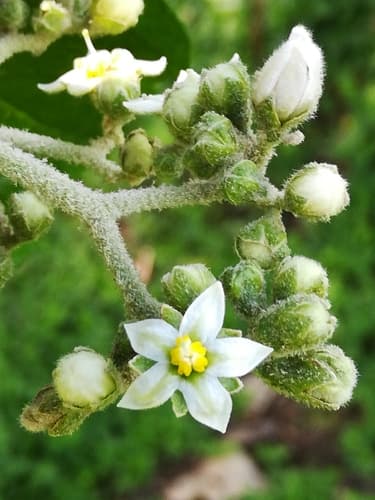
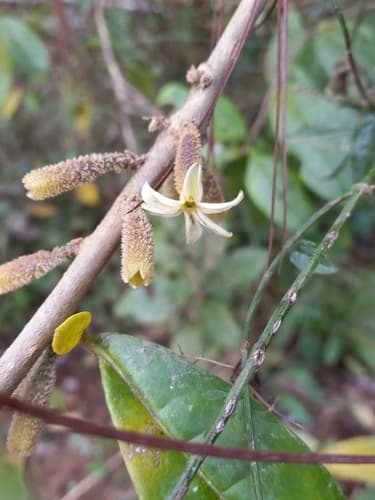
Cestrum inclusum is a woody shrub or small tree characterized by simple, alternate leaves and clusters of tubular, pale yellowish-white flowers with five spreading lobes. The image shows these distinctive flowers and developing fuzzy, elongated structures which are likely immature fruits or flower buds.