Anisodus stramoniifolius
NameAnisodus stramoniifolius
Scientific NameAnisodus stramoniifolius
Common NamesMountain Belladonna, Chinese Belladonna, Datura-leaf Anisodus, 山莨菪 (Shān Láng Dàng)
Plant FamilySolanaceae
Natural HabitatFound in mountainous areas, forest margins, roadsides, and disturbed grounds at elevations between 1800-3000 meters in provinces like Sichuan, Yunnan, and Tibet in China.
Parts Usedroot,leaf
Medicinal Actionsanalgesic, sedative
Traditional UsesTraditionally used in Chinese medicine to relieve pain, calm spasms, treat asthma, cough, and stomach pain. It is also applied topically for traumatic injuries and swelling. Due to its potent toxicity, it is used with extreme caution and under strict medical supervision.
Active Constituentshyoscyamine, scopolamine, atropine, anisodamine
Preparation Methodsdecoction, powder, tincture
Contraindications & WarningsHighly toxic; contraindicated in glaucoma, prostatic hypertrophy, tachycardia, heart disease, pregnancy, breastfeeding, and in children. Overdose can cause severe anticholinergic poisoning, including hallucinations, delirium, coma, and death. Should only be used under strict medical supervision.
Cultivation NotesPrefers moist, well-drained soil in partial shade to full sun. Propagated by seed or root division. Requires a temperate to subtropical climate.
Raritycommon
Description
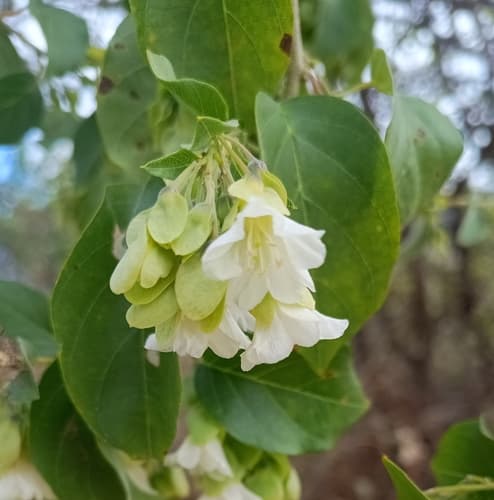
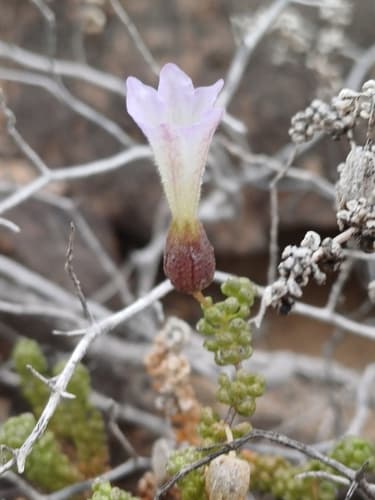
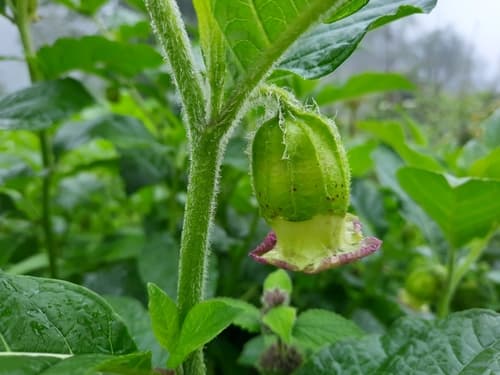
Anisodus stramoniifolius is a robust perennial herb native to mountainous regions of China, characterized by its large, ovate leaves and hairy stems. It produces bell-shaped flowers, often purplish or yellowish-green, which develop into a distinctive inflated, lantern-like calyx enclosing the fruit.