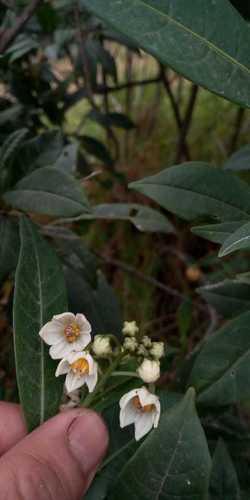
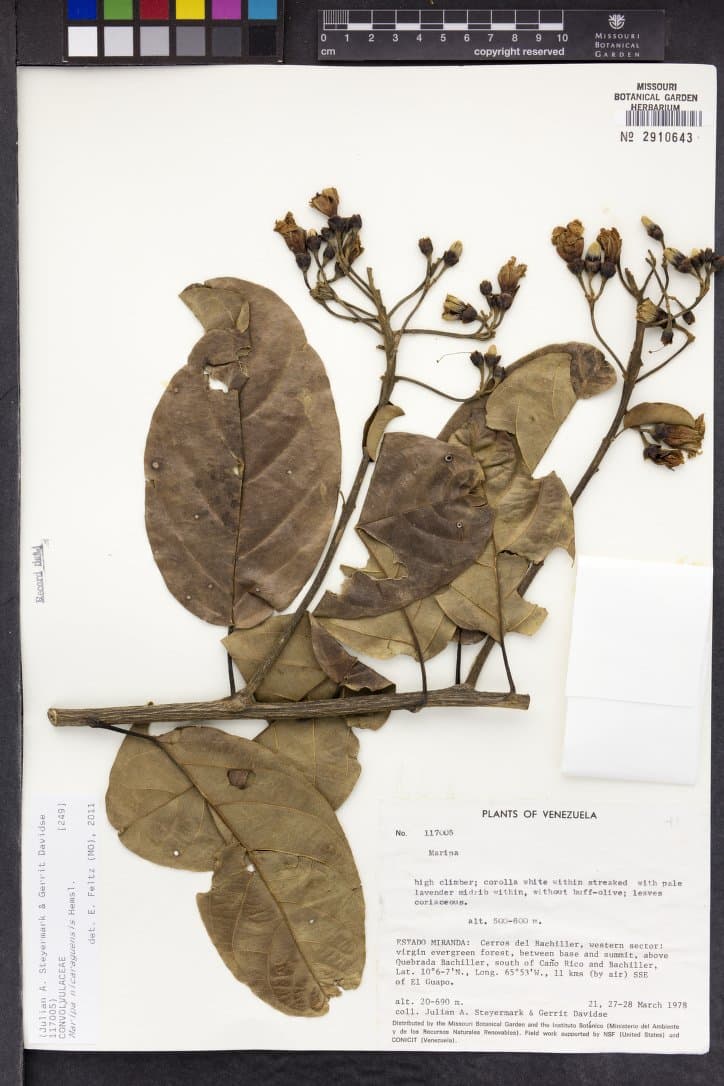
Indigo Bush Dodder
NameIndigo Bush Dodder
Scientific NameCuscuta californica
Common NamesIndigo Bush Dodder, California Dodder, Desert Dodder
Plant FamilyConvolvulaceae
Natural HabitatFound in arid and semi-arid desert regions, chaparral, and grasslands of southwestern North America, where it parasitizes a variety of native shrubs and herbaceous plants, including species of *Psorothamnus* (indigo bush).
Parts Usedwhole_plant
Medicinal Actionsastringent, diuretic, antioxidant
Traditional UsesTraditionally, various dodder species, particularly their seeds, have been used in herbal medicine to support kidney and liver function, improve vision, and address issues like impotence and premature ejaculation. The whole plant has also been used as a diuretic and for skin conditions, though specific uses for *C. californica* are less documented than for Asian dodder species.
Active Constituentsflavonoids, lignans, polysaccharides, alkaloids
Preparation Methodsinfusion, decoction, powder
Contraindications & WarningsGenerally contraindicated in cases of qi deficiency, yin deficiency with heat signs, or severe constipation. Pregnant or breastfeeding individuals should avoid use due to insufficient safety data.
Cultivation NotesAs an obligate parasitic plant, Indigo Bush Dodder cannot be cultivated independently. It requires a suitable host plant to germinate and establish, making it difficult to cultivate intentionally for medicinal purposes and often considered a weed in agricultural contexts.
Raritycommon
Description
Indigo Bush Dodder (*Cuscuta californica*) is a parasitic vine characterized by its distinctive leafless, thread-like stems, typically bright yellow to orange. Lacking chlorophyll, it relies entirely on host plants, such as indigo bushes, for nutrients by forming haustoria that penetrate the host's vascular system. This obligate parasite can form dense, tangled masses over its hosts.