Calamus
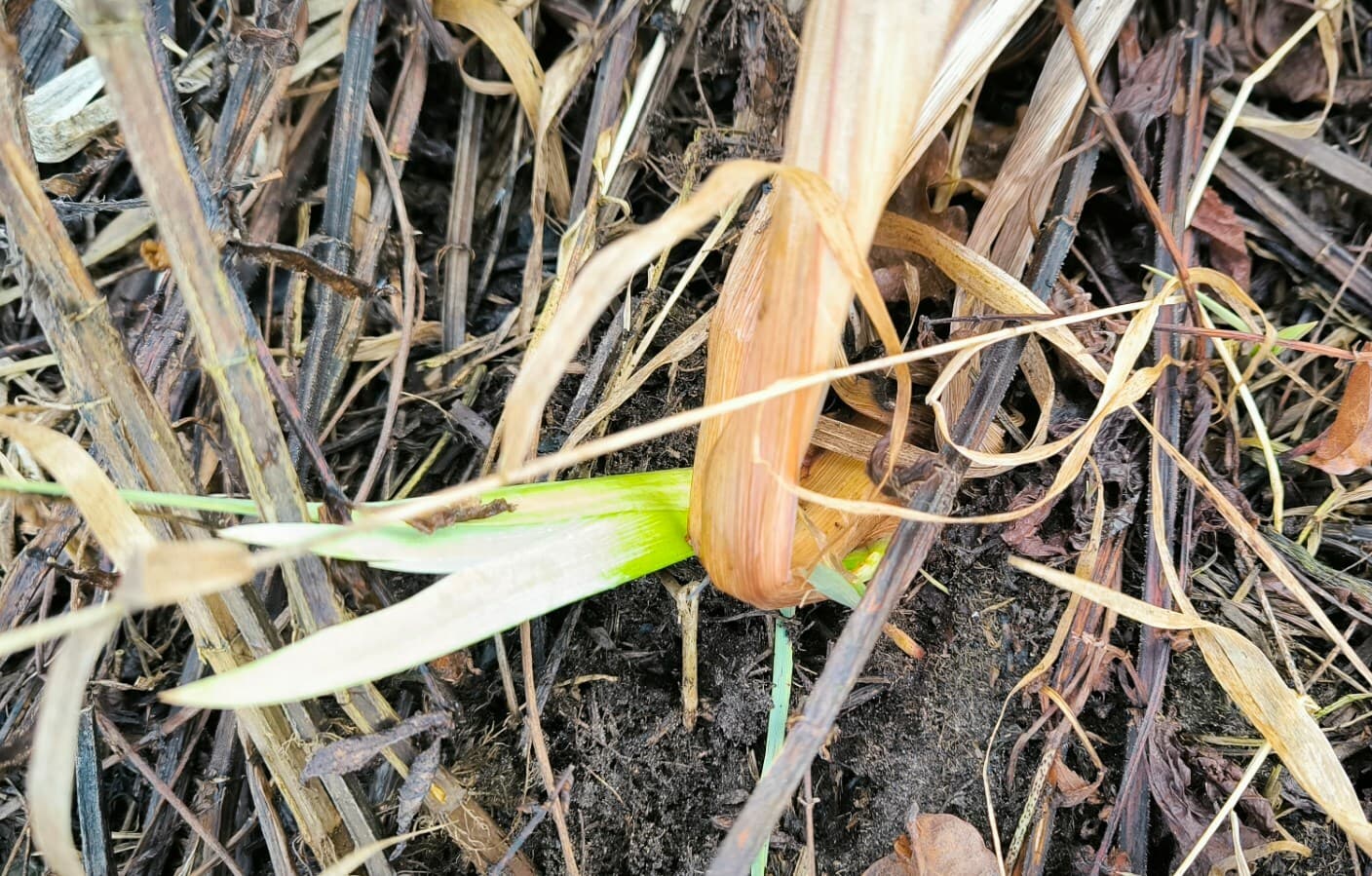
Image: Алексей Афонин (cc-by-nc)
NameCalamus
Scientific NameAcorus calamus
Common NamesSweet Flag, Calamus Root, Vacha, Sweet Sedge, Myrtle Flag
Plant FamilyAcoraceae
Natural HabitatFound in marshes, swamps, bogs, pond margins, and slow-moving streams across temperate regions of the Northern Hemisphere. It thrives in consistently wet, muddy, or shallow water conditions.
Parts Usedroot
Medicinal Actionscarminative, expectorant, nervine, sedative, antimicrobial, anti-inflammatory
Traditional UsesTraditionally, Calamus rhizome has been used for digestive complaints such as indigestion, bloating, and gas due to its carminative properties. It also served as an expectorant for coughs and colds, a nervine to calm anxiety and promote sleep, and externally for skin conditions. In some cultures, it was used for its stimulating and mild psychoactive effects, though this is now approached with extreme caution.
Active ConstituentsBeta-asarone, alpha-asarone, acorone, acoronene, calamene, calamenol, eugenol, methyl eugenol, sesquiterpenes
Preparation Methodsinfusion, decoction, tincture, powder, essential oil
Contraindications & WarningsInternal use of Calamus, especially varieties high in beta-asarone, is highly controversial and potentially carcinogenic; it is generally not recommended for internal use without expert guidance. Avoid during pregnancy, lactation, and in children. Individuals with liver disease or those taking sedatives should exercise extreme caution. The essential oil should not be ingested.
Cultivation NotesCalamus prefers full sun to partial shade and consistently wet to boggy soil conditions. It can be grown in containers submerged in water or along pond edges. Propagation is typically done by dividing the rhizomes in spring or fall.
Raritycommon
Description
Acorus calamus is a perennial wetland monocot characterized by its sword-shaped, grass-like leaves that emerge from a creeping, aromatic rhizome. It typically forms dense stands in shallow water or muddy environments, often resembling large irises or cattails.