Ipomoea tenuirostris
NameIpomoea tenuirostris
Scientific NameIpomoea tenuirostris
Common NamesSlender-beaked Morning Glory
Plant FamilyConvolvulaceae
Natural HabitatNative to tropical and subtropical regions of Africa and Asia, often found growing in disturbed areas, along roadsides, and in open woodlands.
Parts Usedleaf,root,seed
Medicinal Actionsanti-inflammatory, antioxidant
Traditional UsesTraditionally, various Ipomoea species, including those with similar chemical profiles, have been used as purgatives to treat constipation. Some traditional applications also include use for skin ailments and as general tonics, though specific uses for I. tenuirostris are not widely documented.
Active Constituentsresin glycosides, flavonoids, phenolic compounds
Preparation Methodsinfusion, decoction, powder
Contraindications & WarningsDue to potential purgative effects, it should be avoided by pregnant women, young children, and individuals with severe gastrointestinal conditions. High doses can lead to abdominal cramping and severe diarrhea.
Cultivation NotesThis vigorous vine thrives in warm, tropical to subtropical climates with full sun to partial shade. It prefers well-drained soil and requires support for climbing.
Rarityuncommon
Description
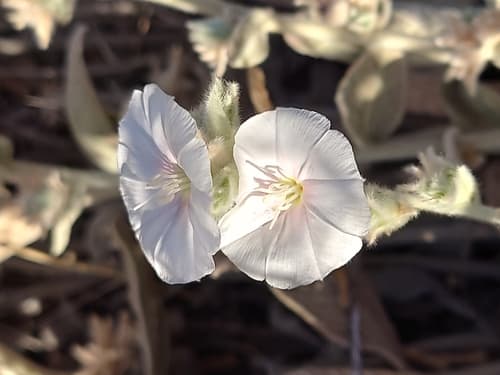
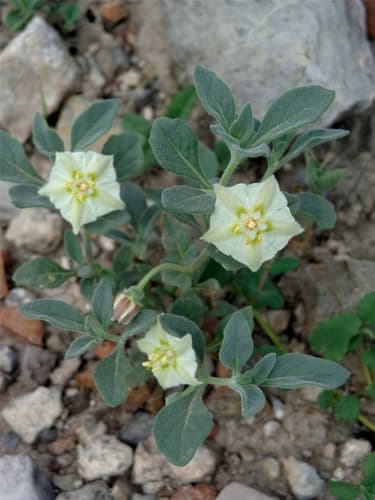
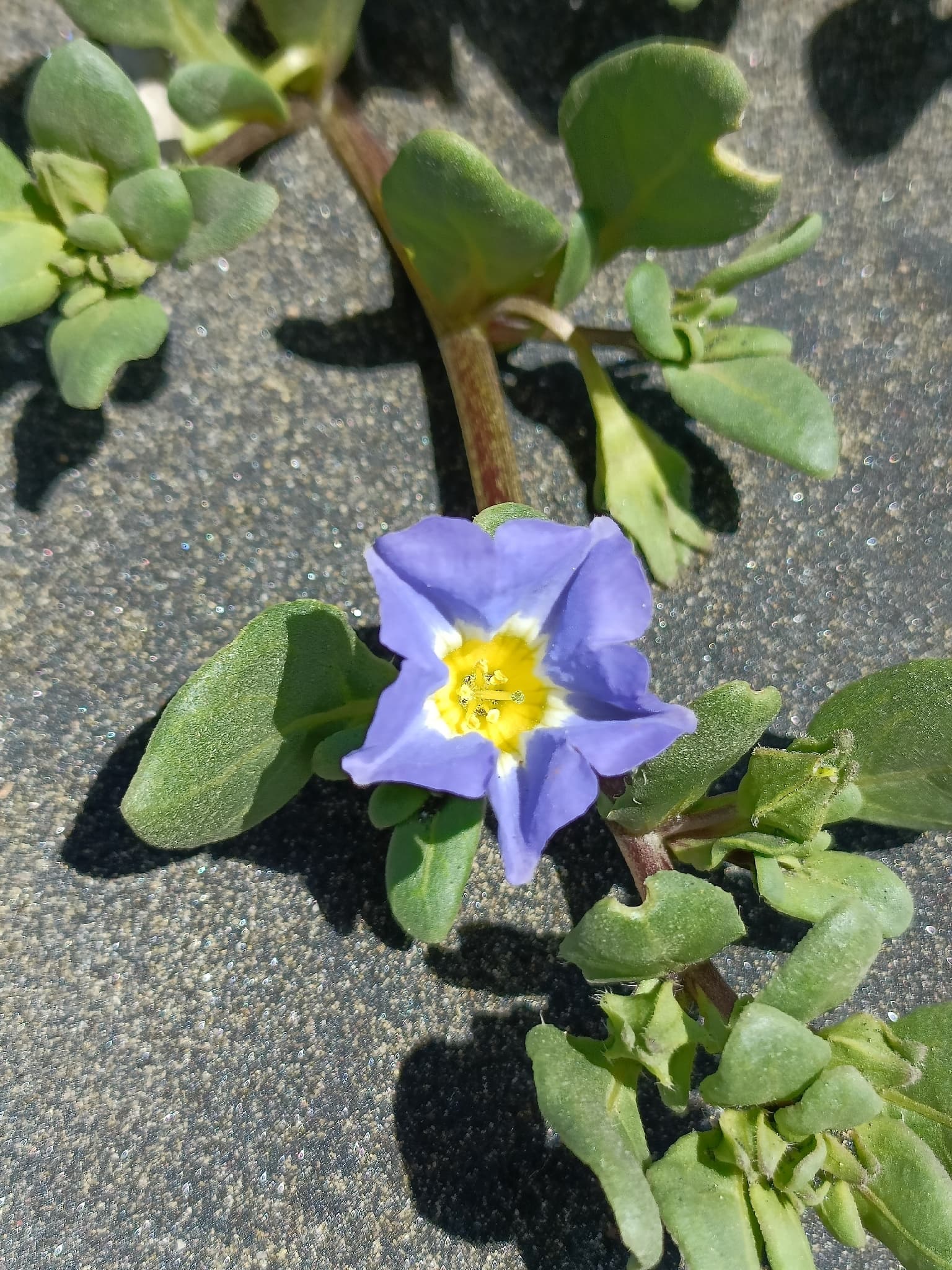
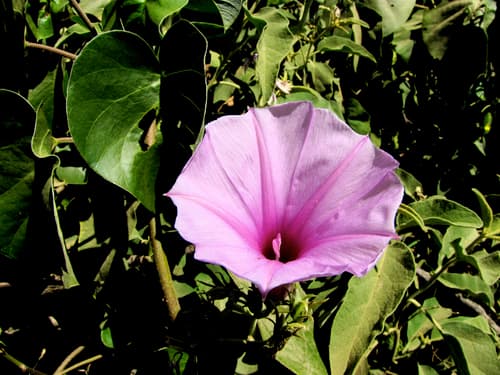
This is a climbing or trailing herbaceous vine characterized by its heart-shaped to ovate leaves. It produces showy, trumpet-shaped flowers, typically pink to purplish-pink with a darker throat, as seen in the image.