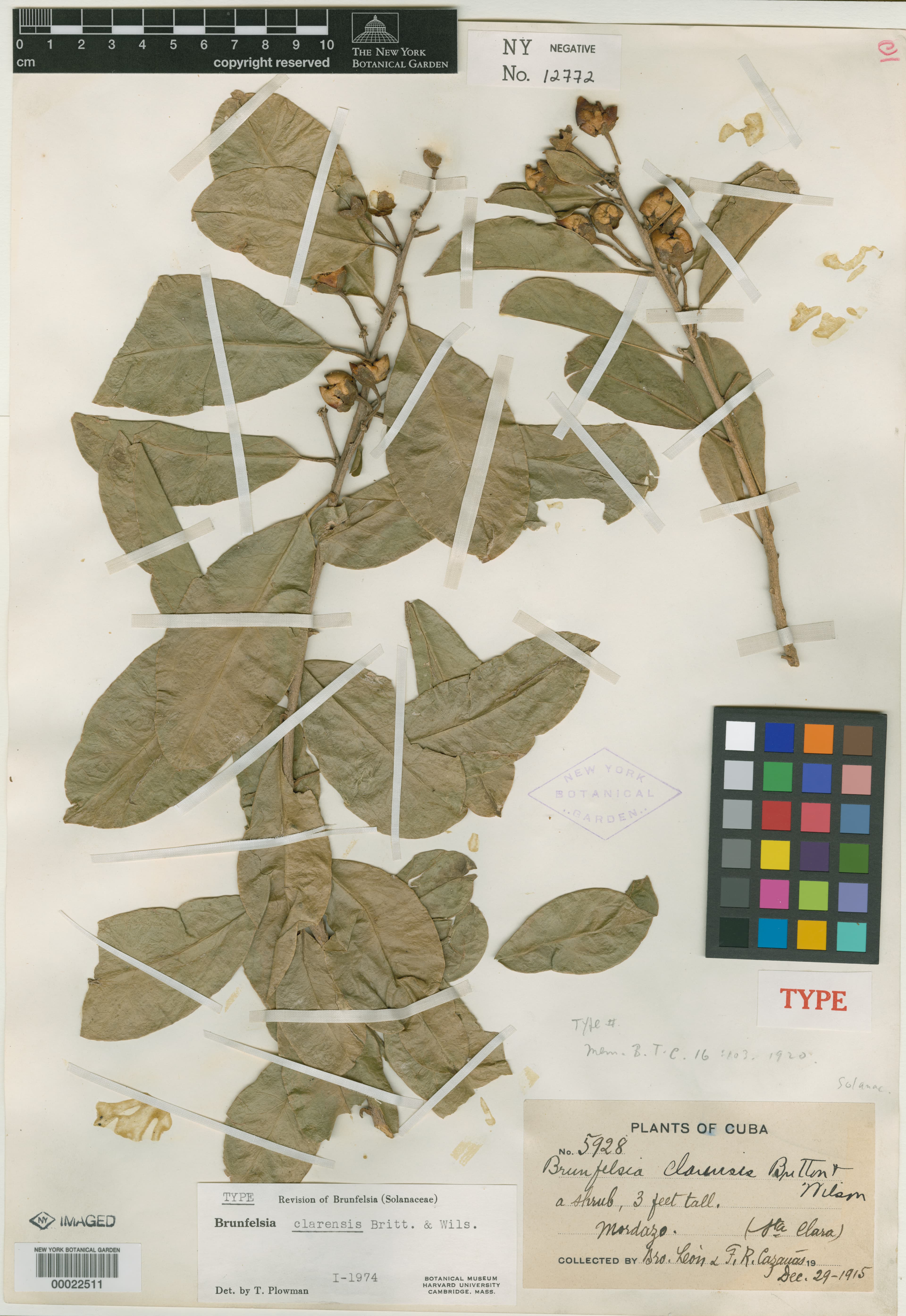
Cakalaka Berry
NameCakalaka Berry
Scientific NameSolanum virginianum
Common NamesCakalaka Berry, Yellow-fruit Nightshade, Indian Nightshade, Kantakari
Plant FamilySolanaceae
Natural HabitatNative to tropical and subtropical regions of Asia, Africa, and Australia. It commonly grows in disturbed areas, roadsides, open fields, and dry, waste places.
Parts Usedfruit,root,whole_plant,leaf,flower
Medicinal Actionsanti-inflammatory, expectorant, diuretic, antimicrobial, antioxidant, analgesic
Traditional UsesTraditionally used in Ayurvedic medicine (as Kantakari) for respiratory ailments like cough, asthma, and bronchitis. It is also employed for fever, digestive issues, urinary problems, and as an anti-inflammatory for joint pain. The fruit is sometimes used for sore throats and indigestion.
Active ConstituentsSolasodine, Solamargine, Solanine, Glycoalkaloids, Flavonoids, Saponins
Preparation Methodsdecoction, infusion, powder, poultice
Contraindications & WarningsDue to the presence of glycoalkaloids, it can be toxic if consumed in large quantities. Not recommended for pregnant or breastfeeding women, or individuals with liver or kidney conditions. May interact with certain medications.
Cultivation NotesGrows best in full sun to partial shade and well-drained soil. It is drought-tolerant once established and can be propagated by seeds. It is considered a weed in some regions due to its prolific growth and prickly nature.
Raritycommon
Description
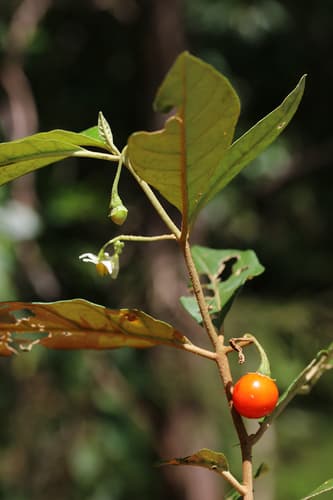
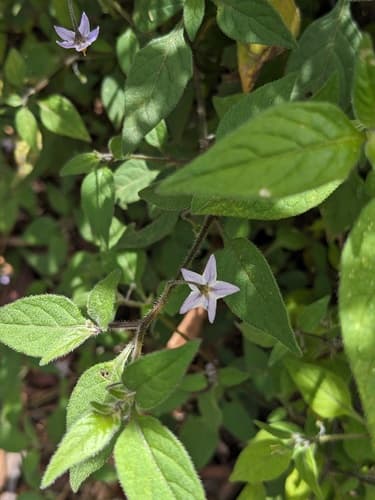
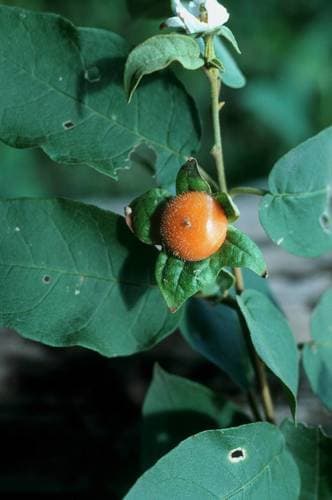
A prickly, spreading perennial herb or small shrub, typically growing up to 1 meter tall. It features ovate to oblong leaves, often lobed and prickly, and produces white to purple flowers followed by globose, yellow to orange, often hairy or prickly berries.