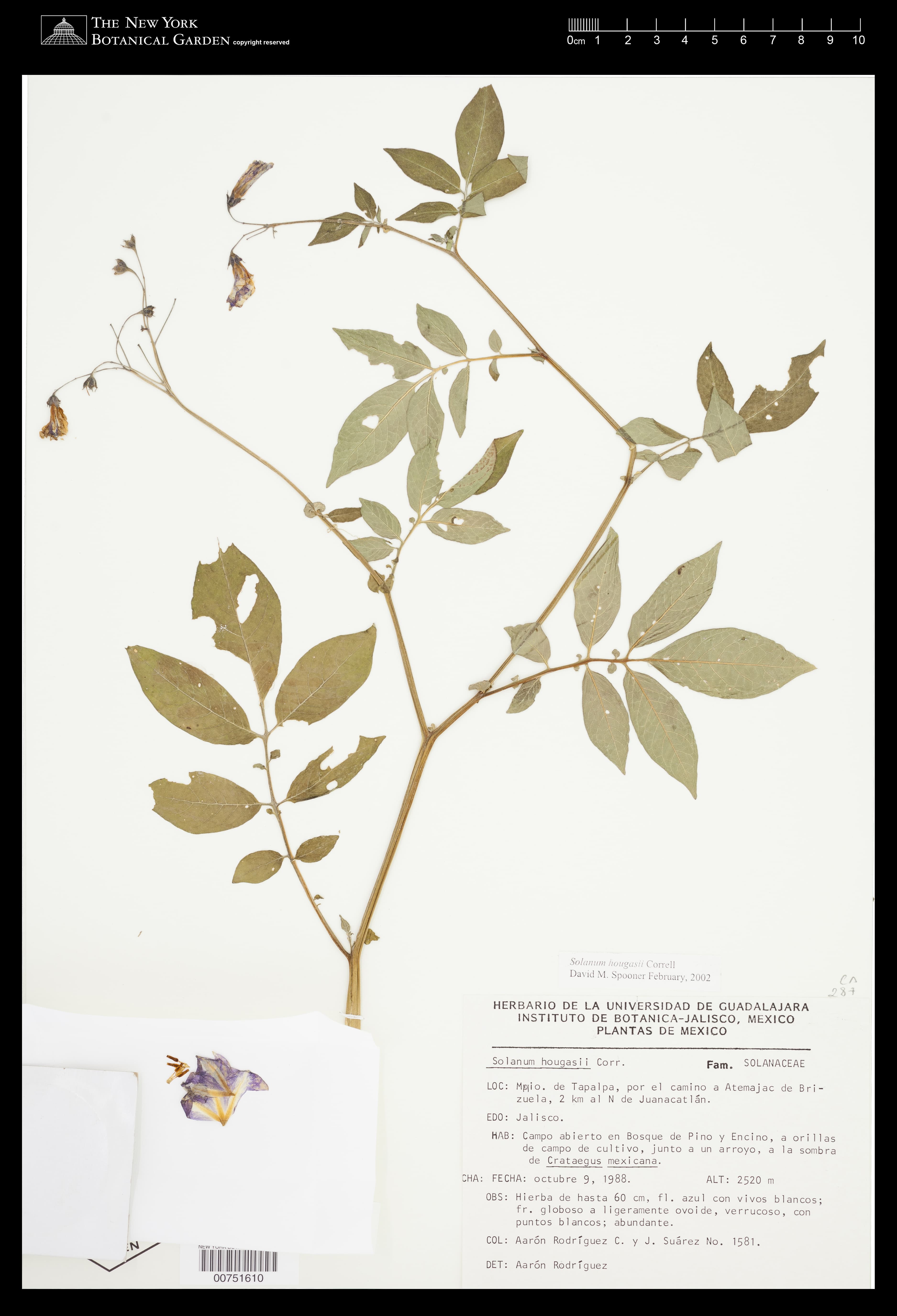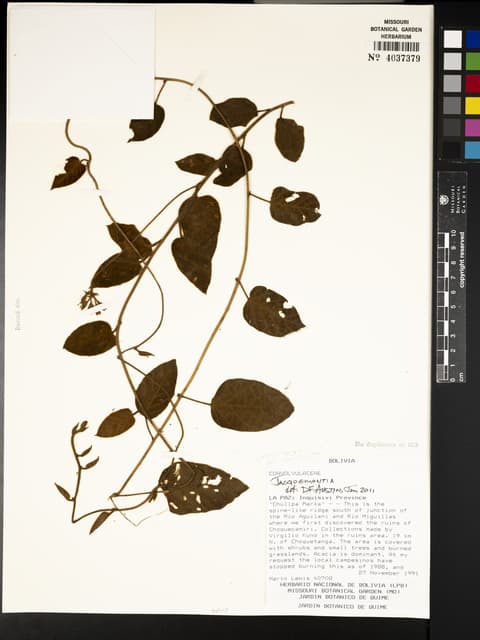
Solanum discolor
NameSolanum discolor
Scientific NameSolanum discolor
Common NamesDiscolored Nightshade
Plant FamilySolanaceae
Natural HabitatNative to Madagascar, the Comoros, and parts of East Africa, it typically grows in dry forests, thickets, and disturbed areas.
Parts Usedleaf,root
Medicinal Actionsanalgesic, anti-inflammatory
Traditional UsesWhile specific traditional uses for Solanum discolor are not widely documented, other species within the Solanum genus are traditionally used for their anti-inflammatory and analgesic properties. These are often applied externally for skin conditions or pain, with internal use typically highly restricted due to toxicity.
Active ConstituentsSteroidal glycoalkaloids, Solasodine
Preparation Methodspoultice
Contraindications & WarningsAll parts of Solanum discolor, especially unripe fruits, are considered toxic due to steroidal glycoalkaloids. Ingestion can cause severe gastrointestinal upset, neurological symptoms, and can be fatal. Not recommended for internal use without expert medical supervision. Avoid during pregnancy, lactation, and in children.
Cultivation NotesPrefers full sun to partial shade and well-drained soil. As a tropical/subtropical species, it requires warm temperatures and protection from frost.
Raritycommon
Description
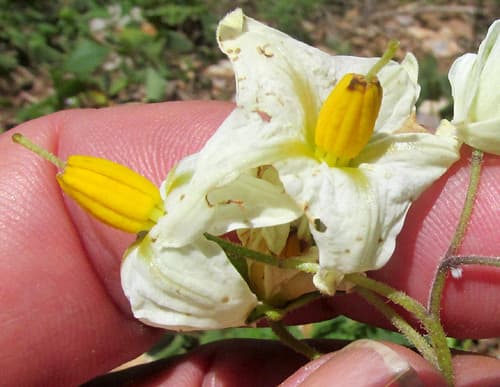
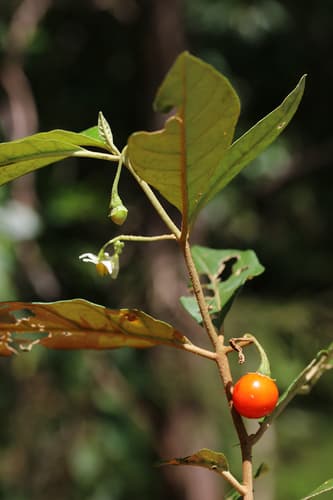
Solanum discolor is a thorny shrub or small tree characterized by its discolorous leaves, which are darker green above and paler below. It produces small, star-shaped white to cream flowers. The plant bears globose berries that ripen to a bright orange or red color.