Solandra longiflora
NameSolandra longiflora
Scientific NameSolandra longiflora
Common NamesChalice Vine, Cup of Gold Vine, Hawaiian Lily
Plant FamilySolanaceae
Natural HabitatNative to tropical regions of Central and South America, it thrives in warm, humid climates, often found in forests, disturbed areas, and coastal thickets.
Parts Usedleaf,flower,bark
Medicinal Actionssedative, analgesic
Traditional UsesTraditionally, indigenous cultures have used Solandra longiflora for its potent hallucinogenic and intoxicating properties in spiritual rituals and ceremonies. It has also been employed in some traditional practices for its purported sedative and pain-relieving effects, though always with extreme caution due to its high toxicity.
Active Constituentsatropine, scopolamine, hyoscyamine, noratropine
Preparation Methodsinfusion, decoction, powder
Contraindications & WarningsSolandra longiflora is highly toxic and psychoactive. Ingestion can cause severe anticholinergic poisoning, leading to symptoms such as delirium, hallucinations, tachycardia, dry mouth, blurred vision, respiratory depression, coma, and death. It is absolutely contraindicated for self-medication and should only be handled by experienced ethnobotanists or medical professionals in highly controlled settings. Avoid use during pregnancy, lactation, or with pre-existing heart conditions, glaucoma, or other anticholinergic medications.
Cultivation NotesThis vigorous vine requires a warm, tropical to subtropical climate, full sun to partial shade, and well-drained soil. It needs strong support for climbing and can be grown in large containers in cooler zones if protected from frost.
Raritycommon
Description
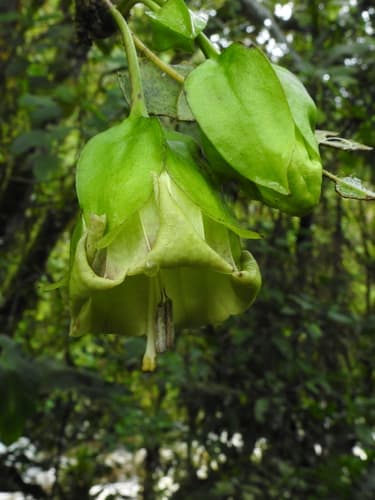
Solandra longiflora is a robust, woody climbing vine known for its very large, showy, trumpet-shaped flowers. The flowers typically open creamy white and mature to a golden yellow, featuring prominent purple-brown stripes within their throats.