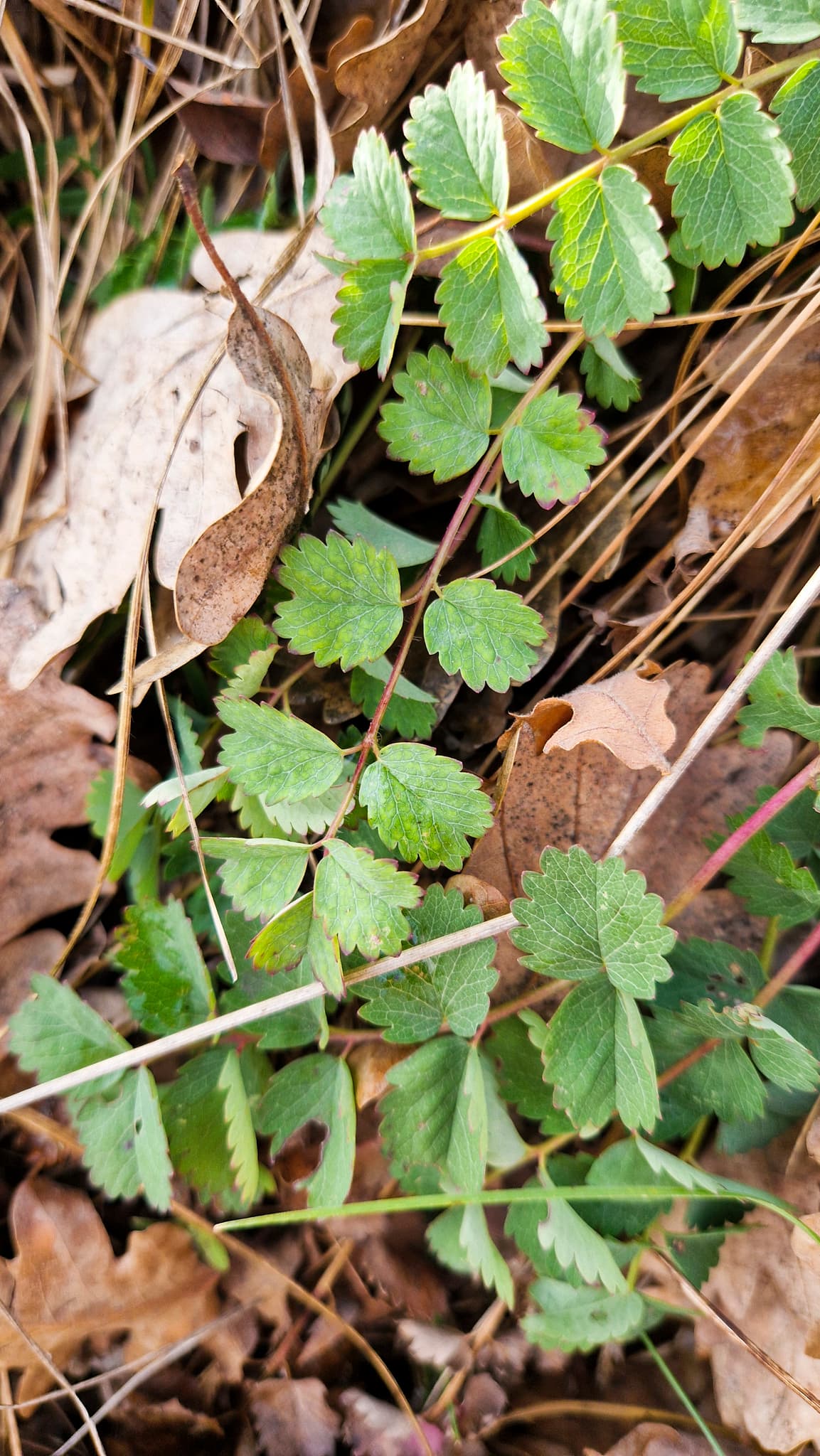
Burnet
Image: Martin A. Prinz (cc-by-nc)
NameBurnet
Scientific NameSanguisorba minor
Common NamesSalad Burnet, Small Burnet, Garden Burnet, Pimpernel
Plant FamilyRosaceae
Natural HabitatNative to Europe, North Africa, and Western Asia, it thrives in dry, grassy places, meadows, pastures, and chalky grasslands. It prefers well-drained, often calcareous soils and full sun.
Parts Usedleaf,root
Medicinal Actionsastringent, anti-inflammatory, antioxidant
Traditional UsesTraditionally, Burnet has been used internally to treat diarrhea, dysentery, and internal hemorrhages due to its strong astringent properties. Externally, it was applied as a poultice or wash for wounds, burns, and skin inflammations to promote healing and reduce bleeding.
Active ConstituentsTannins, Flavonoids, Triterpenoid saponins, Vitamin C
Preparation Methodsinfusion, decoction, poultice, powder
Contraindications & WarningsGenerally considered safe, but high doses may cause stomach upset due to tannin content. Pregnant and breastfeeding women should consult a healthcare professional. Individuals with iron-deficiency anemia should use with caution as tannins can inhibit iron absorption.
Cultivation NotesBurnet is easy to grow from seed in well-drained soil and full sun. It is drought-tolerant once established and can be harvested regularly for its leaves. It readily self-seeds and can be grown as a perennial herb or groundcover.
Raritycommon
Description
Sanguisorba minor is a perennial herbaceous plant characterized by its basal rosette of pinnate leaves, each composed of numerous small, oval to round, deeply serrated leaflets. It typically grows to about 30-90 cm tall, producing small, reddish-green, spherical flower heads on slender stems.