Desert Tobacco
NameDesert Tobacco
Scientific NameNicotiana attenuata
Common NamesDesert Tobacco, Coyote Tobacco, Wild Tobacco
Plant FamilySolanaceae
Natural HabitatNative to arid and semi-arid regions of western North America, commonly found in deserts, disturbed soils, roadsides, and open woodlands. It often colonizes areas after wildfires.
Parts Usedleaf,flower,whole_plant
Medicinal Actionsanalgesic, antimicrobial, anti-inflammatory, sedative
Traditional UsesTraditionally used by various Native American tribes for ceremonial smoking, as a potent analgesic for pain relief (e.g., toothaches, earaches), and as a poultice for wounds, sores, and insect bites due to its antiseptic properties. It was also used for its psychoactive effects.
Active ConstituentsNicotine, Anabasine, Nornicotine, Rutin, Chlorogenic acid
Preparation Methodsinfusion, poultice, powder
Contraindications & WarningsHighly toxic if ingested due to high nicotine content, which can cause nausea, vomiting, dizziness, and severe cardiac effects. Not recommended for internal use. Avoid during pregnancy, lactation, and in individuals with heart conditions or those taking central nervous system medications.
Cultivation NotesGrows best in full sun and well-drained, often disturbed soils. It is drought-tolerant once established and can be propagated easily from seed. Requires minimal care in suitable arid environments.
Raritycommon
Description
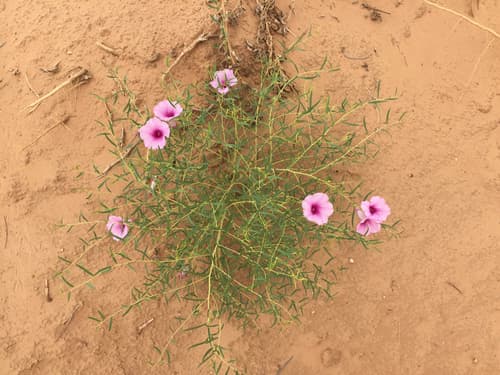
A sticky, glandular annual herb growing up to 1 meter tall, characterized by lance-shaped leaves and pale yellow to white trumpet-shaped flowers. The entire plant is covered in fine, often sticky hairs, giving it a distinctive feel.