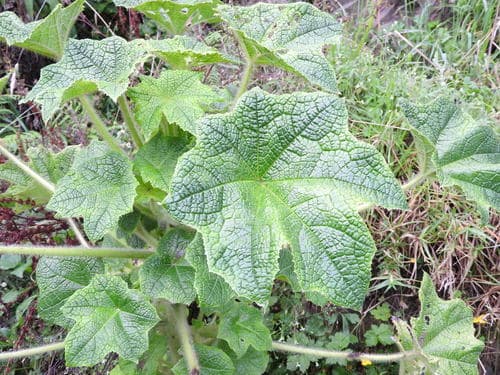
Nasa tabularis
NameNasa tabularis
Scientific NameNasa tabularis
Common NamesOrtiga brava, Pega Pega
Plant FamilyLoasaceae
Natural HabitatNative to the Andean regions of South America, particularly Peru and Bolivia, growing in humid, montane environments, often in disturbed areas or forest edges.
Parts Usedleaf,whole_plant
Medicinal Actionsanti-inflammatory, analgesic
Traditional UsesTraditionally used as a counter-irritant for rheumatic pain, arthritis, and localized inflammation. The leaves are often applied topically as poultices to draw out pain or reduce swelling, utilizing their stinging properties to create a rubefacient effect.
Active Constituentshistamine, acetylcholine, serotonin, flavonoids, phenolic compounds
Preparation Methodspoultice, infusion
Contraindications & WarningsDirect skin contact with fresh leaves causes stinging and irritation; avoid contact with eyes and mucous membranes. Not recommended for internal use without expert guidance due to potential gastrointestinal irritation. Pregnant or nursing women and individuals with sensitive skin should avoid use.
Cultivation NotesPrefers cool, humid climates and well-drained soil. Can be challenging to cultivate outside its native Andean habitat and requires protection from frost.
Rarityuncommon
Description
Nasa tabularis is a herbaceous perennial plant characterized by large, deeply veined, rugose (wrinkled) leaves that are often lobed or palmate. The plant is typically covered in stinging hairs (glochids) which can cause irritation upon contact.