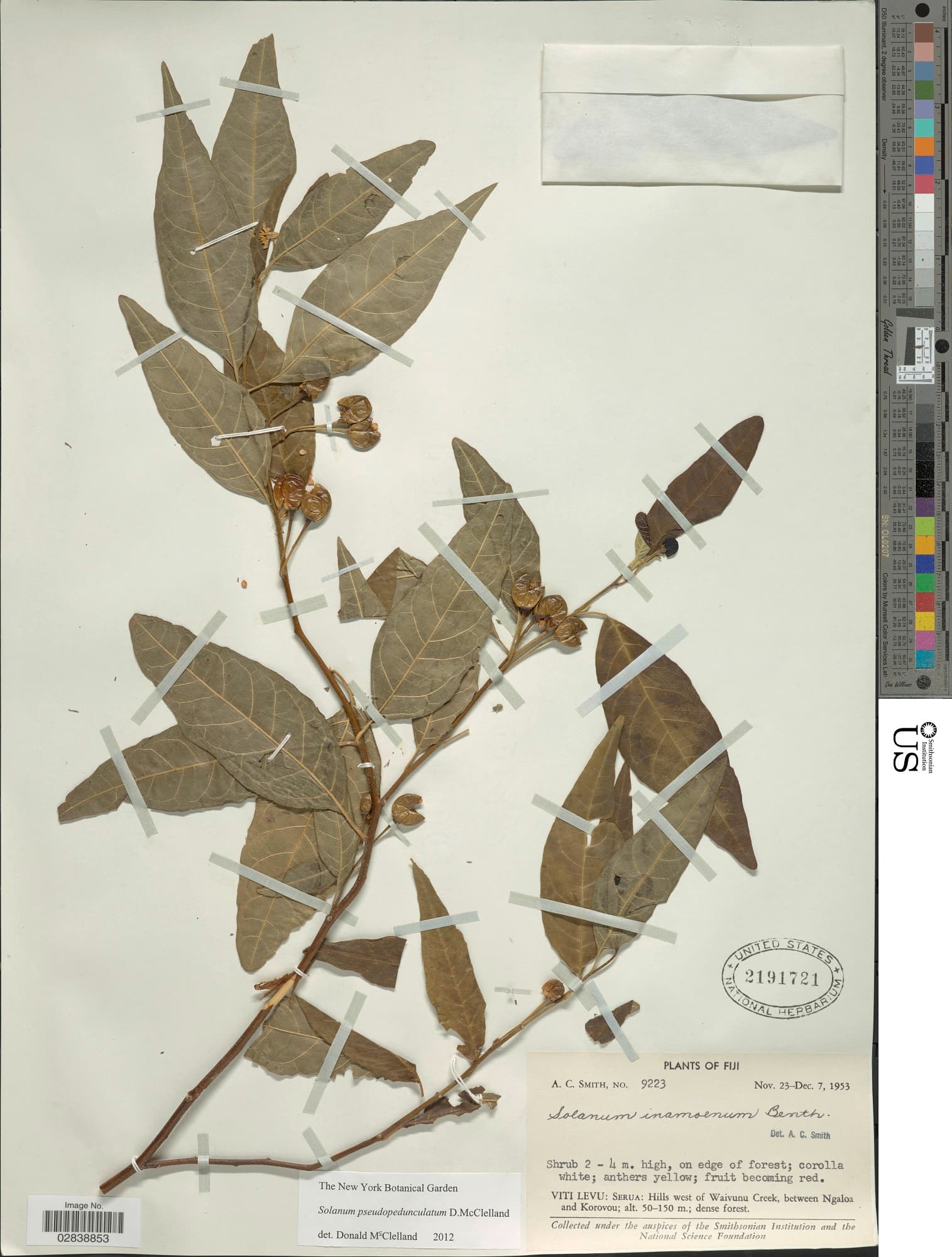
Aztec Tobacco
NameAztec Tobacco
Scientific NameNicotiana rustica
Common NamesAztec Tobacco, Wild Tobacco, Mapacho, Turkish Tobacco
Plant FamilySolanaceae
Natural HabitatNative to the Americas, it thrives in disturbed soils, open fields, and along roadsides, preferring full sun and well-drained soil. It is now widely cultivated and naturalized in many parts of the world.
Parts Usedleaf,flower,seed
Medicinal Actionsanalgesic, antimicrobial, nervine
Traditional UsesTraditionally, Aztec Tobacco was used by indigenous peoples of the Americas for ceremonial and spiritual purposes, often as a powerful entheogen. Topically, it was applied as a poultice for pain relief, wound healing, and as an insecticide. It was also smoked or snuffed for its stimulating and psychoactive effects in ritualistic contexts.
Active ConstituentsNicotine, Nornicotine, Anabasine, Myosmine, Anatabine, Beta-carbolines
Preparation Methodsinfusion, poultice, powder
Contraindications & WarningsHighly toxic due to its high nicotine content; internal use is not recommended and can cause severe poisoning, including nausea, vomiting, dizziness, tremors, seizures, and death. Contraindicated in pregnancy, lactation, heart conditions, hypertension, and by individuals sensitive to nicotine. Interacts with numerous medications.
Cultivation NotesThis plant is easy to grow from seed in full sun and well-drained soil. It requires regular watering and can tolerate various soil types. For traditional uses, leaves are typically harvested before flowering for optimal alkaloid content.
Raritycommon
Description
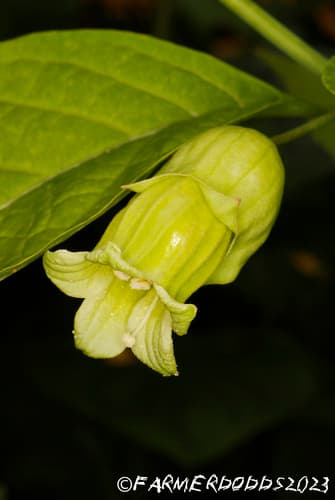
Nicotiana rustica is an annual herbaceous plant growing up to 1-2 meters tall, characterized by its large, broad, light green leaves. It produces clusters of small, greenish-yellow, trumpet-shaped flowers arranged in a terminal inflorescence.