Jaborosa runcinata
NameJaborosa runcinata
Scientific NameJaborosa runcinata
Common NamesJaborosa, White Jaborosa, Tabaco del diablo
Plant FamilySolanaceae
Natural HabitatNative to South America, particularly Argentina, Uruguay, and southern Brazil. It thrives in grasslands, pastures, disturbed areas, roadsides, and rocky or sandy soils, often found in full sun.
Parts Usedroot
Medicinal Actionsanalgesic, anti-inflammatory, sedative
Traditional UsesTraditionally, the root has been used by indigenous communities for its analgesic and anti-inflammatory properties, particularly for rheumatic pain, toothaches, and other localized pains. It has also been employed as a sedative.
Active ConstituentsTropane alkaloids, hyoscyamine, scopolamine, atropine, flavonoids, saponins
Preparation Methodsdecoction, tincture, poultice
Contraindications & WarningsDue to the presence of potent tropane alkaloids, Jaborosa runcinata is highly toxic if ingested in large quantities. Contraindications include pregnancy, breastfeeding, glaucoma, prostatic hypertrophy, heart conditions, and concurrent use with other anticholinergic medications. Use only under expert supervision due to its toxicity.
Cultivation NotesThis hardy perennial prefers full sun to partial shade and well-drained soil, tolerating a range of soil types including sandy or rocky. It is drought-tolerant once established and can be propagated by seed or division of its rhizomatous rootstock.
Raritycommon
Description
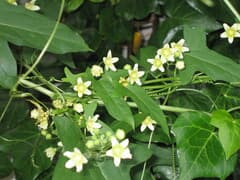
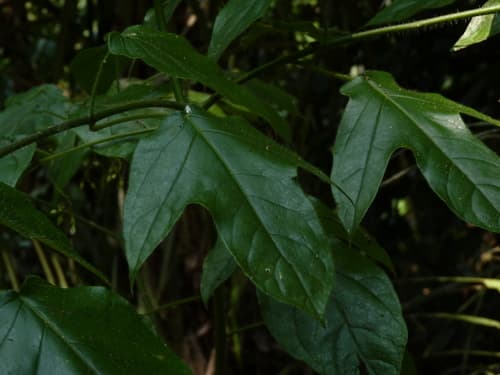
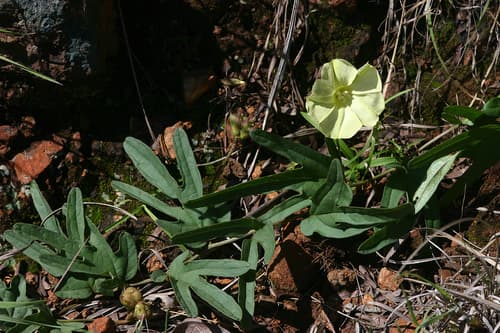
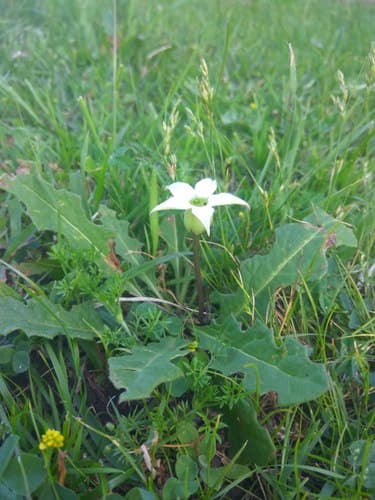
A perennial herbaceous plant characterized by a basal rosette of deeply lobed, runcinate leaves. It produces solitary, star-shaped white flowers with a greenish throat, typically emerging from the center of the rosette on short stalks.