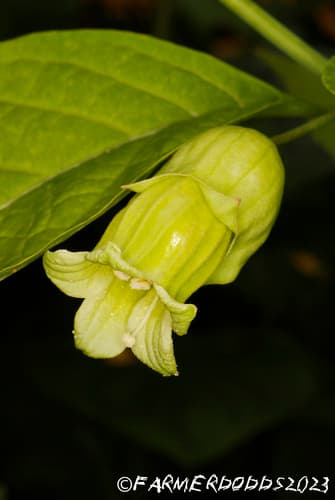
Atropanthe sinensis
NameAtropanthe sinensis
Scientific NameAtropanthe sinensis
Common NamesChinese Belladonna, Chinese Atropanthe
Plant FamilySolanaceae
Natural HabitatThis plant is found in forests, thickets, and along roadsides in the mountainous regions of central and western China, typically growing at elevations between 1000 and 2500 meters.
Parts Usedroot,whole_plant
Medicinal Actionsanalgesic, sedative
Traditional UsesIn traditional Chinese medicine, the roots (known as Shan Lang Dang) have been historically used for severe pain relief, to stop spasms, and to treat conditions such as stomach pain, colic, and asthma. Due to its extreme toxicity, its use is highly restricted and requires expert medical supervision, primarily for its potent anticholinergic effects.
Active Constituentsatropine, scopolamine, anisodamine, anisodine
Preparation Methodsdecoction, powder
Contraindications & WarningsExtremely toxic; contraindicated in glaucoma, prostatic hypertrophy, heart conditions, and gastrointestinal obstruction. Can cause severe anticholinergic poisoning including dry mouth, blurred vision, dilated pupils, fever, hallucinations, delirium, tachycardia, coma, and death. Absolutely not for self-medication.
Cultivation NotesPrefers moist, well-drained soil and partial shade, hardy in temperate zones. It can be propagated by seed or root division, but requires extreme caution due to its highly toxic nature.
Rarityuncommon
Description
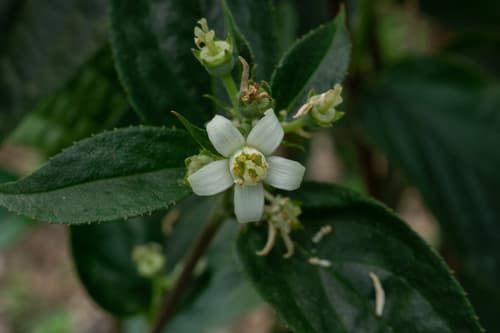
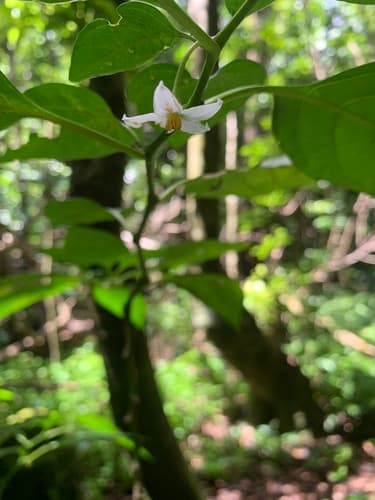
Atropanthe sinensis is a perennial herb native to China, characterized by its large, ovate leaves and solitary, pendulous, bell-shaped, pale yellowish-green flowers. The tubular corolla flares slightly at the mouth, revealing prominent stamens, indicative of its nightshade family affiliation.