Solomon's Seal
NameSolomon's Seal
Scientific NamePolygonatum multiflorum
Common NamesSolomon's Seal, Common Solomon's Seal, European Solomon's Seal
Plant FamilyAsparagaceae
Natural HabitatNative to temperate regions of Europe and Asia, it thrives in deciduous woodlands, shady slopes, and forest edges, preferring moist, humus-rich soil.
Parts Usedroot
Medicinal Actionsdemulcent, anti-inflammatory, astringent
Traditional UsesTraditionally used for musculoskeletal issues, including sprains, bruises, joint pain, and broken bones, often applied externally as a poultice. Internally, it was used as a demulcent for irritated tissues and for lung complaints.
Active Constituentssaponins, mucilage, flavonoids
Preparation Methodsdecoction, tincture, poultice, powder
Contraindications & WarningsNot recommended during pregnancy or lactation. Berries are toxic and should not be ingested. Large internal doses of the root may cause gastrointestinal upset.
Cultivation NotesPrefers partial to full shade and moist, well-drained, humus-rich soil. It spreads slowly by rhizomes and is a low-maintenance plant suitable for woodland gardens.
Raritycommon
Description
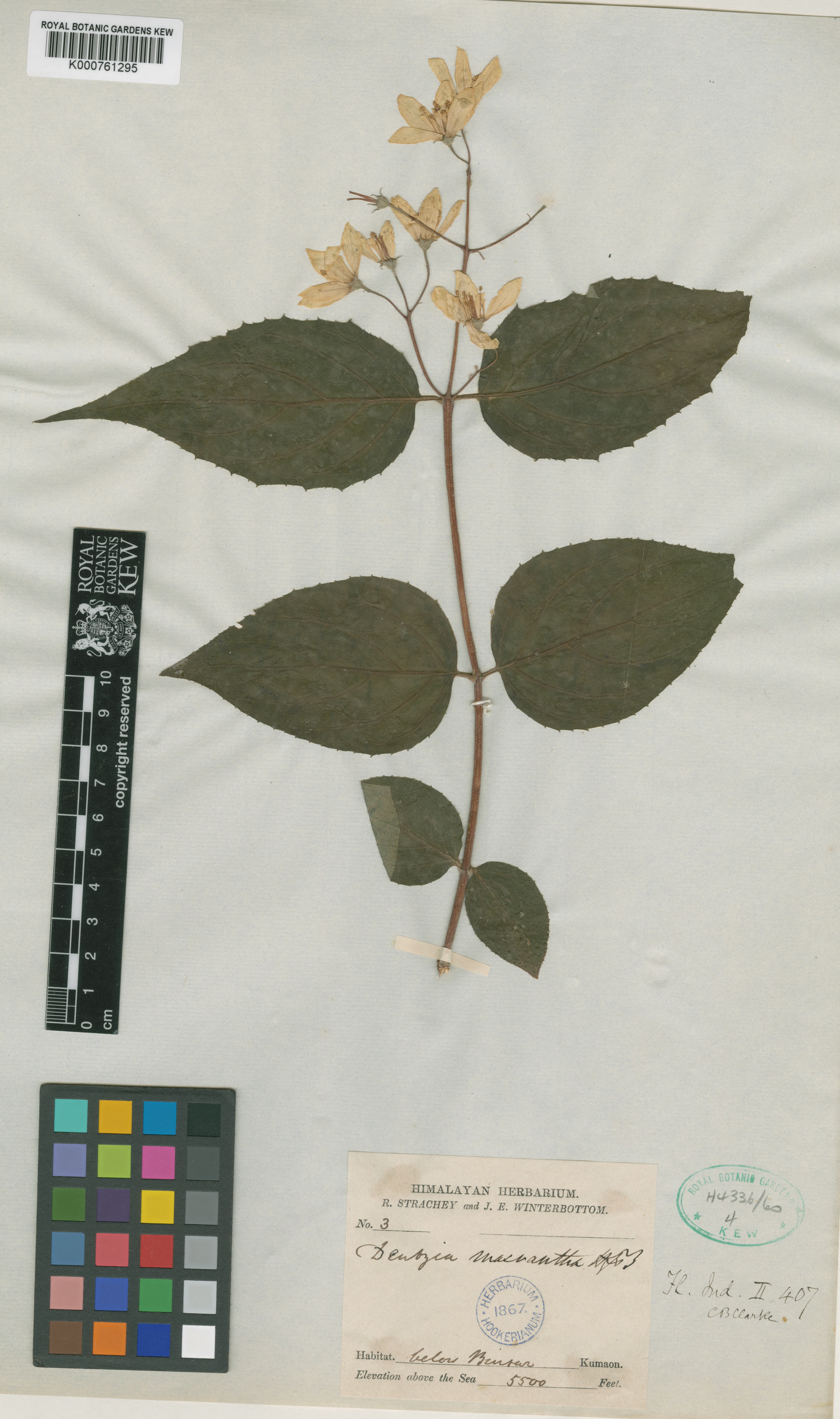
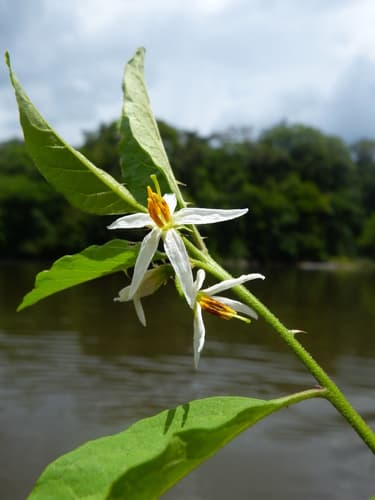
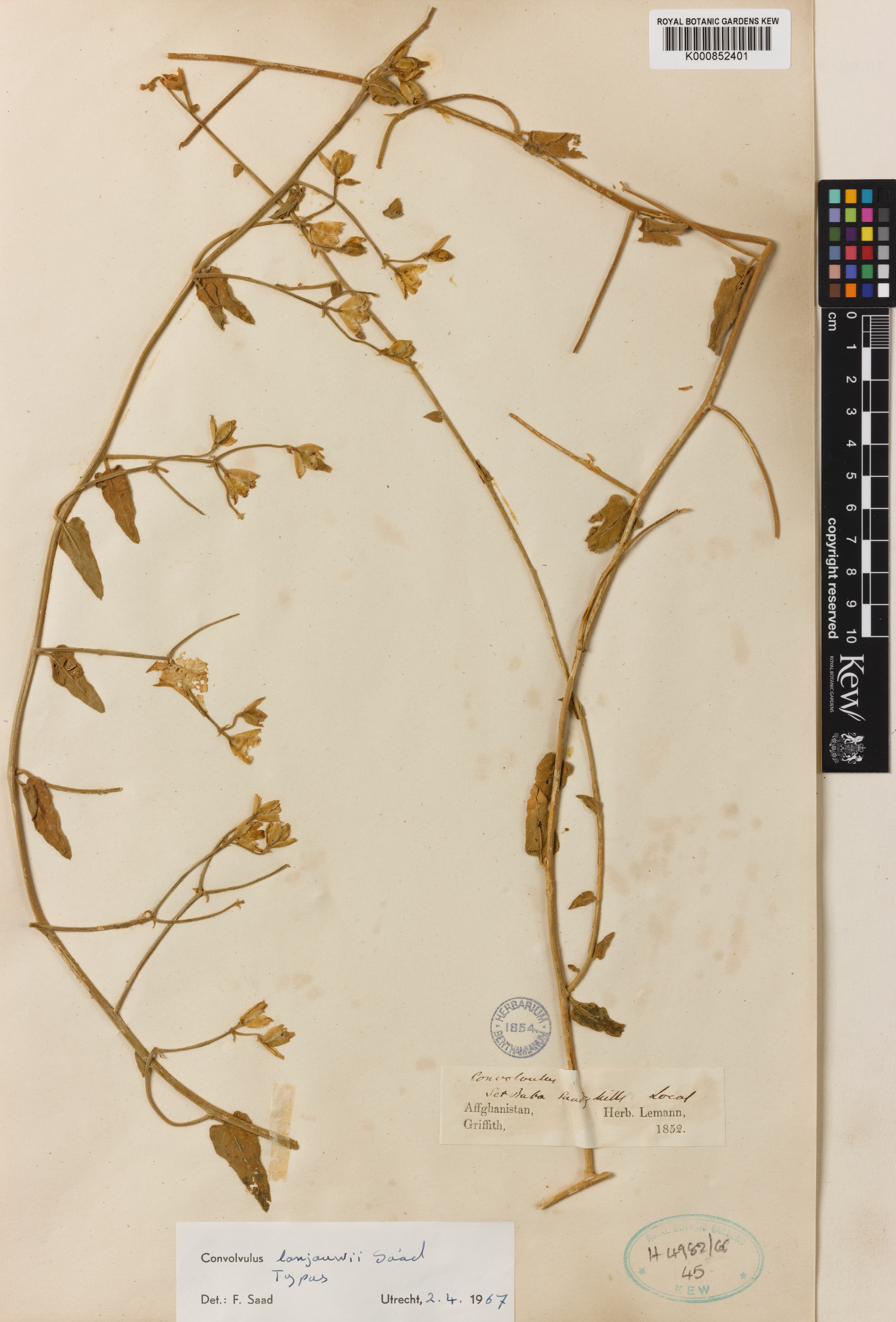
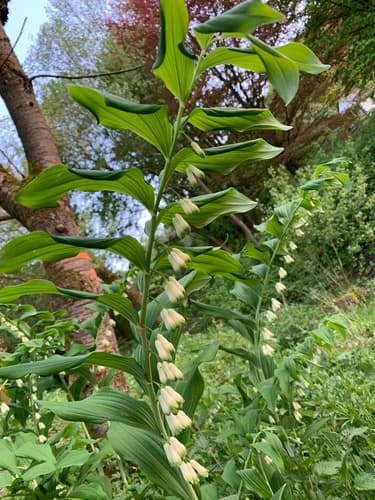
This perennial herb features arching stems with alternate, broadly ovate leaves arranged in two rows. Bell-shaped, greenish-white flowers hang in clusters from the leaf axils along the underside of the stem.