Asafoetida
NameAsafoetida
Scientific NameFerula assa-foetida
Common NamesAsafoetida, Devil's Dung, Food of the Gods, Hing
Plant FamilyApiaceae
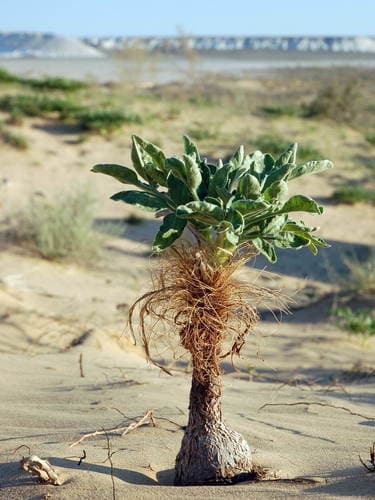
Natural HabitatNative to the arid and semi-arid regions of Afghanistan, Iran, and Central Asia, it thrives in dry, sandy, and stony soils. It is often found in mountainous steppes and desert environments.
Parts Usedroot
Medicinal Actionscarminative, expectorant, antimicrobial, anti-inflammatory, antioxidant
Traditional UsesTraditionally used as a digestive aid to alleviate flatulence, bloating, and indigestion, often incorporated into cooking to reduce gas-producing effects of legumes. It is also employed for respiratory conditions like asthma and bronchitis, as an antispasmodic for nervous disorders, and as a general stimulant. In some cultures, it is used as a culinary spice and a folk remedy for various ailments.
Active ConstituentsFerulic acid, umbelliferone, volatile sulfur compounds, coumarins
Preparation Methodspowder, tincture, infusion
Contraindications & WarningsShould be avoided by pregnant women due to potential abortifacient effects. Individuals with bleeding disorders or those on anticoagulant medications should use with caution due to possible antiplatelet activity. High doses may cause gastrointestinal upset, swelling of the lips, or burping.
Cultivation NotesRequires a hot, dry climate with well-drained, sandy or stony soil. It is a slow-growing perennial that takes several years to mature before the oleo-gum-resin can be harvested by making incisions into the taproot.
Raritycommon
Description
Ferula assa-foetida is a perennial herbaceous plant characterized by a large, fleshy taproot and a rosette of deeply dissected, hairy leaves. It produces a tall, hollow stem that can reach up to 2 meters, topped with yellow flowers arranged in compound umbels. The plant is most notable for the pungent, sulfurous odor of its resin.