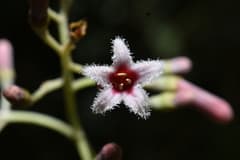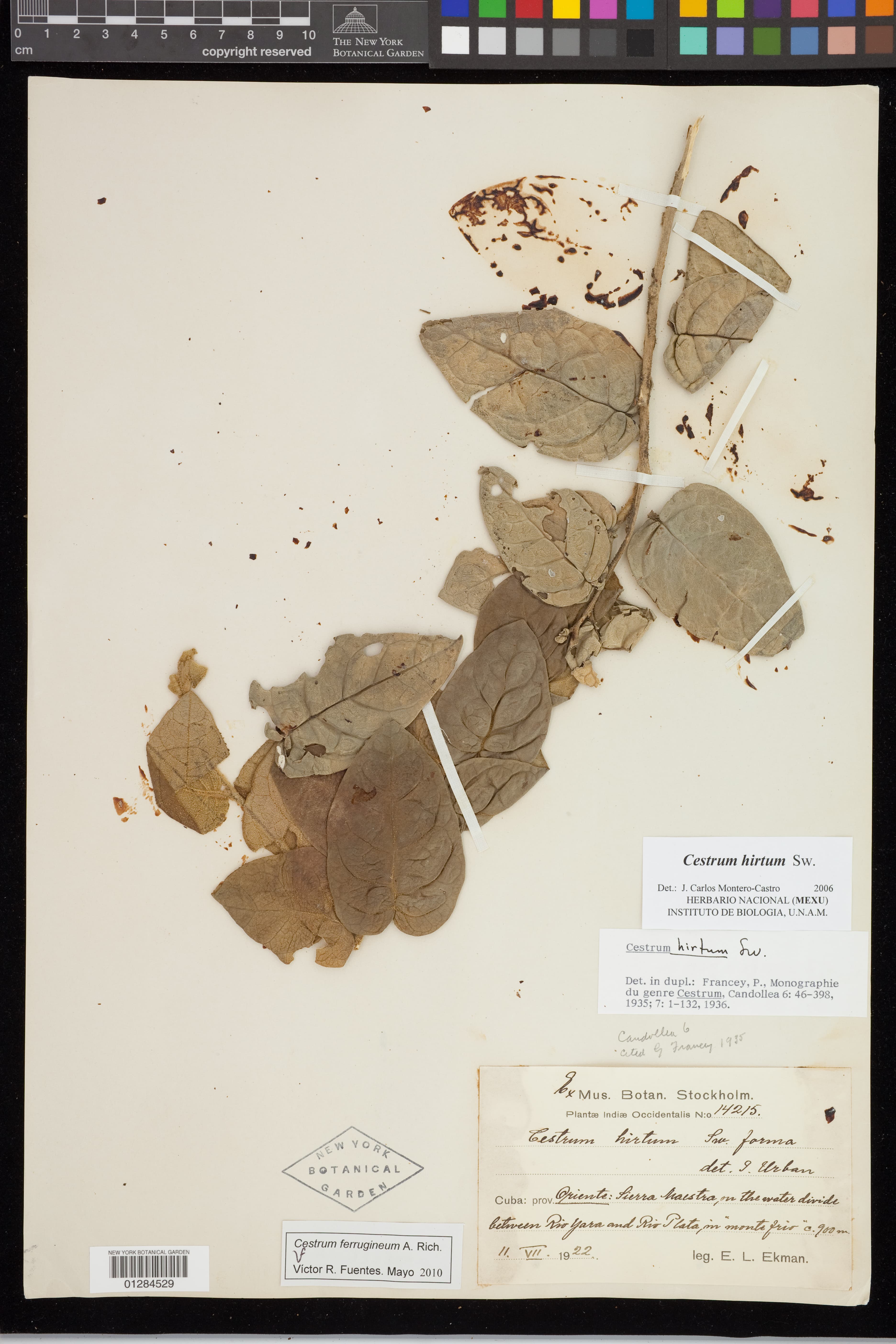
Cestrum ferrugineum
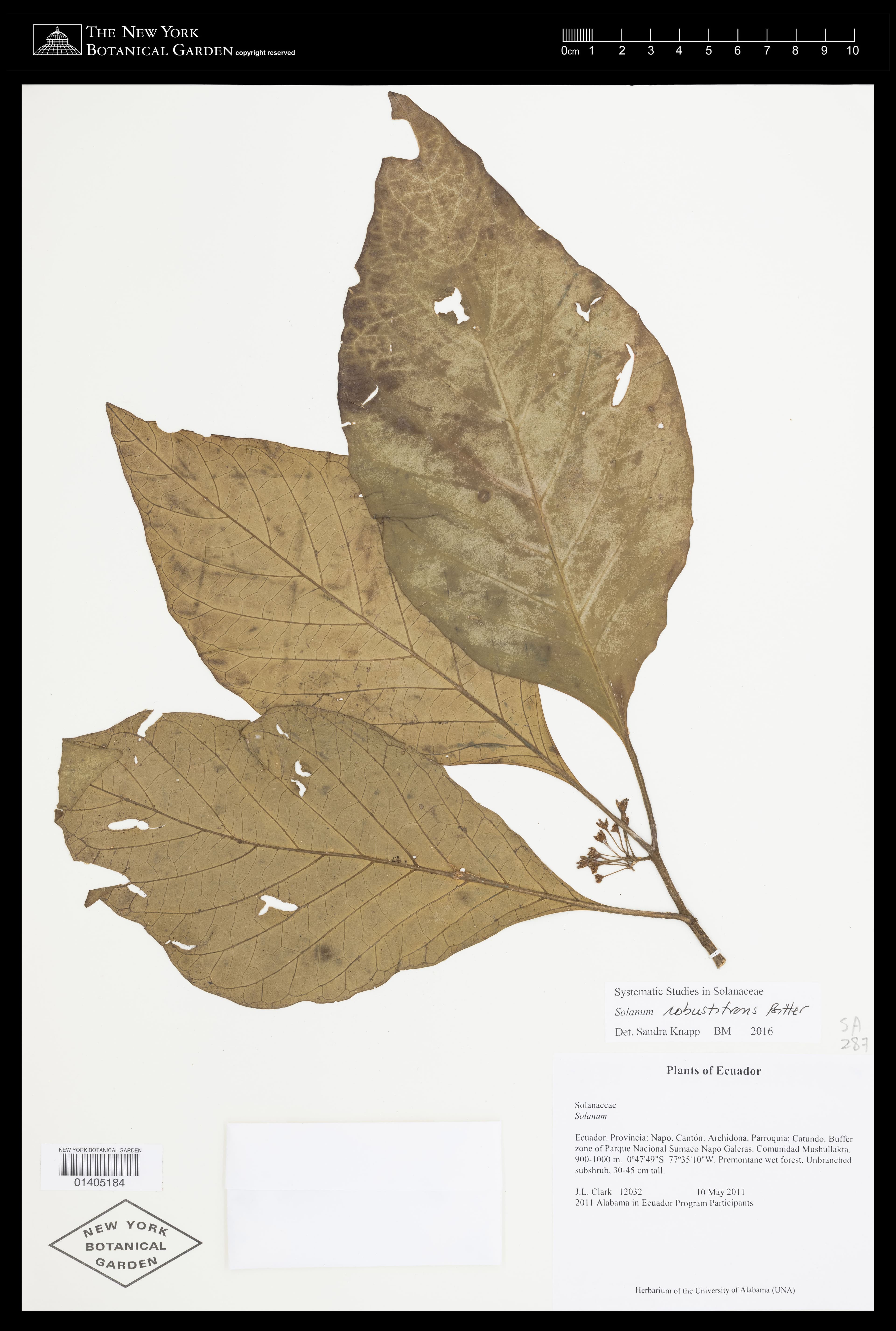
Image: The New York Botanical Garden (cc-by)
NameCestrum ferrugineum
Scientific NameCestrum ferrugineum A.Rich.
Plant FamilySolanaceae
Natural HabitatEndemic to mountainous regions of Cuba, such as the Sierra Maestra, typically found in humid forests or along water divides at elevations around 900 meters.
Parts Usedleaf,bark
Medicinal Actionsanalgesic, anti-inflammatory
Traditional UsesLimited specific traditional medicinal uses are documented for Cestrum ferrugineum. Other species within the Cestrum genus have been traditionally used externally for pain and inflammation, or internally as purgatives, but always with extreme caution due to high toxicity.
Active Constituentssteroidal glycoalkaloids, saponins
Preparation Methodsinfusion, decoction, poultice
Contraindications & WarningsAll parts of Cestrum ferrugineum are considered highly toxic due to the presence of steroidal glycoalkaloids. Ingestion can cause severe gastrointestinal upset, neurological symptoms (tremors, convulsions), and cardiac issues. It is not recommended for internal use without expert medical supervision. Avoid during pregnancy, lactation, and in children.
Cultivation NotesRequires a tropical or subtropical climate with high humidity and well-drained soil. Not commonly cultivated outside its native range.
Rarityuncommon
Description
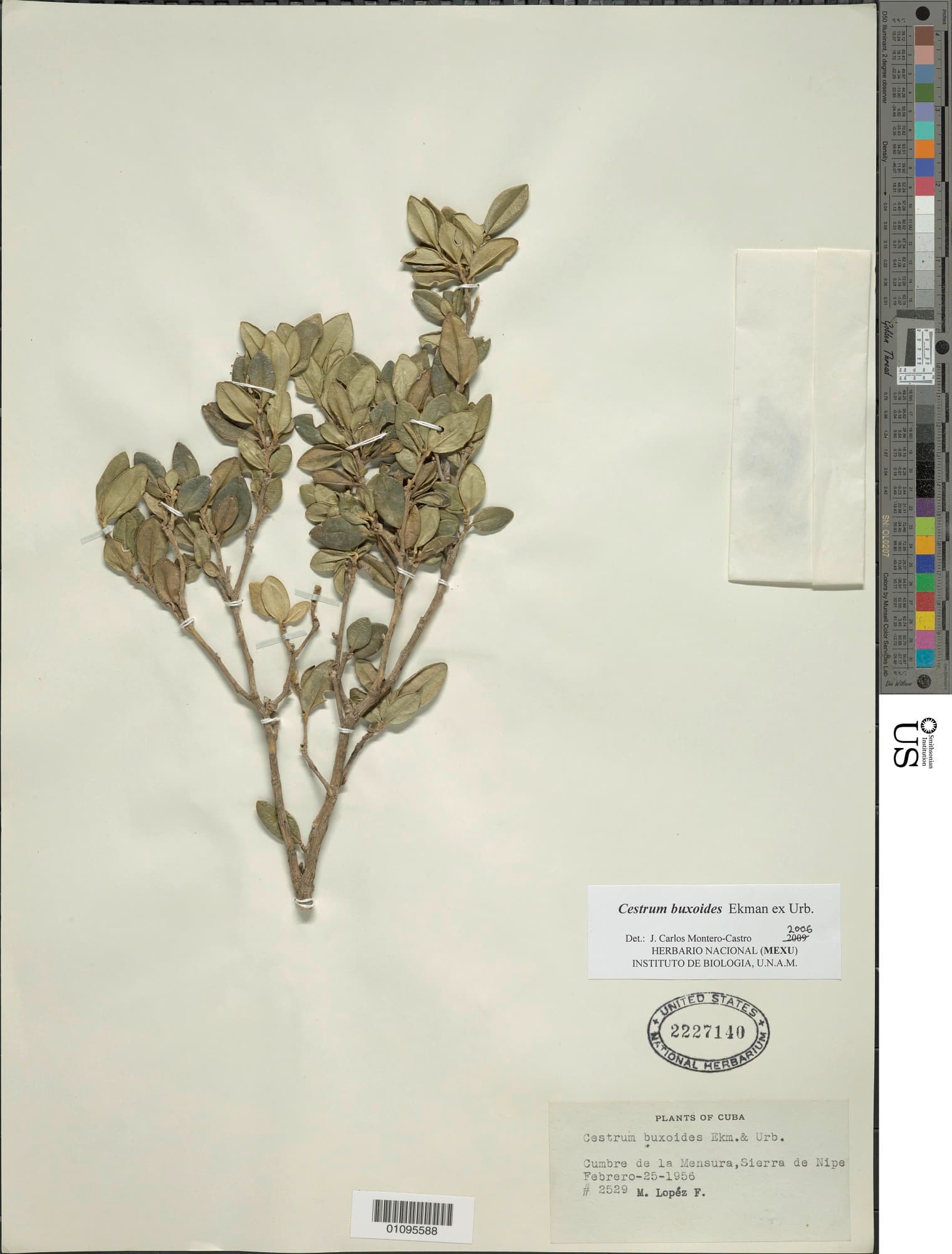
A shrub or small tree native to Cuba, characterized by alternate, simple, ovate to elliptic leaves, often with some pubescence. It produces tubular flowers and berries. The specimen shows dried leaves and woody stems.