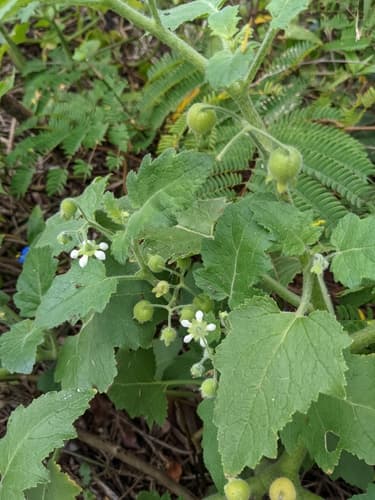
Aosa parviflora
NameAosa parviflora
Scientific NameAosa parviflora
Common NamesWild Tomato Relative
Plant FamilySolanaceae
Natural HabitatNative to the Andes region of South America, it thrives in disturbed areas, forest edges, and agricultural fields, often found at moderate to high elevations.
Parts Usedleaf,fruit
Medicinal Actionsantioxidant
Traditional UsesSpecific traditional medicinal uses for Aosa parviflora are not widely documented in ethnobotanical literature. Some related Jaltomata species have edible fruits, but distinct medicinal applications for this particular species are not well-recorded.
Active Constituentsalkaloids, flavonoids, phenolic compounds
Preparation Methodsinfusion, powder
Contraindications & WarningsAs a member of the Solanaceae family, many species contain potent alkaloids that can be toxic if consumed improperly or in large quantities. Caution is advised, especially with internal use, due to potential toxicity. Pregnant or nursing women and individuals with pre-existing conditions should avoid use.
Cultivation NotesThis plant prefers full sun to partial shade and well-drained soil. It is adapted to tropical and subtropical climates, often growing as a weed in disturbed areas, indicating it can be quite robust and adaptable.
Raritycommon
Description
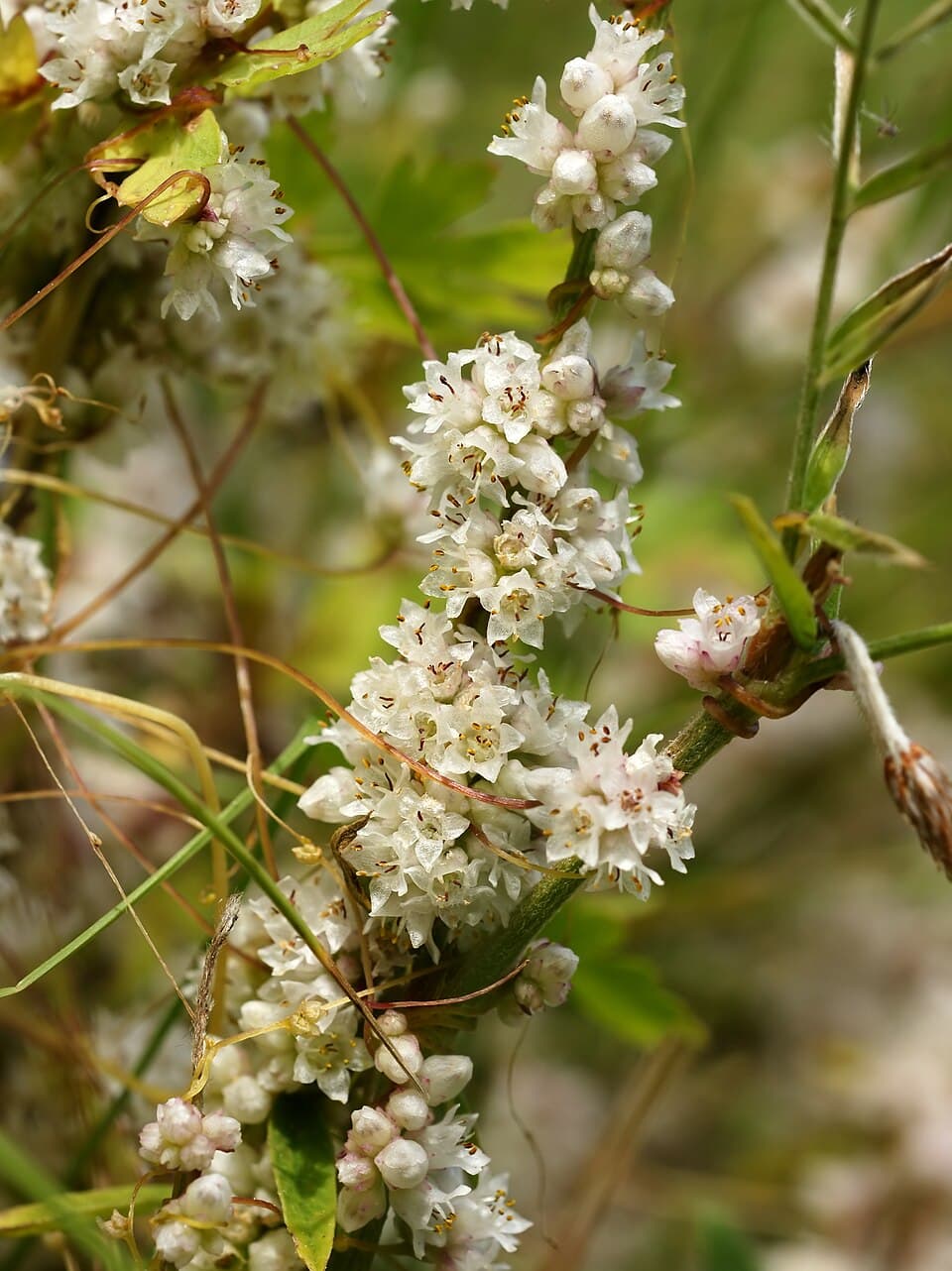
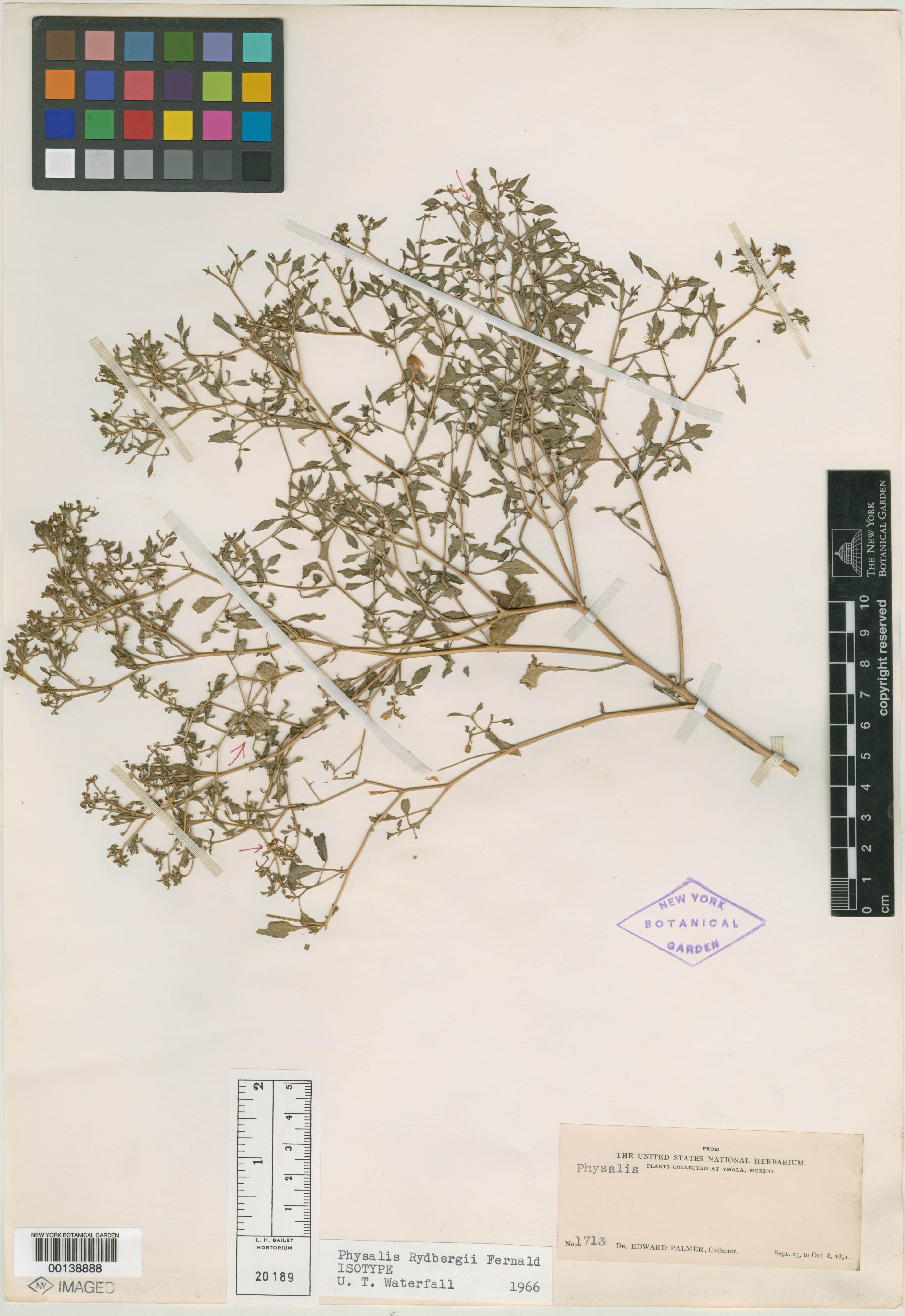
A herbaceous perennial plant characterized by its ovate to lanceolate, often somewhat lobed leaves with serrated margins. It produces small, star-shaped white or greenish-white flowers, followed by small, berry-like fruits that are typically enclosed by an accrescent, persistent calyx.