Cuscuta abyssinica
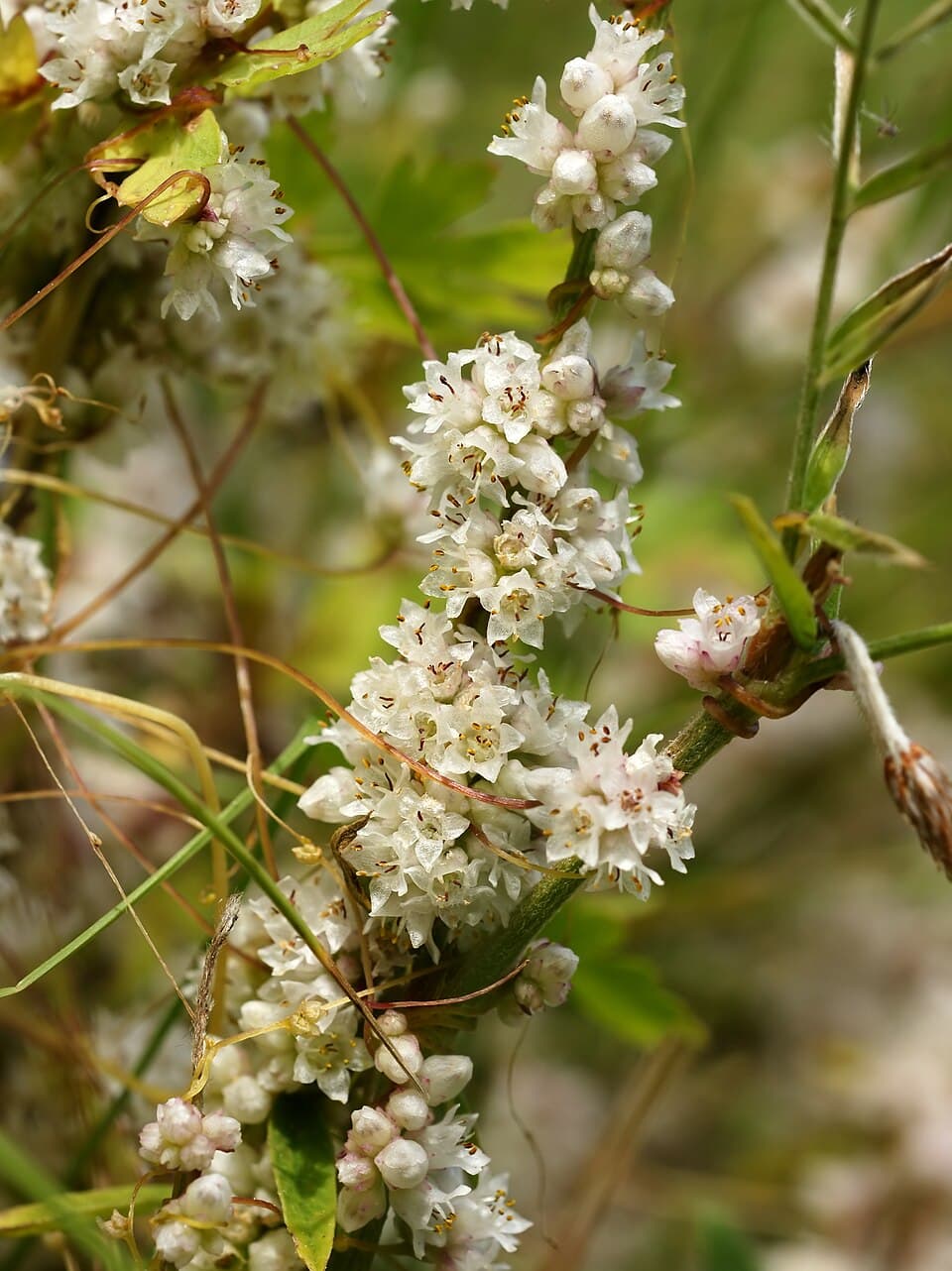
Image: Meise Botanic Garden (cc-by)
NameCuscuta abyssinica
Scientific NameCuscuta abyssinica
Common NamesDodder
Plant FamilyConvolvulaceae
Natural HabitatFound in moist, riparian habitats such as marshy stream banks, typically at altitudes around 2000m in its native range.
Parts Usedwhole_plant,seed
Medicinal Actionsantioxidant, anti-inflammatory, adaptogen, diuretic
Traditional UsesWhile specific traditional uses for Cuscuta abyssinica are not widely documented, other Cuscuta species (like C. chinensis) are traditionally used in various herbal medicine systems to tonify kidney yang, benefit the liver, improve vision, and treat conditions such as impotence, premature ejaculation, frequent urination, and lower back pain. These uses are often attributed to the seeds.
Active Constituentsflavonoids, lignans, polysaccharides, coumarins
Preparation Methodsinfusion, decoction, powder, tincture
Contraindications & WarningsGenerally contraindicated in pregnancy and lactation. In traditional systems, it may be avoided by individuals with yin deficiency with heat signs or excessive urination without deficiency. Potential for interactions with other medications due to its active compounds.
Cultivation NotesAs an obligate parasitic plant, Cuscuta abyssinica is not typically cultivated in a conventional garden setting. It requires a suitable host plant to germinate and establish, drawing all its nutrients from the host.
Raritycommon
Description
Cuscuta abyssinica is an obligate parasitic plant characterized by its thread-like, leafless stems that twine around host plants, drawing nutrients via haustoria. It produces small white flowers and is known to parasitize various species, including Vernonia and Impatiens.