Alternate-leaved Dogwood
NameAlternate-leaved Dogwood
Scientific NameCornus alternifolia
Common NamesAlternate-leaved Dogwood, Pagoda Dogwood, Green Osier, Blue Dogwood
Plant FamilyCornaceae
Natural HabitatNative to eastern North America, typically found in moist woodlands, forest edges, stream banks, and ravines. It prefers partial shade to full sun and well-drained, acidic to neutral soils.
Parts Usedbark
Medicinal Actionsastringent, anti-inflammatory, antimicrobial
Traditional UsesTraditionally, the bark, especially the root bark, was used by Native Americans and early settlers as a bitter tonic, astringent, and febrifuge. It was employed to treat fevers, malaria, diarrhea, and as a general tonic.
Active Constituentstannins, iridoids, flavonoids
Preparation Methodsdecoction, tincture, powder
Contraindications & WarningsDue to its astringent properties, excessive use might cause stomach upset or constipation. Pregnant or breastfeeding women should consult a healthcare professional before use.
Cultivation NotesPrefers moist, well-drained, acidic to neutral soil and partial shade, though it can tolerate full sun with adequate moisture. It is relatively low-maintenance and provides good wildlife value.
Raritycommon
Description
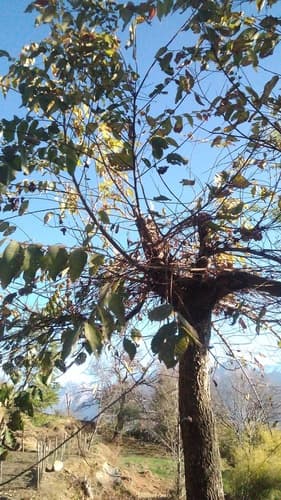
A small deciduous tree or large shrub, distinctive for its alternate leaf arrangement and horizontal, tiered branching. It produces clusters of small, creamy white flowers in late spring, followed by dark blue berries on red pedicels.