Himalayan elm
NameHimalayan elm
Scientific NameUlmus wallichiana
Common NamesHimalayan elm, Indian elm
Plant FamilyUlmaceae
Natural HabitatNative to the Himalayan region, it thrives in moist temperate forests, river valleys, and mountain slopes, typically found at elevations ranging from 800 to 3000 meters.
Parts Usedbark,leaf
Medicinal Actionsdemulcent, anti-inflammatory, astringent
Traditional UsesTraditionally, the bark of Himalayan elm has been used in Ayurvedic and local folk medicine for its demulcent and anti-inflammatory properties. It is often employed to soothe irritations of the digestive tract, treat various skin conditions, and reduce general inflammation.
Active ConstituentsMucilage, Tannins, Flavonoids
Preparation Methodsdecoction, powder, poultice
Contraindications & WarningsGenerally considered safe, but large doses may interfere with the absorption of other medications due to its high mucilage content. Pregnant or nursing women should consult a healthcare professional before use.
Cultivation NotesThis tree prefers well-drained, fertile soil and can grow in full sun to partial shade. It is a hardy species, tolerant of various soil types but thrives best in moist conditions. Propagation can be achieved through seeds or cuttings.
Rarityuncommon
Description
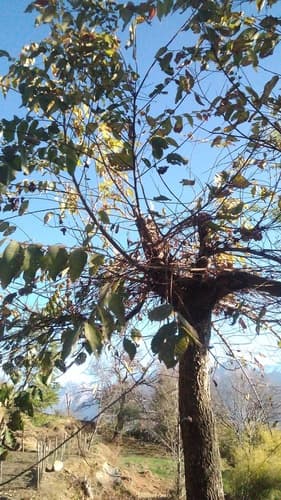
Ulmus wallichiana is a large, deciduous tree native to the Himalayas, typically growing up to 30 meters tall. It features a broad crown, rough fissured bark, and ovate-elliptic leaves with distinctly serrated margins.