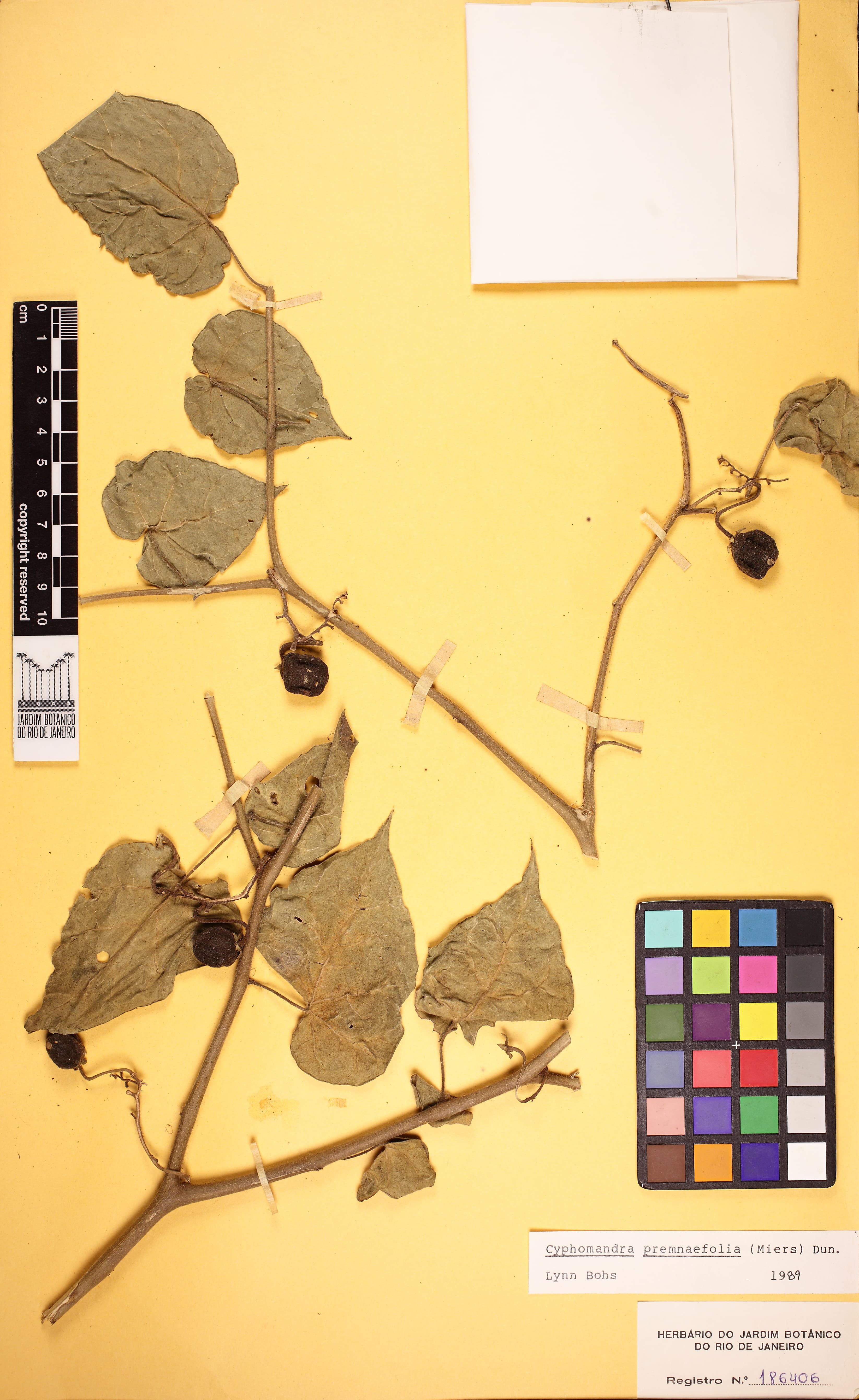
Solanum premnifolium
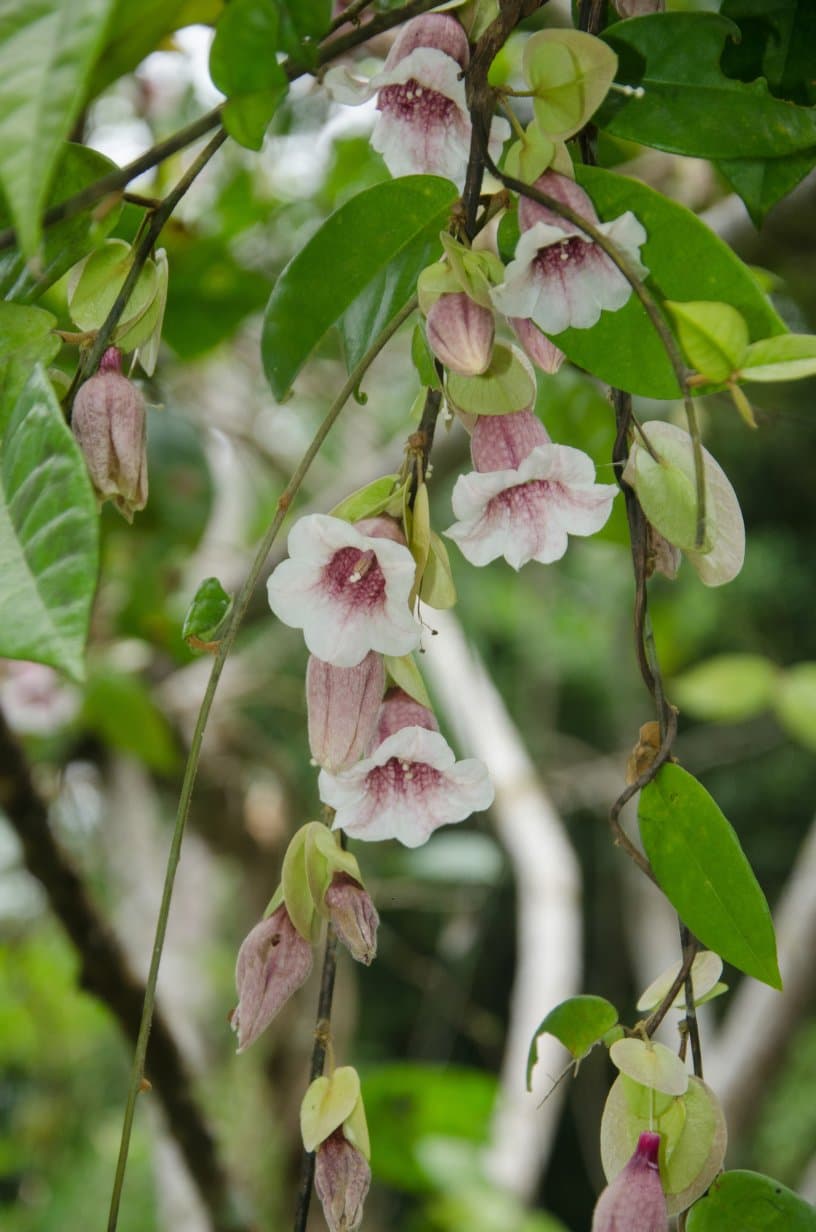
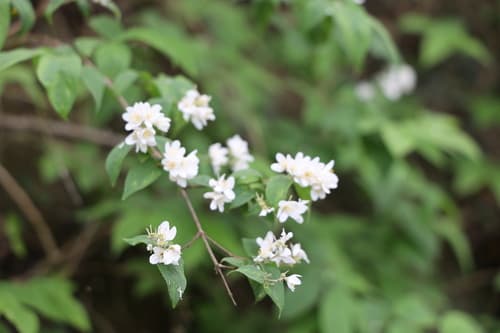
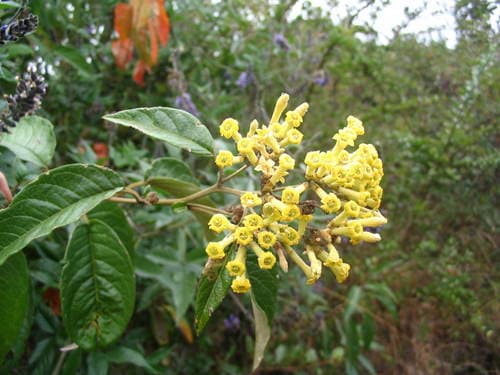
Image: G. Martinelli; et alii (cc-by)
NameSolanum premnifolium
Scientific NameSolanum premnifolium (Miers) Bohs
Plant FamilySolanaceae
Natural HabitatNative to South America, particularly the Andean regions, where it is found in montane forests, cloud forests, and disturbed areas at elevations generally between 1000 and 3000 meters.
Parts Usedfruit,leaf
Traditional UsesWhile fruits of some closely related Solanum species (formerly Cyphomandra) are consumed for food, specific traditional medicinal uses for Solanum premnifolium are not widely documented in ethnobotanical literature.
Active Constituentssteroidal glycoalkaloids, flavonoids
Contraindications & WarningsAs with many species in the Solanum genus, unripe fruits and leaves may contain steroidal glycoalkaloids which can be toxic if ingested in large quantities.
Cultivation NotesThis species prefers well-drained soil and moderate temperatures, thriving in montane environments. It can tolerate some shade and requires consistent moisture.
Raritycommon
Description
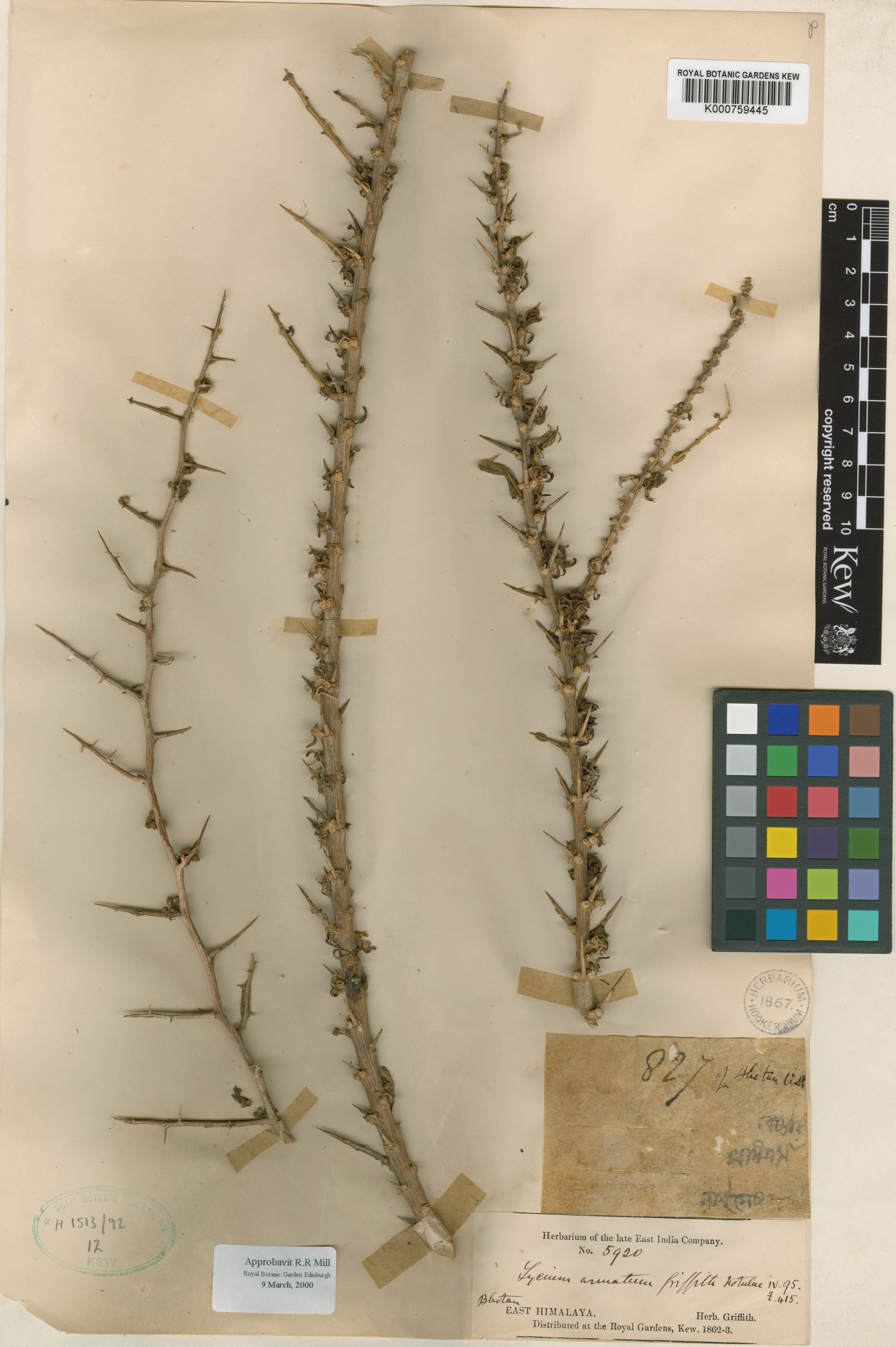
Solanum premnifolium is a shrub or small tree, typically growing 1-5 meters tall, characterized by ovate to cordate leaves with prominent venation. It produces globose to ovoid berries that are often dark purple or black when ripe, as seen in the dried specimen.