Yerba Santa
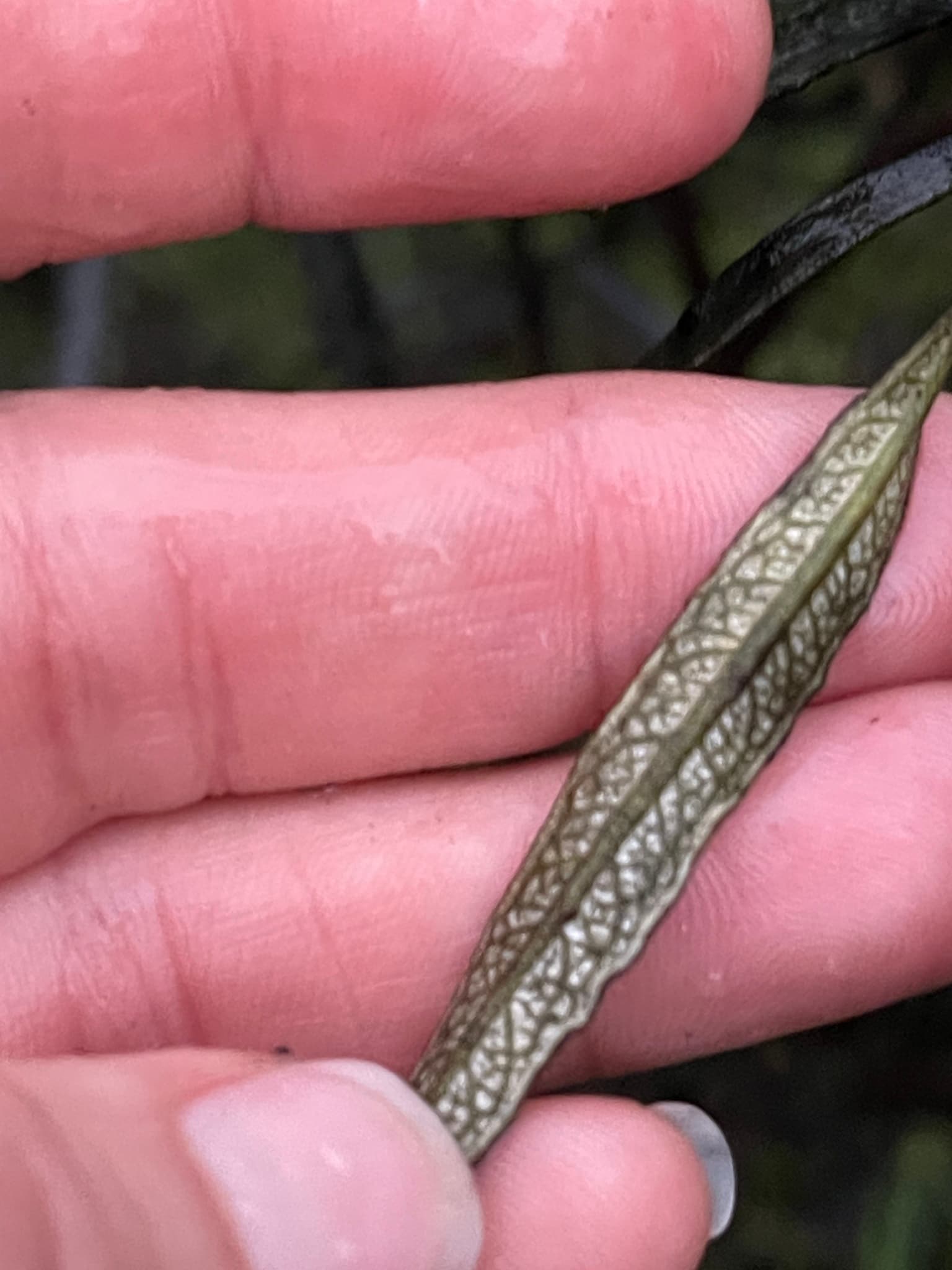
Image: lillybyrd (cc-by-nc)
NameYerba Santa
Scientific NameEriodictyon californicum
Common NamesYerba Santa, California Yerba Santa, Mountain Balm, Consumptive's Weed
Plant FamilyBoraginaceae
Natural HabitatDry, chaparral, and foothill woodlands, often found on sunny slopes, canyons, and disturbed areas in California and parts of Oregon.
Parts Usedleaf
Medicinal Actionsexpectorant, anti-inflammatory, antimicrobial, astringent, demulcent
Traditional UsesTraditionally used by Native American tribes and later by European settlers for respiratory conditions such as colds, coughs, bronchitis, asthma, and tuberculosis, acting as an expectorant to clear congestion. It was also used for sore throats, fevers, and as a general tonic. The leaves were often chewed or prepared as teas and tinctures.
Active ConstituentsFlavonoids, Eriodictyol, Homoeriodictyol, Sterubin, Volatile oils, Resins, Tannins
Preparation Methodsinfusion, decoction, tincture, powder
Contraindications & WarningsGenerally considered safe, but large doses may cause stomach upset. Due to its resinous nature, it can be difficult to extract fully in water. Pregnant and breastfeeding women should consult a healthcare professional before use.
Cultivation NotesPrefers full sun and well-drained soil. It is a drought-tolerant plant once established, requiring minimal water and care in suitable Mediterranean climates. Can be propagated from seed or cuttings.
Raritycommon
Description
Yerba Santa is a resinous evergreen shrub native to California and Oregon, typically growing 3-8 feet tall. Its lance-shaped leaves are dark green and glossy on the upper surface, while the underside is often whitish or felted with prominent veins, covered in a sticky, aromatic resin.