Solanum raphanifolium
Image: Conveyor Belt (cc0)
NameSolanum raphanifolium
Scientific NameSolanum raphanifolium Cárdenas & Hawkes
Common NamesRadish-leaved Nightshade, Wild Potato Relative
Plant FamilySolanaceae
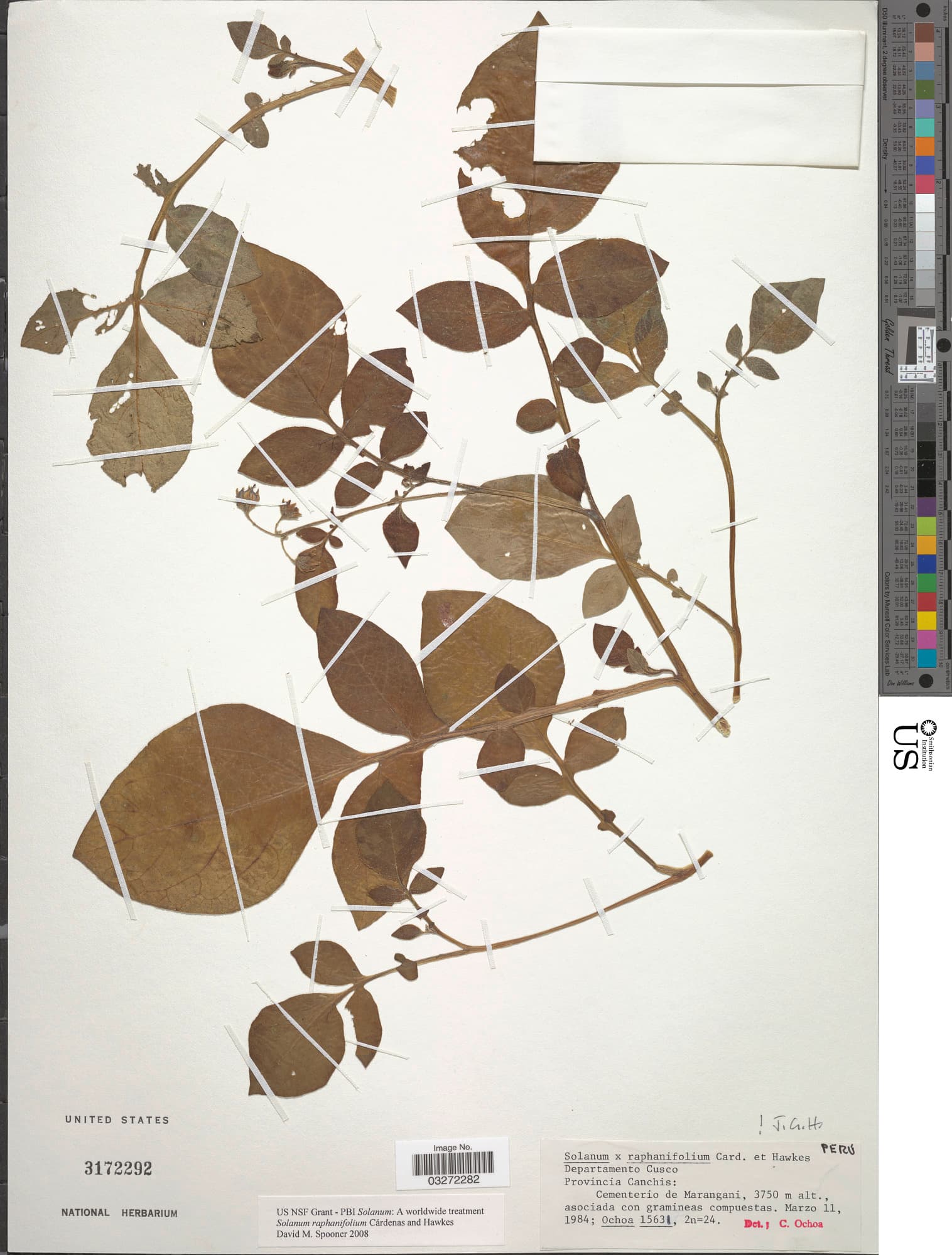
Natural HabitatNative to high-altitude regions of the Andes, specifically documented at 3750 meters in Marangani, Cusco, Peru. It is often found in association with grasses and in disturbed areas.
Parts Usedleaf,whole_plant
Medicinal Actionsanalgesic, anti-inflammatory, antimicrobial
Traditional UsesSpecific traditional medicinal uses for Solanum raphanifolium are not widely documented. However, other species within the Solanum genus are traditionally used for their anti-inflammatory and analgesic properties, often applied externally as poultices for skin conditions or pain. Internal use of Solanum species is generally approached with extreme caution due to the presence of toxic glycoalkaloids.
Active ConstituentsGlycoalkaloids, Solanine, Chaconine
Preparation Methodsdecoction, poultice
Contraindications & WarningsDue to the presence of toxic glycoalkaloids, Solanum raphanifolium should not be consumed internally without expert guidance. It is contraindicated for pregnant or lactating individuals, children, and those with liver conditions or taking medications that interact with glycoalkaloids. External use should also be approached with caution.
Cultivation NotesAs a wild potato relative, Solanum raphanifolium typically thrives in cool, high-altitude environments with well-drained soil and full sun exposure. It is adapted to mountainous regions and may require specific conditions to mimic its natural habitat.
Rarityuncommon
Description
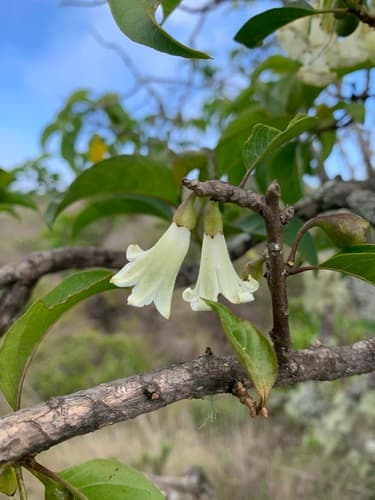
Solanum raphanifolium is a wild potato species characterized by its herbaceous growth habit and ovate to elliptic leaves. The plant produces small flowers and potentially berries, typical of the Solanum genus. This species is primarily known as a wild relative of cultivated potatoes.