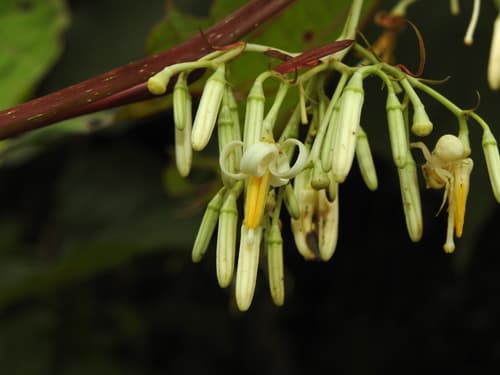
Herzog Cestrum
NameHerzog Cestrum
Scientific NameCestrum herzogii
Common NamesHerzog Cestrum
Plant FamilySolanaceae
Natural HabitatNative to tropical and subtropical regions of South America, often found in humid forests and disturbed areas.
Parts Used
Traditional UsesWhile some species within the Cestrum genus have been used traditionally in folk medicine, Cestrum herzogii is generally considered toxic due to the presence of steroidal saponins and alkaloids. There are no widely recognized safe traditional medicinal uses for this specific species.
Active ConstituentsSteroidal saponins, Alkaloids
Contraindications & WarningsAll parts of Cestrum herzogii are considered toxic if ingested. Contraindicated for internal use, during pregnancy or lactation, and for children. Contact with sap may cause skin irritation in sensitive individuals. Due to its toxicity, it is not recommended for medicinal use.
Cultivation NotesThis shrub prefers full sun to partial shade and well-drained soil. It thrives in warm, humid climates and is somewhat drought-tolerant once established. Can be grown as an ornamental in suitable zones.
Rarityuncommon
Description
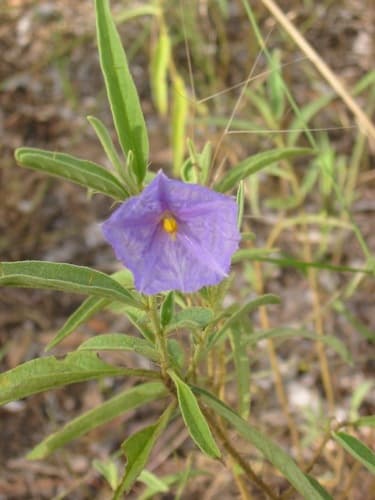
Herzog Cestrum is a tropical shrub characterized by its simple, alternate, bright green leaves. It produces clusters of striking tubular, deep purple flowers that bloom along the stems.