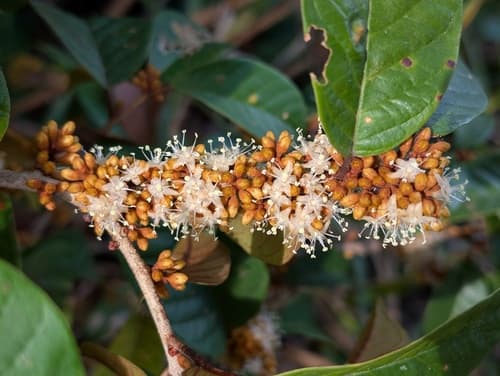
Woolly Ornamental Tobacco
NameWoolly Ornamental Tobacco
Scientific NameNicotiana tomentosa
Common NamesWoolly Ornamental Tobacco, Wild Tobacco
Plant FamilySolanaceae
Natural HabitatNative to the Andes region of South America (Peru, Bolivia, Argentina), growing in disturbed areas, forest edges, and along roadsides.
Parts Usedleaf,flower
Medicinal Actionsanalgesic, anti-inflammatory
Traditional UsesHistorically, some indigenous cultures in its native range have used the leaves externally as a poultice for pain relief, swelling, or insect bites. Due to its high toxicity, internal use is extremely dangerous and not recommended.
Active Constituentsnicotine, anabasine, nornicotine
Preparation Methodspoultice
Contraindications & WarningsHighly toxic; all parts contain potent alkaloids, primarily nicotine. Not for internal consumption. Can cause severe poisoning, including nausea, vomiting, dizziness, tremors, respiratory paralysis, and death. Avoid during pregnancy, lactation, and for individuals with heart conditions, high blood pressure, or neurological disorders. Skin contact can also lead to nicotine absorption.
Cultivation NotesGrows best in full sun to partial shade in well-drained soil. Can be cultivated as an annual in temperate climates or a perennial in frost-free zones. Requires moderate watering.
Raritycommon
Description
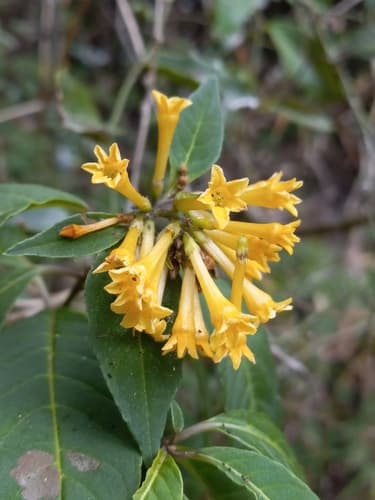
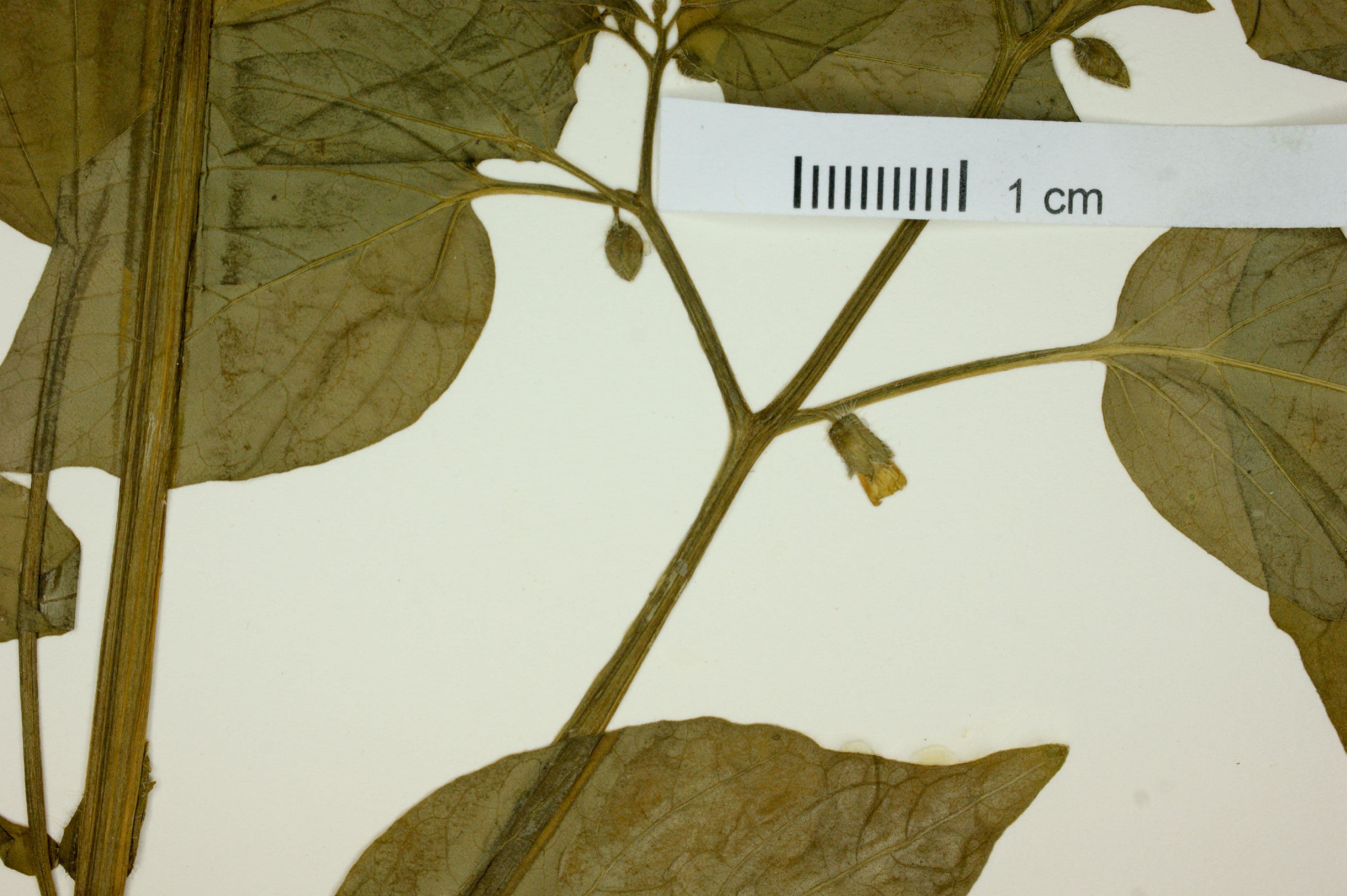
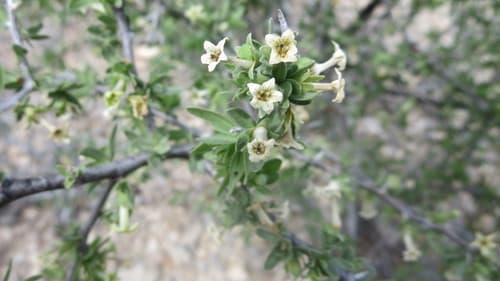
A robust, often tall, perennial shrub or small tree characterized by its large, velvety (tomentose) leaves and stems. It produces clusters of tubular, reddish-pink to purplish flowers, typically pollinated by hummingbirds.