Cestrum sphaerocarpum
NameCestrum sphaerocarpum
Scientific NameCestrum sphaerocarpum
Common NamesBolivian Jessamine
Plant FamilySolanaceae
Natural HabitatNative to the Andes region of South America, particularly found in montane forests, forest edges, and disturbed areas at various elevations.
Parts Used
Traditional UsesWhile some species within the Cestrum genus have limited traditional uses in folk medicine (often for pain or fever), Cestrum sphaerocarpum specifically lacks widely documented safe medicinal applications. The entire plant is considered toxic, and any traditional uses would be highly localized and carry significant risks due to its poisonous nature.
Active Constituentssteroidal saponins, alkaloids
Contraindications & WarningsALL parts of Cestrum sphaerocarpum are considered toxic and poisonous if ingested. Symptoms of poisoning can include gastrointestinal upset, neurological disturbances, and cardiac issues. It should not be used internally or externally without expert guidance, and is particularly dangerous for children, pregnant or nursing women, and individuals with liver or kidney conditions. Handle with extreme caution.
Cultivation NotesOften cultivated as an ornamental shrub in tropical and subtropical climates. It prefers full sun to partial shade and well-drained soil. It can be propagated by seeds or cuttings.
Rarityuncommon
Description
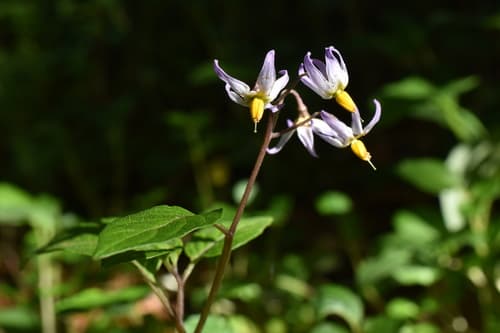
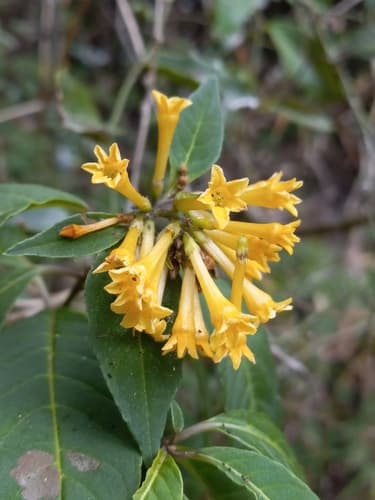
Cestrum sphaerocarpum is a shrub or small tree characterized by simple, alternate leaves and clusters of bright yellow, tubular flowers. The flowers typically have five pointed lobes and are borne in terminal or axillary inflorescences, as seen in the image.