Cuscuta chapalana
Image: J. A. Machuca Nuñez (cc-by-nc)
NameCuscuta chapalana
Scientific NameCuscuta chapalana Yunck.
Common NamesDodder
Plant FamilyConvolvulaceae
Natural HabitatFound in deciduous tropical forests, specifically collected from Barranca de Sayula, Jalisco, Mexico.
Parts Usedwhole_plant,flower,seed
Medicinal Actionsadaptogen, anti-inflammatory, antioxidant, diuretic
Traditional UsesTraditionally, species of Cuscuta have been used as a tonic for kidney and liver health, to address issues like impotence, frequent urination, and blurred vision. It is also employed for its anti-inflammatory and antioxidant properties.
Active Constituentsflavonoids, lignans, polysaccharides, saponins
Preparation Methodsinfusion, decoction, tincture, powder
Contraindications & WarningsDue to its parasitic nature and potential potency, caution is advised. Specific contraindications for Cuscuta chapalana are not widely documented, but generally, Cuscuta species are contraindicated in pregnancy and for individuals with certain heat conditions in traditional medicine.
Cultivation NotesCuscuta species are obligate parasites and require a host plant for survival, making cultivation challenging and not typically undertaken for medicinal purposes in a conventional garden setting.
Rarityuncommon
Description
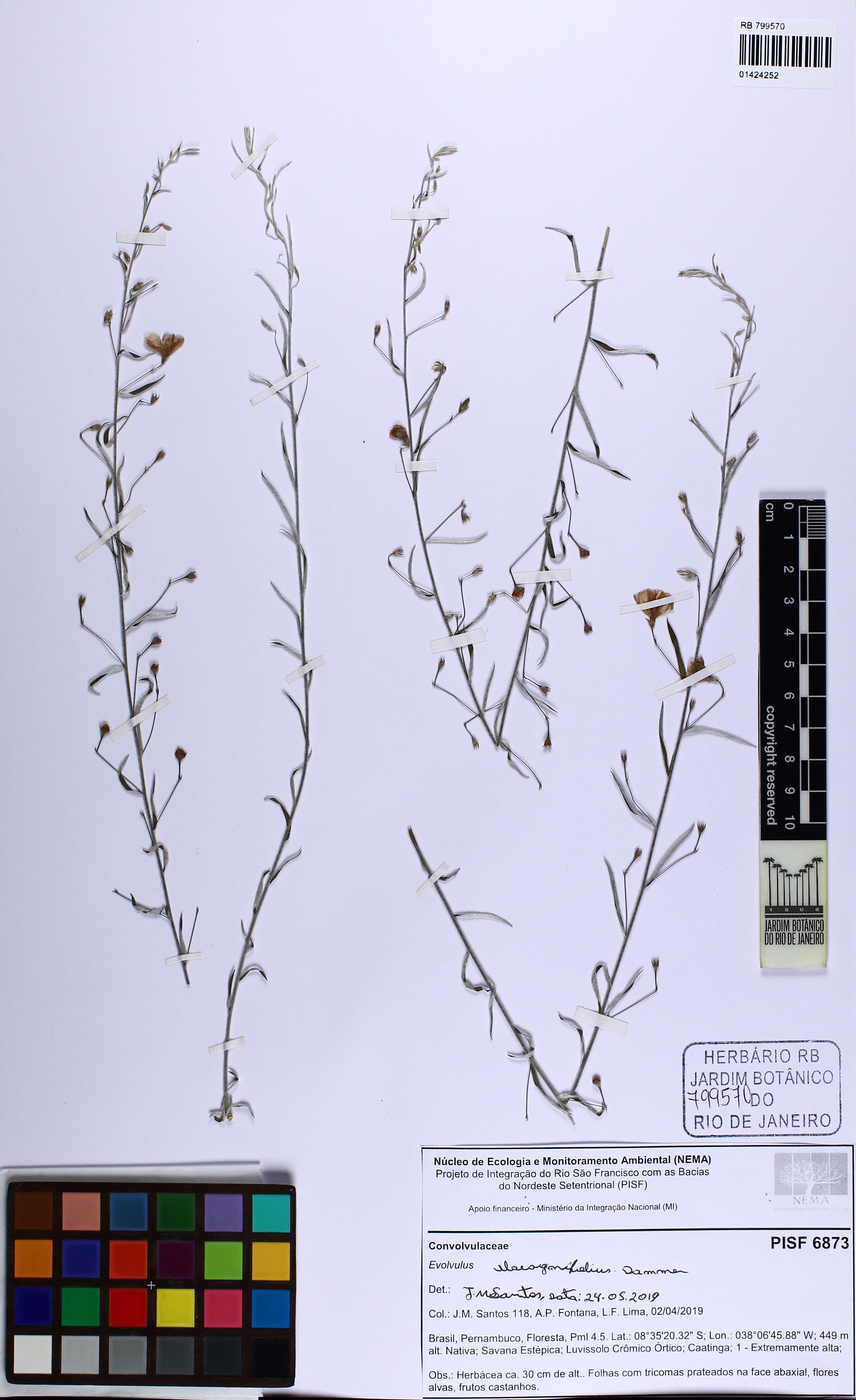
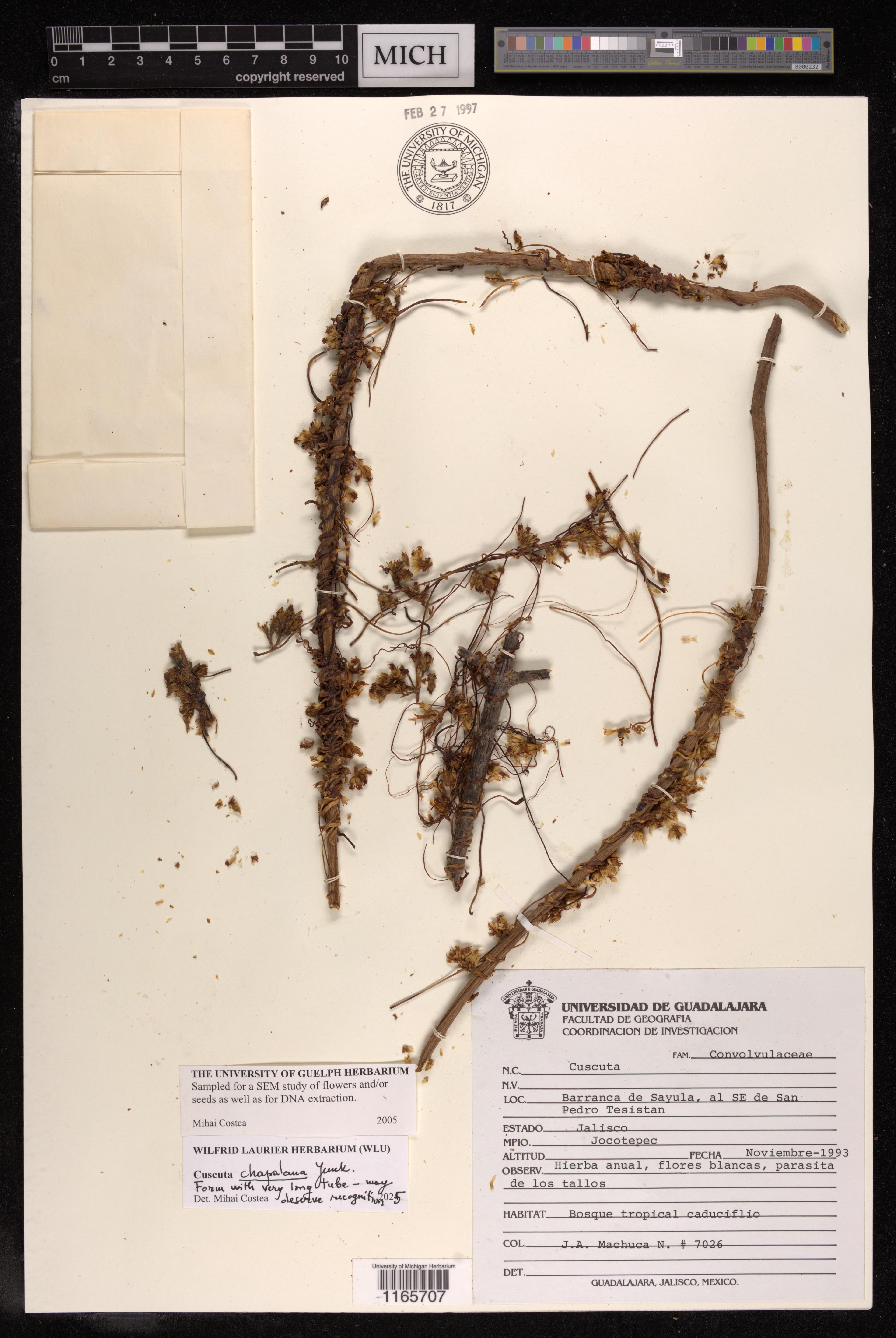
An annual parasitic vine, Cuscuta chapalana is characterized by its slender, leafless, yellowish-brown stems that twine extensively around host plants. It produces small, clustered white flowers along its stems, as seen in this dried herbarium specimen.