Wolf-apple
NameWolf-apple
Scientific NameSolanum lycocarpum
Common NamesWolf-apple, Lobeira, Fruta-de-lobo
Plant FamilySolanaceae
Natural HabitatNative to the Cerrado biome of Brazil, thriving in savannas, grasslands, and open woodlands. It prefers well-drained soils and full sun exposure.
Parts Usedfruit,leaf,root
Medicinal Actionsanti-inflammatory, antioxidant, antimicrobial, analgesic
Traditional UsesTraditionally used in Brazilian folk medicine for treating diabetes, high cholesterol, snake bites, and various inflammatory conditions. The fruit is consumed by local wildlife, particularly maned wolves, and is also used in some regional dishes after proper preparation to reduce bitterness.
Active Constituentssteroidal glycoalkaloids, flavonoids, saponins, phenolic compounds
Preparation Methodsinfusion, decoction, powder, poultice
Contraindications & WarningsUnripe fruits and excessive consumption of other plant parts can be toxic due to high levels of glycoalkaloids. Not recommended for pregnant or breastfeeding women, or individuals with liver or kidney conditions. May interact with medications for diabetes or cholesterol.
Cultivation NotesPrefers full sun and well-drained, sandy soils. It is drought-tolerant once established and can be propagated from seeds. Requires a warm climate and is sensitive to frost.
Raritycommon
Description
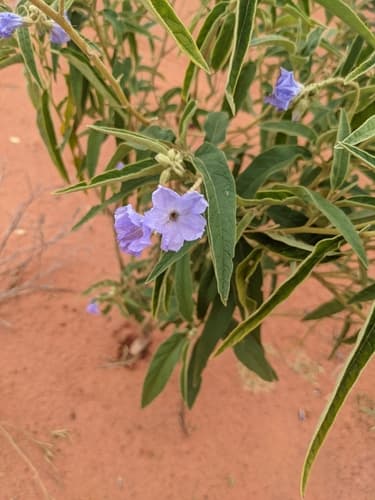
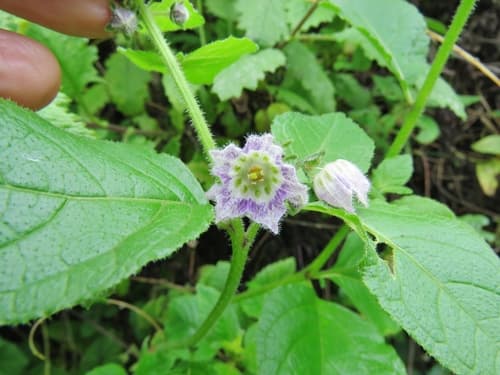
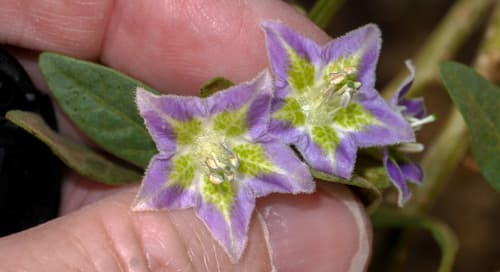
A shrub or small tree native to the Brazilian Cerrado, characterized by large, velvety, grayish-green leaves and striking purple flowers with prominent yellow anthers. It produces large, round, apple-like fruits that are green when unripe and yellowish when mature.