Witch Hazel
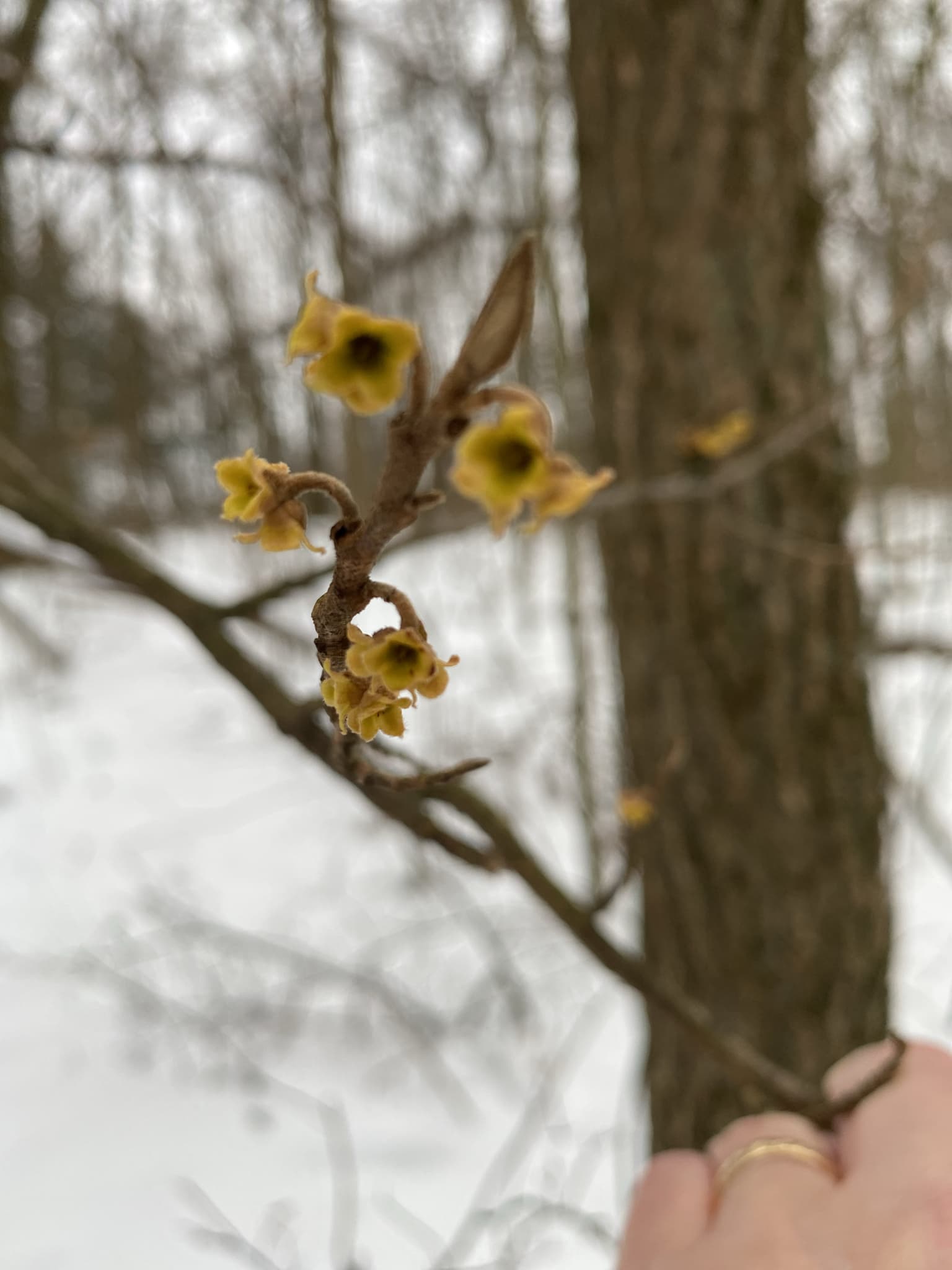
Image: Dan Nydick (cc-by-nc)
NameWitch Hazel
Scientific NameHamamelis virginiana
Common NamesWitch Hazel, American Witch Hazel, Common Witch Hazel
Plant FamilyHamamelidaceae
Natural HabitatNative to eastern North America, Witch Hazel typically grows in the understory of deciduous forests, woodlands, and along stream banks. It thrives in moist, well-drained, and acidic soils.
Parts Usedbark,leaf
Medicinal Actionsastringent, anti-inflammatory, antimicrobial
Traditional UsesTraditionally, Witch Hazel has been used topically for a wide range of skin conditions, including hemorrhoids, bruises, insect bites, minor cuts, and general skin irritations, due to its strong astringent and anti-inflammatory properties. It was also historically used internally for diarrhea and sore throats, though topical application is more common in modern herbalism.
Active Constituentstannins, hamamelitannin, gallic acid, catechins, flavonoids, volatile oils
Preparation Methodsinfusion, decoction, tincture, poultice, salve
Contraindications & WarningsGenerally considered safe for topical use. Internal use should be approached with caution and under professional guidance due to high tannin content, which can cause gastrointestinal upset or, in very high doses, potential liver issues. Avoid if known allergy to the plant exists.
Cultivation NotesWitch Hazel is a hardy plant, growing well in USDA zones 3-8. It prefers full sun to partial shade and moist, well-drained, acidic soil. Once established, it is relatively low maintenance.
Raritycommon
Description
Hamamelis virginiana is a deciduous shrub or small tree, notable for its unique spidery, yellow flowers that bloom in late autumn to early winter. Its oval-shaped leaves turn a vibrant yellow in the fall before dropping, often coinciding with the appearance of its distinctive blossoms.