Wintergreen
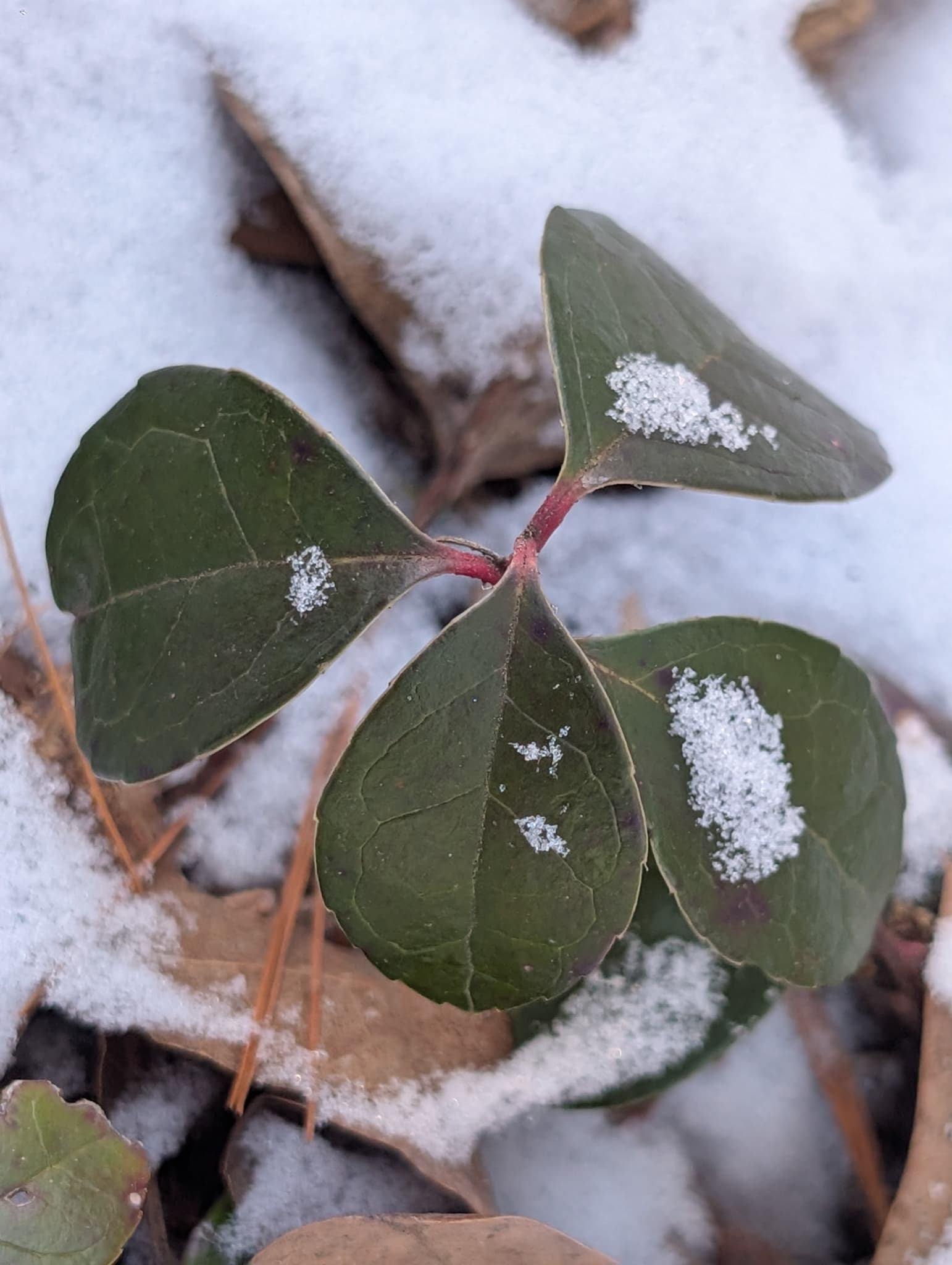
Image: Chris Reardon (cc-by)
NameWintergreen
Scientific NameGaultheria procumbens
Common NamesWintergreen, Eastern Teaberry, Checkerberry, Boxberry, American Wintergreen
Plant FamilyEricaceae
Natural HabitatNative to eastern North America, Wintergreen thrives in cool, moist, acidic soils found in woodlands, forests, and clearings, often growing under coniferous trees.
Parts Usedleaf,fruit
Medicinal Actionsanalgesic, anti-inflammatory, antimicrobial, astringent, diuretic
Traditional UsesTraditionally, Native Americans used wintergreen leaves for pain relief, fevers, headaches, and muscle aches. A tea made from the leaves was consumed for general wellness, to treat colds, and as a diuretic. Topically, crushed leaves or preparations were applied to soothe sore muscles, joints, and rheumatic pain.
Active ConstituentsMethyl salicylate, Tannins
Preparation Methodsinfusion, decoction, tincture, essential oil, salve
Contraindications & WarningsThe essential oil is highly concentrated and toxic if ingested; internal use is generally not recommended. Avoid in individuals sensitive to aspirin or salicylates, and in pregnant or breastfeeding women. May interact with anticoagulant medications. Use with caution in children due to the risk of Reye's syndrome.
Cultivation NotesPrefers partial to full shade, moist, well-drained, and highly acidic soil rich in organic matter. It spreads by rhizomes and is hardy in USDA zones 3-8. Requires consistent moisture and protection from strong, direct sun.
Raritycommon
Description
Wintergreen (Gaultheria procumbens) is a low-growing evergreen shrub characterized by its leathery, dark green leaves that often develop a reddish tint in colder months. It produces small, nodding white bell-shaped flowers in summer, followed by distinctive bright red, edible berries that persist through winter.