Lycianthes heteroclita
NameLycianthes heteroclita
Scientific NameLycianthes heteroclita
Plant FamilySolanaceae
Natural HabitatNative to tropical and subtropical regions of Central and South America, growing in forests, forest edges, and disturbed areas.
Parts Usedleaf,fruit
Medicinal Actionsanti-inflammatory, antimicrobial
Traditional UsesWhile specific traditional medicinal uses for Lycianthes heteroclita are not widely documented in general ethnobotanical literature, other species within the Lycianthes genus are traditionally used for conditions such as skin ailments and fevers, suggesting potential anti-inflammatory or antimicrobial applications.
Active Constituentssteroidal alkaloids, flavonoids, phenolic compounds
Preparation Methodsinfusion, poultice
Contraindications & WarningsDue to the presence of alkaloids common in the Solanaceae family, potential toxicity exists, especially if consumed in large quantities or improperly prepared. Caution is advised for pregnant or nursing women, children, and individuals with pre-existing conditions.
Cultivation NotesThrives in tropical to subtropical climates with well-drained soil and prefers full sun to partial shade. It can be propagated from seeds or cuttings.
Raritycommon
Description
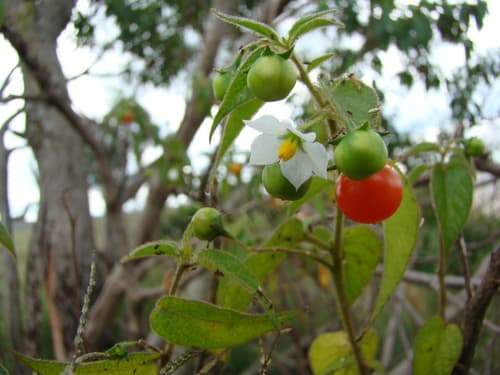
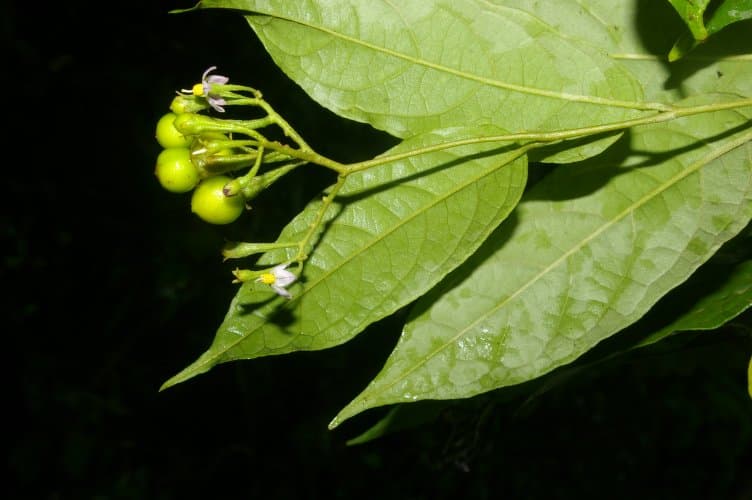
Lycianthes heteroclita is a shrub or small tree characterized by its simple, often variable leaves. It produces star-shaped white flowers with prominent yellow anthers, typically clustered in leaf axils, followed by small, spherical green fruits that ripen to a different color.