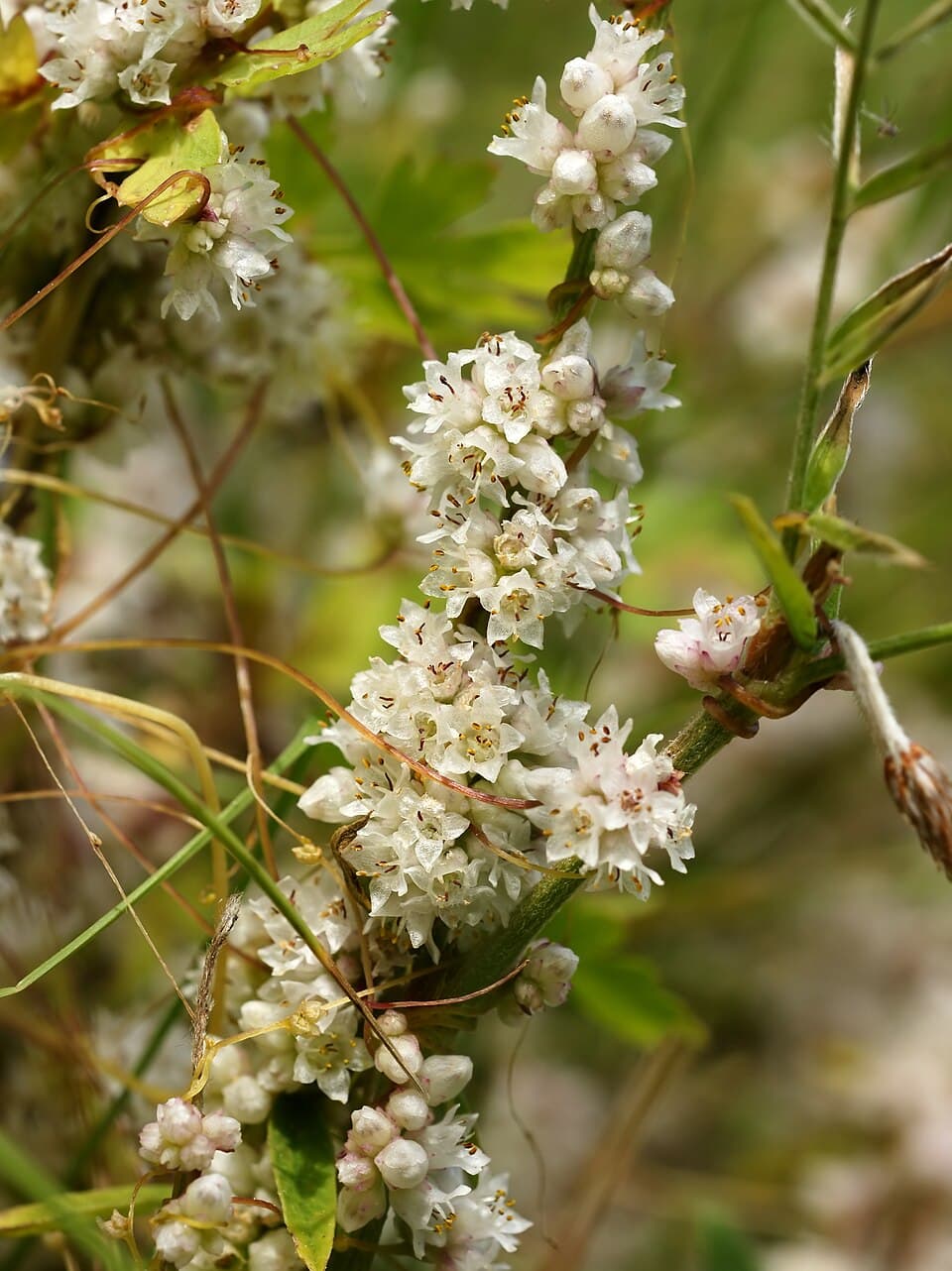
Clammy Groundcherry
NameClammy Groundcherry
Scientific NamePhysalis heterophylla
Common NamesClammy Groundcherry, Wild Tomato, Husk Tomato, Sticky Groundcherry
Plant FamilySolanaceae
Natural HabitatFound in disturbed areas, fields, open woods, roadsides, and waste places, often in dry to moist soils. It is native to North America.
Parts Usedfruit,leaf
Medicinal Actionsantioxidant, anti-inflammatory, diuretic
Traditional UsesTraditionally, the ripe fruits of Clammy Groundcherry and related *Physalis* species have been consumed for their nutritional value and sometimes used as a mild diuretic for bladder issues. Native American tribes historically used various parts, including leaves and roots, for fevers, stomach ailments, and skin conditions, often with specific preparation methods to mitigate toxicity. Unripe fruits and and leaves are generally considered toxic.
Active ConstituentsPhysalins, Carotenoids, Vitamin C
Preparation Methodsinfusion, powder
Contraindications & WarningsAll parts of the plant, especially unripe fruits and leaves, contain solanine-like glycoalkaloids and physalins which can be toxic. Ingestion of unripe fruits or large quantities of leaves can cause gastrointestinal upset, nausea, vomiting, and diarrhea. Pregnant and breastfeeding women should avoid. Individuals with nightshade allergies should exercise caution.
Cultivation NotesGrows well in full sun to partial shade in well-drained soil. It is a hardy perennial that can spread aggressively by rhizomes and seeds. Tolerant of various soil types but prefers fertile loam.
Raritycommon
Description
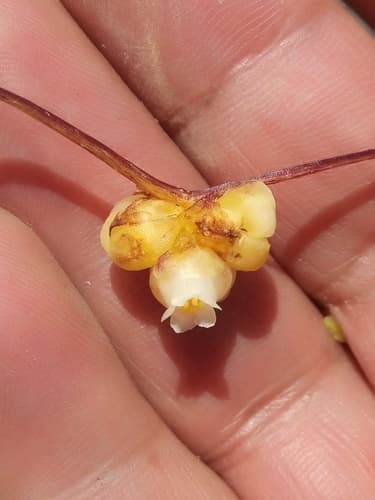
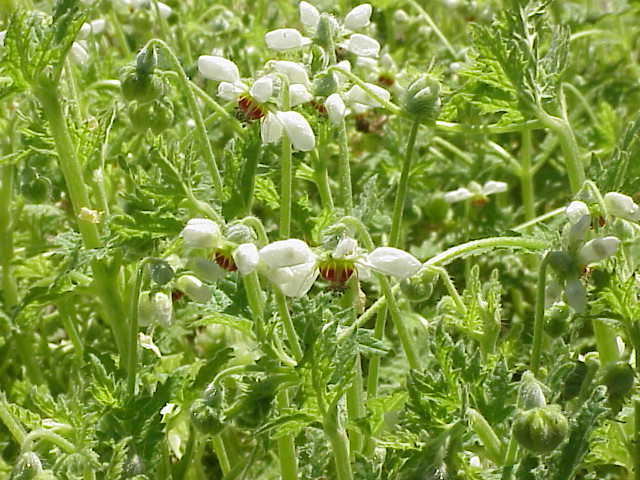
A herbaceous perennial plant characterized by its sticky, hairy stems and broadly ovate leaves. It produces bell-shaped, pale yellow flowers with a distinctive dark purplish-brown center, followed by berries enclosed in an inflated, papery husk (calyx).