Wilson's dogwood
NameWilson's dogwood
Scientific NameCornus wilsoniana
Common NamesWilson's dogwood, Wilson's Cornel
Plant FamilyCornaceae
Natural HabitatNative to central and western China, this species typically thrives in forests, thickets, and along stream banks, preferring moist, well-drained soils.
Parts Usedbark,fruit
Medicinal Actionsastringent, anti-inflammatory, antioxidant
Traditional UsesWhile specific traditional uses for Cornus wilsoniana are not extensively documented in Western herbalism, other dogwood species have historically been used as a febrifuge to reduce fever, an astringent for treating diarrhea, and for malarial fevers. The bark, rich in tannins, was often employed as a substitute for quinine.
Active Constituentstannins, iridoids, flavonoids
Preparation Methodsdecoction, infusion, tincture
Contraindications & WarningsLarge doses of dogwood bark may cause stomach upset. Pregnant or breastfeeding women should avoid use due to insufficient safety data. Individuals with known allergies to plants in the Cornaceae family should exercise caution.
Cultivation NotesWilson's dogwood prefers full sun to partial shade and moist, well-drained, acidic to neutral soil. It is relatively hardy and benefits from consistent moisture, especially during dry periods, and can tolerate a range of conditions once established.
Rarityuncommon
Description
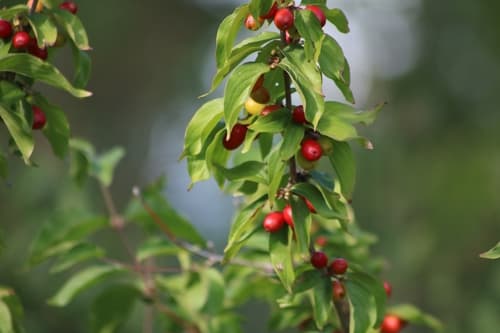
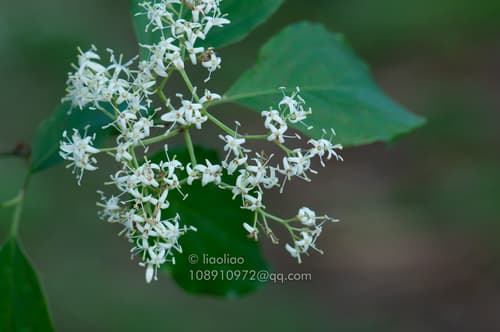
Cornus wilsoniana is a deciduous tree or large shrub native to China, characterized by its clusters of small white flowers in late spring to early summer, followed by dark blue to black berries. It features ovate, dark green leaves that often display attractive reddish-purple autumn coloration and can develop exfoliating bark.