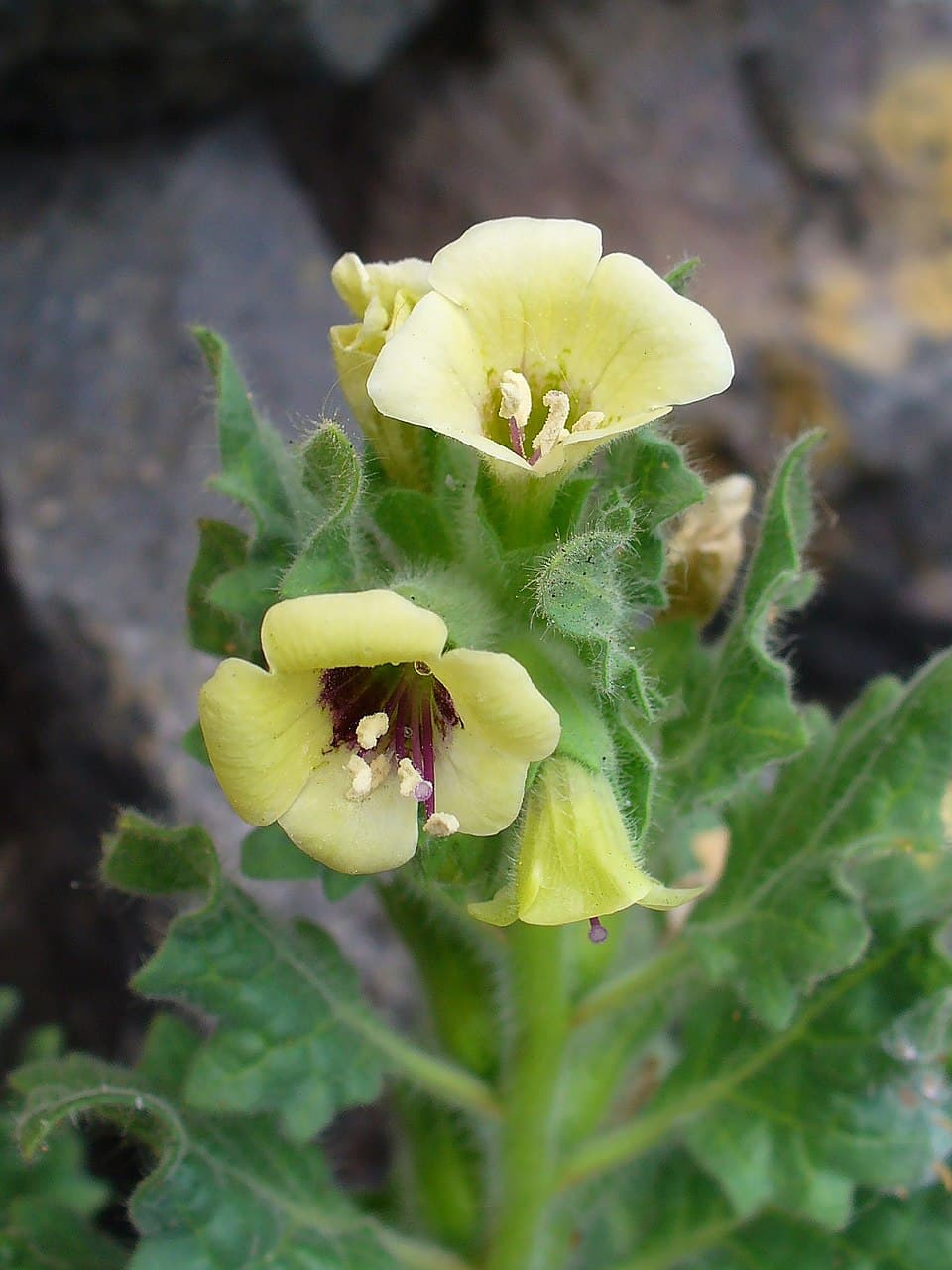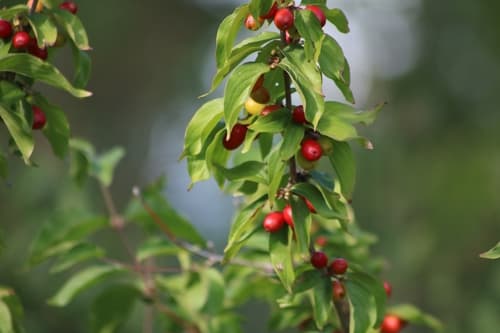
Cornelian cherry
NameCornelian cherry
Scientific NameCornus mas
Common NamesCornelian cherry, European cornel, Cornel dogwood
Plant FamilyCornaceae
Natural HabitatNative to southern Europe and southwestern Asia, it thrives in woodlands, forest edges, and scrublands. It prefers well-drained, often calcareous soils and can tolerate a range of light conditions from full sun to partial shade.
Parts Usedfruit,bark,leaf
Medicinal Actionsastringent, anti-inflammatory, antioxidant, antimicrobial
Traditional UsesTraditionally, Cornelian cherry fruits have been used for their astringent properties to treat diarrhea and dysentery. The fruits are also consumed for their high vitamin C and antioxidant content, supporting general health and immune function. Bark and leaves have been historically employed in decoctions for fevers and as a general tonic.
Active ConstituentsAnthocyanins, Iridoids (e.g., cornuside, loganin), Tannins, Vitamin C, Organic acids, Pectin
Preparation Methodsinfusion, decoction, powder
Contraindications & WarningsGenerally considered safe when consumed as food. Excessive consumption of unripe fruits may cause stomach upset due to high acidity. No significant drug interactions are widely reported, but individuals with specific health conditions should consult a healthcare professional.
Cultivation NotesA hardy and adaptable plant, Cornelian cherry prefers full sun to partial shade and well-drained soil. It is tolerant of various soil types, including alkaline, and is drought-tolerant once established, making it a low-maintenance choice for gardens.
Raritycommon
Description
Cornelian cherry is a deciduous shrub or small tree, notable for its early spring yellow flowers and bright red, oval, edible fruits. Its leaves are opposite, ovate, and typically bright green, providing a lush backdrop for the developing fruit.