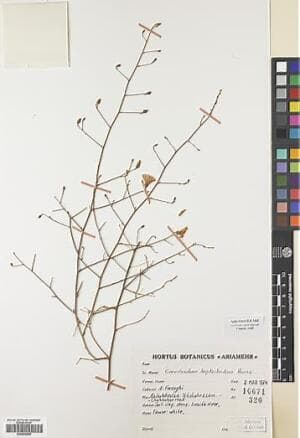
Convolvulus leptocladus
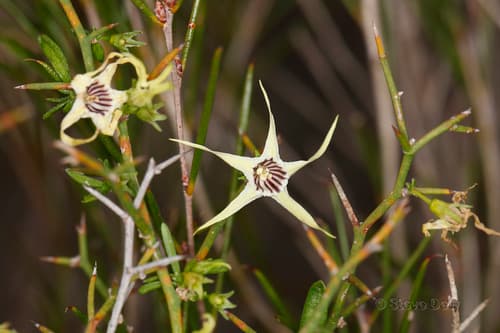
Image: Foroughi, H. (cc0)
NameConvolvulus leptocladus
Scientific NameConvolvulus leptocladus Boiss.
Plant FamilyConvolvulaceae
Natural HabitatNative to arid and semi-arid regions of the Middle East, particularly found on rocky slopes, steppes, and desert areas in countries like Iran and Iraq.
Parts Usedwhole_plant,root
Medicinal Actionsantioxidant, anti-inflammatory
Traditional UsesWhile specific traditional medicinal uses for Convolvulus leptocladus are not widely documented, other species within the Convolvulus genus have historically been used as strong purgatives to treat constipation and expel parasites. Due to the presence of similar compounds, it may share some of these properties, though specific applications are not well-established for this species.
Active Constituentsresin glycosides, alkaloids, tannins
Preparation Methodsinfusion, decoction, powder
Contraindications & WarningsDue to the potential for potent purgative effects common in the genus, Convolvulus species are generally contraindicated in pregnancy, breastfeeding, intestinal obstruction, inflammatory bowel disease, and in young children. Large doses can cause severe gastrointestinal distress.
Cultivation NotesThis plant thrives in full sun and requires well-drained, sandy or rocky soil, typical of its arid native habitat. It is highly drought-tolerant once established and suitable for xeriscaping in appropriate climates.
Rarityuncommon
Description
Convolvulus leptocladus is a perennial subshrub characterized by its slender, intricately branched, woody stems, often appearing somewhat leafless. It produces small, funnel-shaped white flowers, typical of the Convolvulus genus. The plant's morphology is adapted to arid environments.