Wild Hydrangea
NameWild Hydrangea
Scientific NameHydrangea arborescens
Common NamesWild Hydrangea, Smooth Hydrangea, Sevenbark
Plant FamilyHydrangeaceae
Natural HabitatFound in moist woodlands, forest edges, stream banks, and rocky slopes, typically thriving in partial shade.
Parts Usedroot,bark
Medicinal Actionsdiuretic, anti-inflammatory
Traditional UsesTraditionally used by Native Americans and early American settlers primarily for urinary tract issues, including kidney stones, bladder infections, and prostate problems. It was also employed for rheumatism and as a mild laxative.
Active ConstituentsHydrangin, saponins, flavonoids, volatile oils, calcium oxalate
Preparation Methodsdecoction, tincture, powder
Contraindications & WarningsNot recommended for use during pregnancy or breastfeeding. May cause stomach upset or nausea in sensitive individuals. Should be avoided in cases of intestinal obstruction and may interact with diuretic medications.
Cultivation NotesPrefers partial shade to full sun in cooler climates, and moist, well-drained soil. Thrives in rich, organic soil and is relatively drought tolerant once established.
Raritycommon
Description
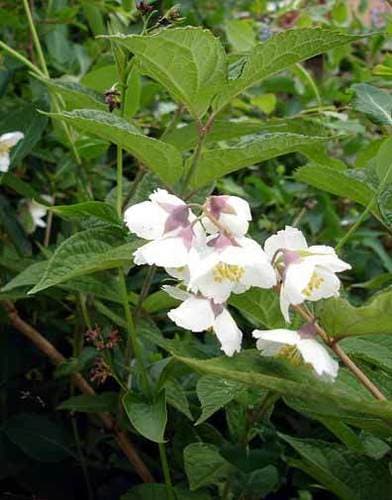
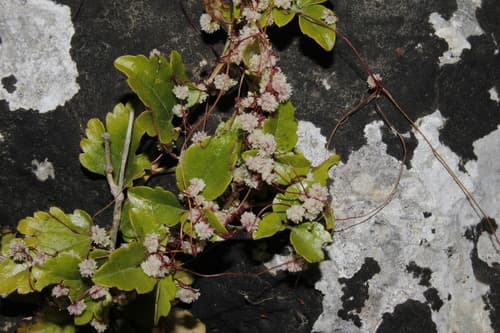
A deciduous shrub native to eastern North America, characterized by its large, flat-topped clusters of white flowers, which feature prominent sterile florets on the margins and smaller fertile ones in the center. Its leaves are opposite, ovate, and serrated.