Erycibe cochinchinensis
NameErycibe cochinchinensis
Scientific NameErycibe cochinchinensis
Common NamesCochinchina Erycibe, Thao lian
Plant FamilyConvolvulaceae
Natural HabitatFound in forests, thickets, and along forest margins in tropical and subtropical regions of Southeast Asia, including Vietnam, Thailand, and southern China, typically in moist, well-drained soils.
Parts Usedroot,leaf,fruit
Medicinal Actionsadaptogen, analgesic, anti-inflammatory, antimicrobial, antioxidant
Traditional UsesTraditionally used in Southeast Asian medicine for treating rheumatic pain, muscle aches, sprains, and fractures. It is also employed as a general tonic to improve circulation and alleviate weakness.
Active ConstituentsFlavonoids, Triterpenoids, Alkaloids, Coumarins, Phenolic compounds
Preparation Methodsinfusion, tincture, powder
Contraindications & WarningsLimited specific data available; general caution advised for pregnant or nursing individuals and those with pre-existing medical conditions. Potential interactions with blood-thinning medications should be considered.
Cultivation NotesPrefers warm, humid climates with well-drained soil and can grow in partial shade to full sun. As a vine, it requires structural support for climbing. Propagation is typically done via seeds or stem cuttings.
Raritycommon
Description
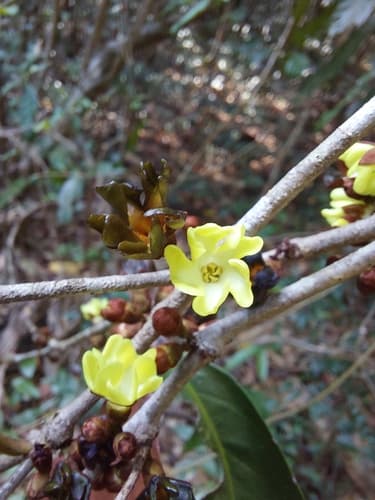
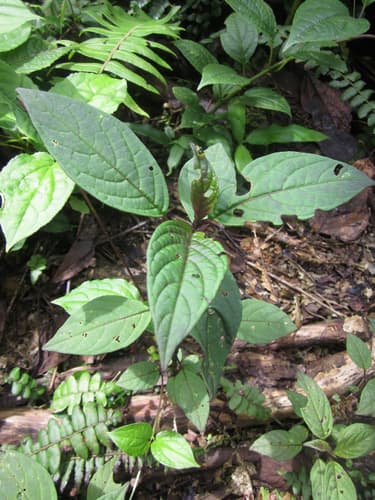
Erycibe cochinchinensis is a woody vine or shrub native to Southeast Asia, characterized by simple, alternate leaves and clusters of small, fragrant, pale yellow, star-shaped flowers. These flowers often emerge directly from woody stems, developing into small, dark berries when ripe.
%2Fcc444b90e268.jpg&w=3840&q=75)