White Willow
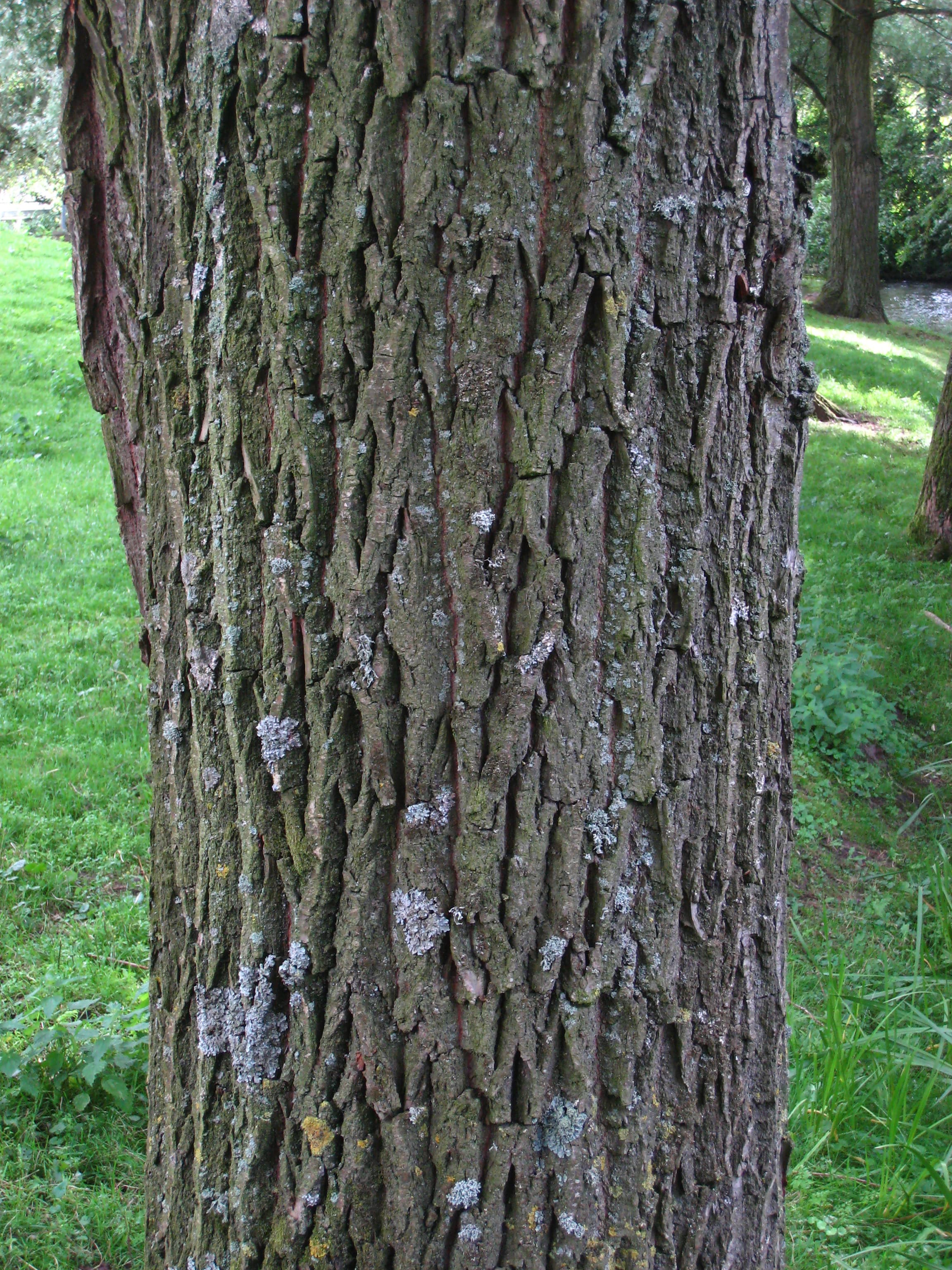
Image: S Sepp (CC BY-SA 3.0)
NameWhite Willow
Scientific NameSalix alba
Common NamesWhite Willow, European Willow, Common Willow
Plant FamilySalicaceae
Natural HabitatNative to Europe and western and central Asia, White Willow thrives in moist to wet soils. It is commonly found along riverbanks, streams, and in wetlands, preferring full sun exposure.
Parts Usedbark
Medicinal Actionsanalgesic, anti-inflammatory, astringent
Traditional UsesTraditionally, White Willow bark has been used for centuries to alleviate pain, reduce fever, and combat inflammation. It was historically employed for conditions such as headaches, rheumatic pain, arthritis, and general aches and pains, often considered a natural precursor to aspirin.
Active ConstituentsSalicin, Flavonoids, Tannins
Preparation Methodsdecoction, tincture, powder
Contraindications & WarningsIndividuals with an allergy to aspirin or salicylates should avoid White Willow. It is contraindicated during pregnancy, breastfeeding, and in children under 16 due to the risk of Reye's syndrome. May interact with anticoagulant medications.
Cultivation NotesWhite Willow grows best in full sun and moist to wet, well-drained soils, though it tolerates a range of soil types including heavy clay. It is a fast-growing tree that can be easily propagated from cuttings.
Raritycommon
Description
Salix alba is a medium to large deciduous tree, characterized by its deeply furrowed, grey-brown bark that becomes more fissured with age, as seen in the image. Its leaves are typically narrow, lanceolate, and have a distinctive silvery-white underside. The tree can reach heights of 10-25 meters.