Lycium fuscum
NameLycium fuscum
Scientific NameLycium fuscum
Plant FamilySolanaceae
Natural HabitatArid and semi-arid regions, often found on rocky slopes, desert washes, and sandy plains in its native range.
Parts Usedfruit,leaf,root
Medicinal Actionsantioxidant, anti-inflammatory, adaptogen, antimicrobial
Traditional UsesWhile specific traditional uses for Lycium fuscum are not extensively documented, other Lycium species in arid regions have been traditionally used for general health, eye health, and as a tonic. The fruits are likely consumed for their nutritional value and potential medicinal properties.
Active ConstituentsPolysaccharides, Carotenoids, Flavonoids, Betaine
Preparation Methodsinfusion, decoction, powder
Contraindications & WarningsPotential interactions with anticoagulant medications due to coumarins found in some Lycium species. Caution is advised for individuals with known allergies to the Solanaceae (nightshade) family.
Cultivation NotesDrought-tolerant, prefers full sun and well-drained, sandy or rocky soil. Requires minimal water once established and can be propagated by seed or cuttings.
Rarityuncommon
Description
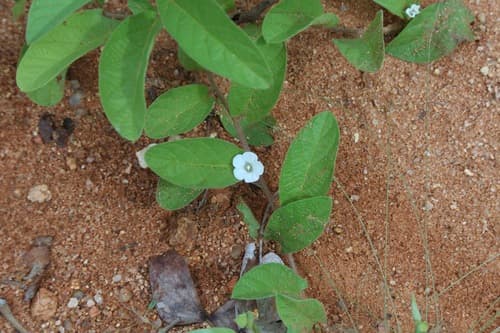
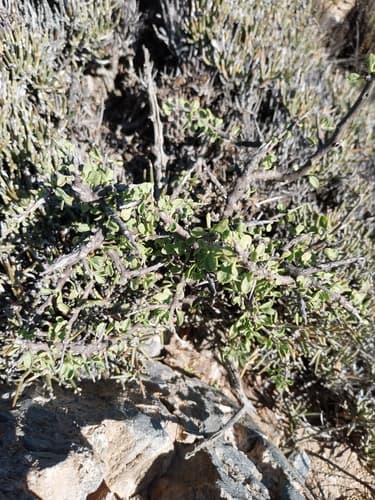
Lycium fuscum is a thorny, deciduous shrub adapted to arid environments. It typically features small, often succulent-like leaves and woody, branching stems, growing low to the ground and well-suited for water conservation.