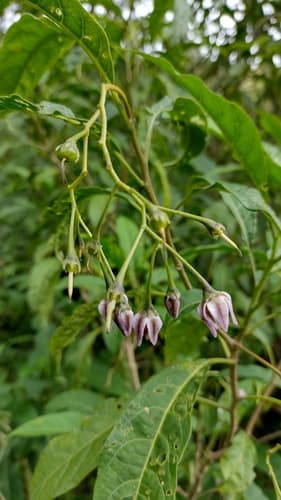
Clavate Morning Glory
NameClavate Morning Glory
Scientific NameIpomoea clavata
Common NamesClavate Morning Glory, Morning Glory
Plant FamilyConvolvulaceae
Natural HabitatNative to tropical and subtropical regions, often found growing in disturbed areas, forest margins, and open woodlands, where it climbs over other vegetation.
Parts Usedleaf,root,seed
Medicinal Actionsanti-inflammatory, diuretic
Traditional UsesWhile specific traditional medicinal uses for Ipomoea clavata are not widely documented, other species within the Ipomoea genus have been traditionally used as purgatives, diuretics, and for treating various skin conditions. It is important to note that specific ethnobotanical data for I. clavata itself is limited.
Active ConstituentsResin glycosides
Preparation Methodsinfusion, decoction, powder
Contraindications & WarningsDue to the potential presence of compounds common in the Ipomoea genus (e.g., resin glycosides), caution is advised for pregnant or nursing women, young children, and individuals with gastrointestinal disorders. Consult a healthcare professional before use.
Cultivation NotesThrives in full sun to partial shade with well-drained soil. As a climbing vine, it requires support such as a trellis or fence. It is generally easy to grow in warm climates.
Raritycommon
Description
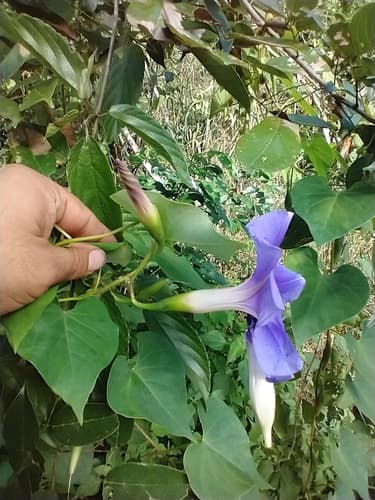
A vigorous climbing vine characterized by its heart-shaped to ovate leaves and striking trumpet-shaped flowers. The blossoms are typically a vibrant purple-blue with a paler, often white, throat, emerging from distinctive clavate (club-shaped) buds.