Cestrum subumbellatum
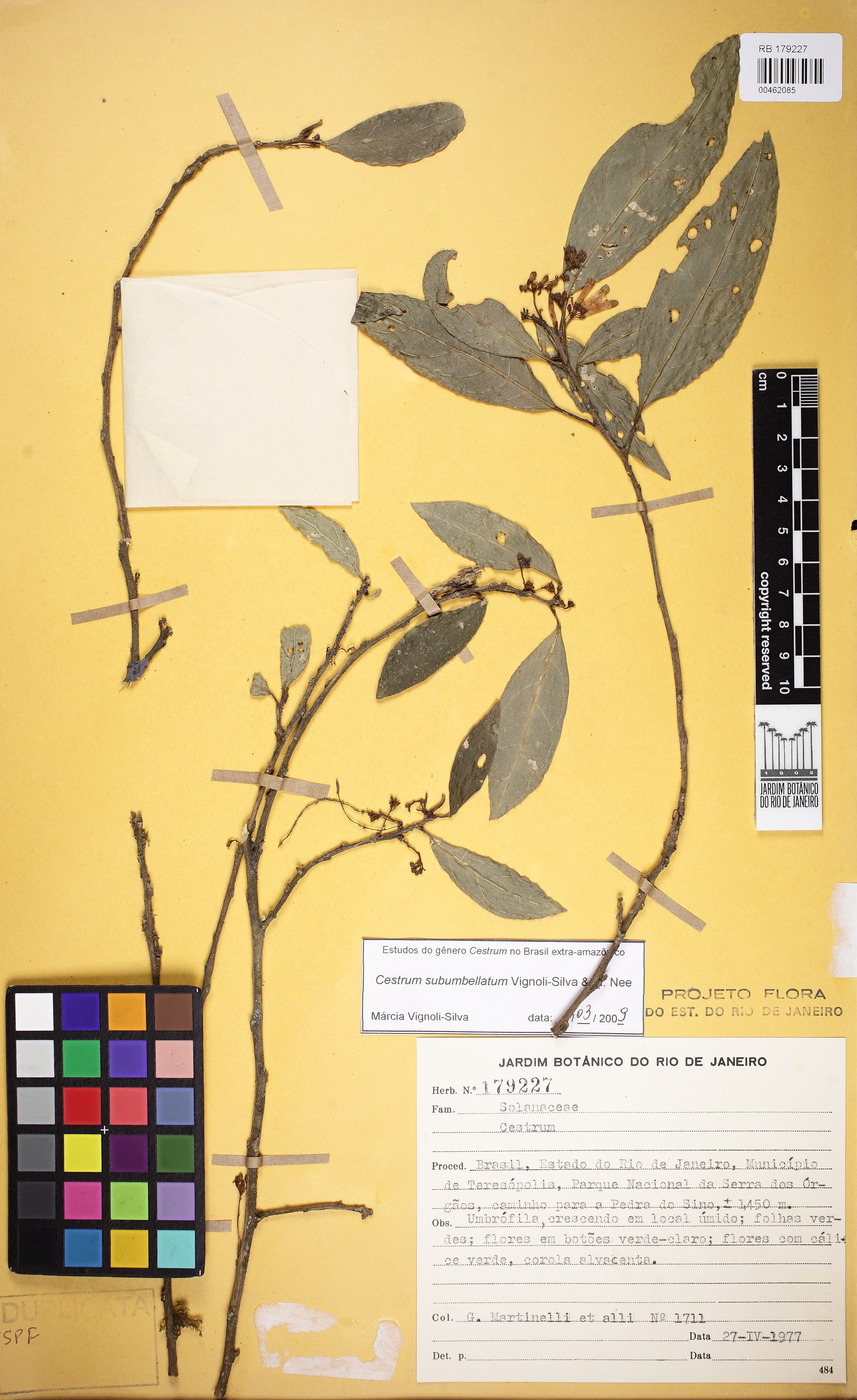
Image: G. Martinelli (cc-by)
NameCestrum subumbellatum
Scientific NameCestrum subumbellatum Vignoli-Silva & M.Nee
Plant FamilySolanaceae
Natural HabitatNative to humid, umbrophilous (shade-loving) environments in mountainous regions of Brazil, specifically found at altitudes around 1450 meters in the Serra dos Órgãos National Park, Rio de Janeiro state.
Parts Usedleaf,flower
Medicinal Actionsantimicrobial, analgesic
Traditional UsesNo widely documented traditional medicinal uses for *Cestrum subumbellatum* specifically. The genus *Cestrum* is generally known for containing steroidal glycoalkaloids and is considered toxic. Some *Cestrum* species are used in folk medicine, often externally for skin ailments or pain relief, or internally in highly diluted forms as purgatives or febrifuges, but always with extreme caution due to potential poisoning.
Active Constituentssteroidal glycoalkaloids, saponins
Preparation Methodsdecoction, poultice
Contraindications & WarningsAll parts of *Cestrum subumbellatum* are presumed to be toxic due to the presence of steroidal glycoalkaloids, similar to other species in the genus *Cestrum*. Internal use is highly contraindicated and can lead to severe poisoning, including gastrointestinal upset, neurological symptoms, and cardiac effects. Avoid use by pregnant or lactating individuals, children, and individuals with liver or kidney conditions. External use should also be approached with extreme caution and under expert supervision.
Cultivation NotesPrefers partial to full shade and consistently moist, well-drained soil. Thrives in humid environments, typical of its native mountainous rainforest habitat. Requires protection from frost.
Rarityuncommon
Description
A woody plant characterized by simple, alternate leaves that are ovate to elliptic. It produces small flowers with a green calyx and whitish corolla, typically arranged in axillary clusters along the stems. The specimen shows dried foliage and inflorescences.