Wasabi
Image: Deniz Wilson (cc0)
NameWasabi
Scientific NameEutrema japonicum
Common NamesWasabi, Japanese horseradish
Plant FamilyBrassicaceae
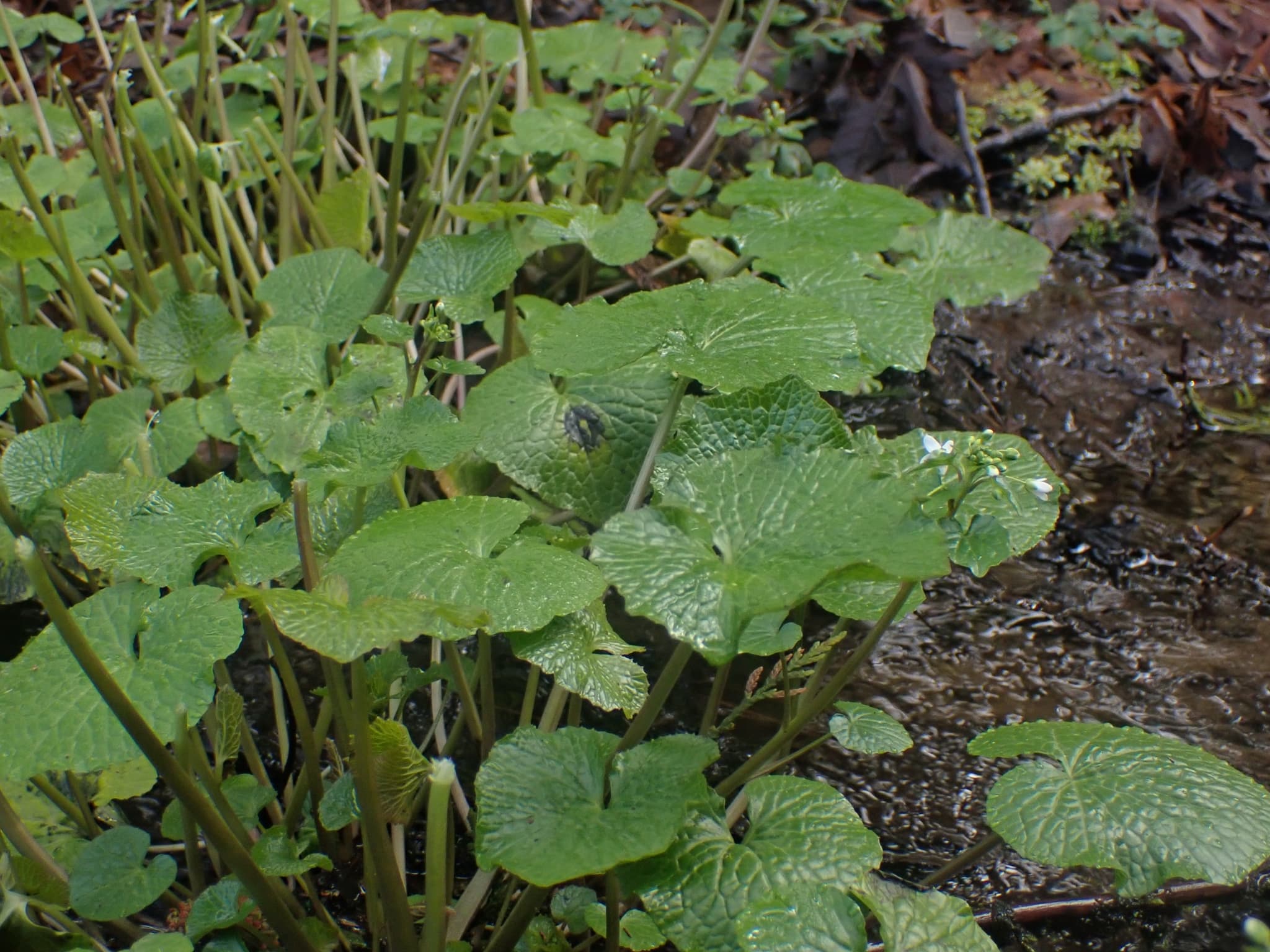
Natural HabitatNative to Japan, Korea, and Sakhalin, Wasabi thrives in cool, moist, shaded environments, typically along the banks of mountain streams and river valleys where it can grow in or near clean, running water.
Parts Usedroot,leaf,flower
Medicinal Actionsantimicrobial, anti-inflammatory, antioxidant
Traditional UsesTraditionally, Wasabi has been used in Japanese folk medicine for its potent antimicrobial properties, particularly against foodborne bacteria and parasites, often consumed with raw fish. It has also been valued for its digestive aid properties and as a general detoxifier, believed to help cleanse the body.
Active ConstituentsIsothiocyanates, Allyl isothiocyanate, 6-Methylsulfinylhexyl isothiocyanate (6-MSITC)
Preparation Methodspowder, infusion, tincture
Contraindications & WarningsHigh consumption may cause gastrointestinal upset in sensitive individuals due to its pungency. Due to its anti-platelet effects, caution is advised for individuals on anticoagulant medications or those with bleeding disorders.
Cultivation NotesRequires very specific conditions: constant cool temperatures (10-18°C), high humidity, shade, and a continuous supply of clean, flowing water. It is slow-growing and highly sensitive to changes in its environment, making it challenging to cultivate outside its native habitat.
Rarityuncommon
Description
Eutrema japonicum is a semi-aquatic perennial herb characterized by large, heart-shaped to kidney-shaped basal leaves with long petioles. It produces small, white, four-petaled flowers on slender stalks, typically growing in clusters above the foliage. The plant's most notable feature is its thick, pungent rhizome.