Cestrum cristinae
NameCestrum cristinae
Scientific NameCestrum cristinae
Plant FamilySolanaceae
Natural HabitatLike many species in the Cestrum genus, Cestrum cristinae is likely native to tropical and subtropical regions of the Americas, often found in disturbed areas, forest margins, or open woodlands.
Parts Used
Traditional UsesThere are no widely documented traditional medicinal uses specifically for Cestrum cristinae. The genus Cestrum is generally known for containing toxic compounds, and most species are not used medicinally due to safety concerns. Any traditional uses would require specific, localized knowledge and extreme caution.
Contraindications & WarningsAll parts of Cestrum cristinae should be considered potentially toxic. Ingestion can lead to severe gastrointestinal upset, neurological symptoms, and other adverse effects. Due to the lack of specific safety data and known toxicity within the genus, this plant should not be used internally or externally for medicinal purposes. Avoid contact with skin and eyes, and keep away from children and pets. Pregnant or nursing women, and individuals with liver or kidney conditions, should strictly avoid this plant.
Cultivation NotesCestrum species generally prefer warm climates, full sun to partial shade, and well-drained soil. They can be propagated from seeds or cuttings. Due to potential toxicity, care should be taken when cultivating, especially in areas accessible to children or livestock.
Rarityuncommon
Description
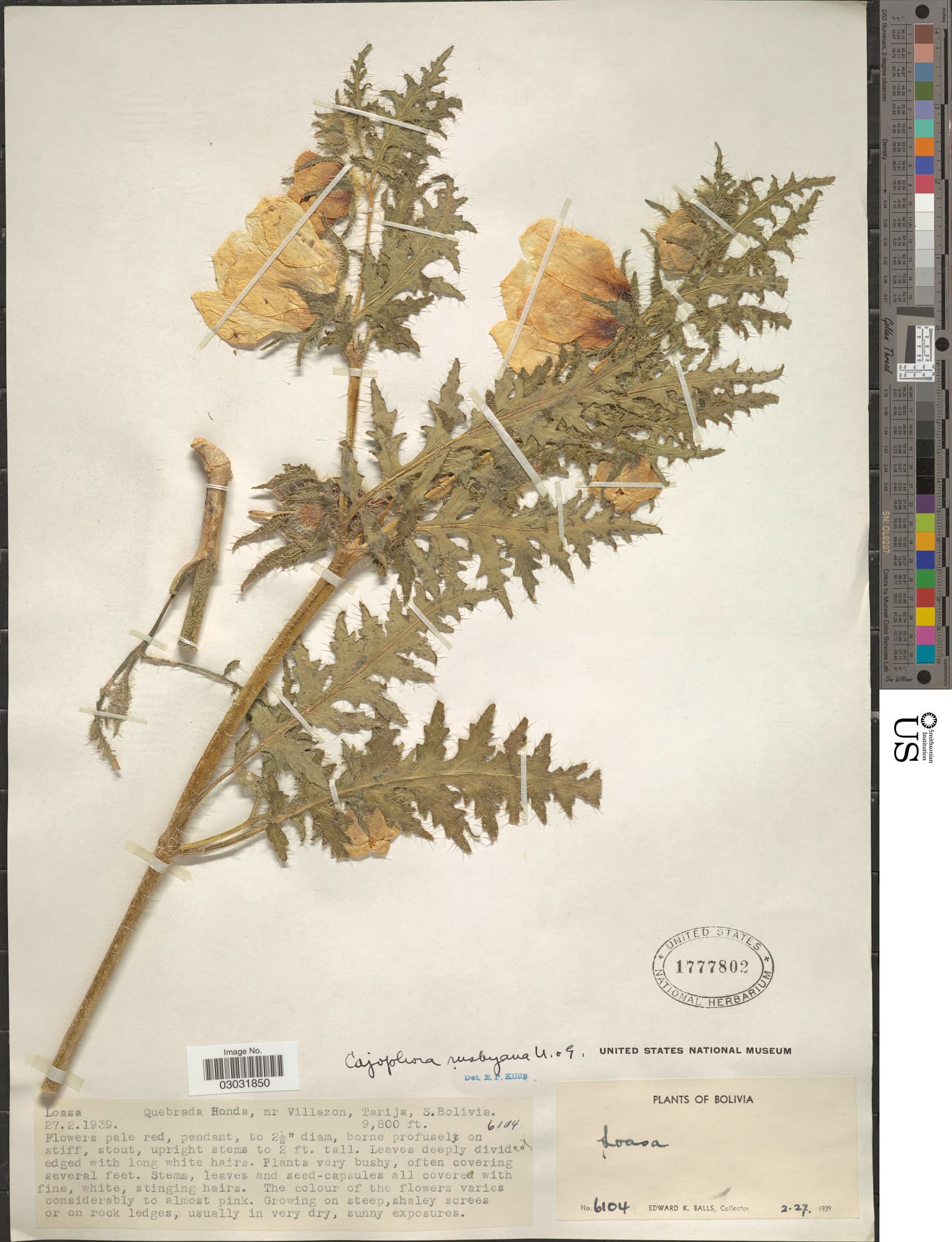
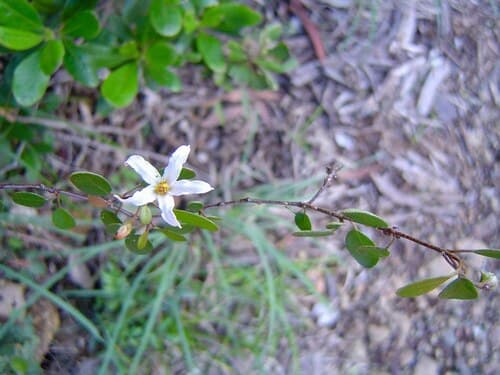
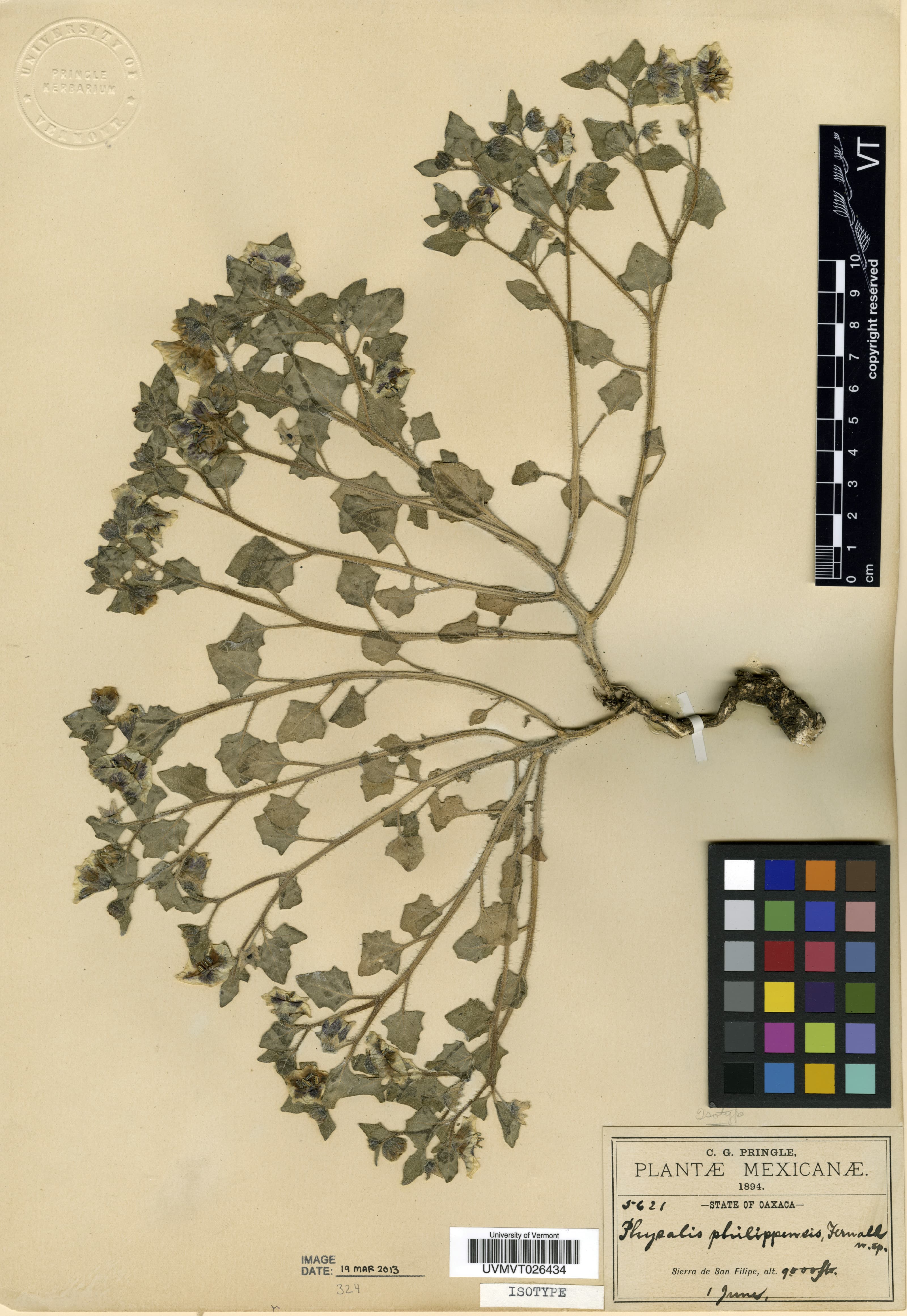
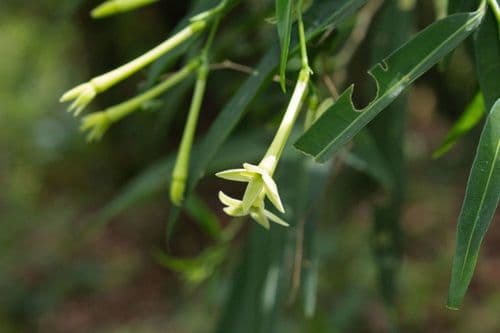
Cestrum cristinae is a species within the nightshade family, characterized by its slender, elongated, tubular flowers, typically pale greenish-yellow, emerging from leaf axils. Its leaves are simple, alternate, entire, and lanceolate to narrowly elliptic, contributing to its shrubby or small tree growth habit.