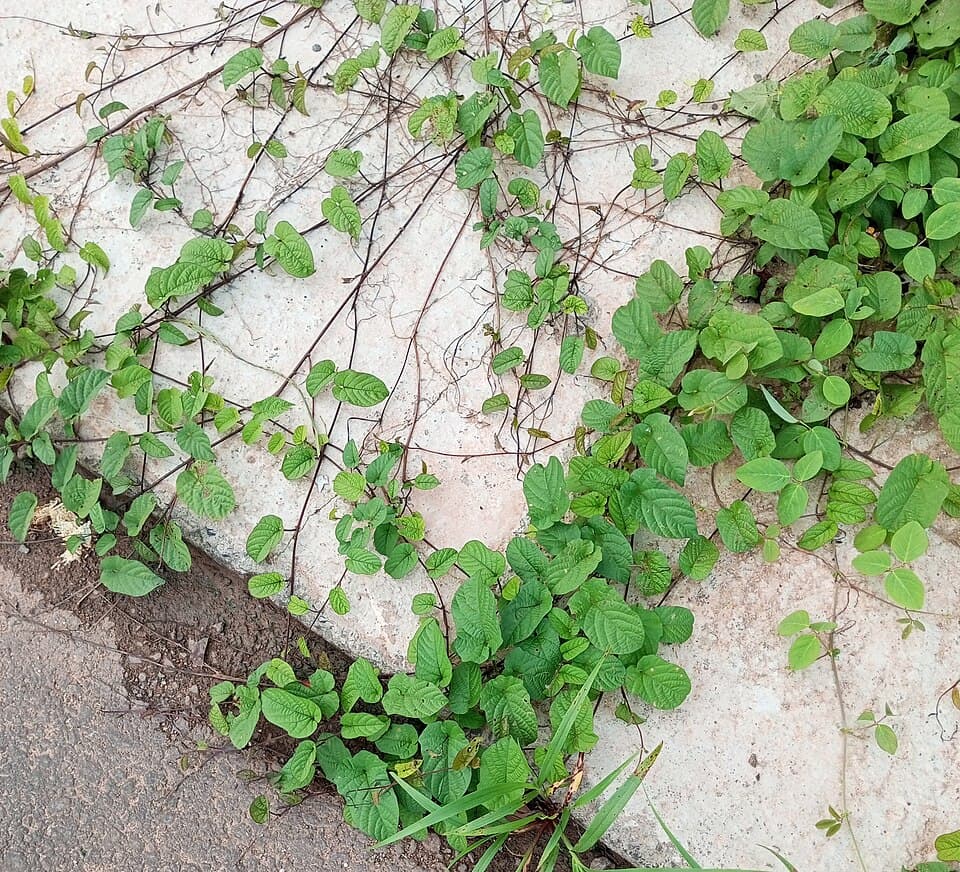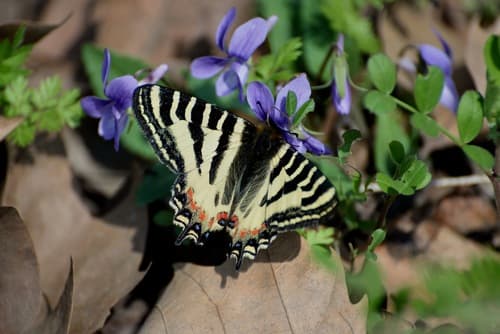
Violet
NameViolet
Scientific NameViola odorata
Common NamesSweet Violet, Wood Violet, English Violet, Garden Violet
Plant FamilyViolaceae
Natural HabitatNative to Europe and Asia, commonly found in woodlands, hedgerows, grasslands, and gardens. It thrives in moist, shady to partially shaded environments.
Parts Usedleaf,flower,root
Medicinal Actionsexpectorant, anti-inflammatory, demulcent, diuretic, antimicrobial, antioxidant
Traditional UsesTraditionally used for respiratory ailments such as coughs, bronchitis, and sore throats due to its expectorant and demulcent properties. It has also been applied topically for skin conditions and historically used for headaches and as a mild laxative.
Active ConstituentsSaponins, Mucilage, Flavonoids, Salicylic acid derivatives, Volatile oils
Preparation Methodsinfusion, decoction, tincture, poultice
Contraindications & WarningsLarge doses of the root can be emetic. Generally considered safe in medicinal doses, but caution is advised for pregnant or nursing women due to limited research.
Cultivation NotesPrefers partial to full shade and moist, well-drained soil rich in organic matter. It propagates easily from seed or by division of its runners.
Raritycommon
Description
A low-growing perennial herb characterized by its heart-shaped leaves and small, fragrant, typically deep purple flowers. It spreads via stolons, forming dense groundcover in suitable conditions.