Loasa nitida
NameLoasa nitida
Scientific NameLoasa nitida
Common NamesLoasa nitida, Ortiga brava
Plant FamilyLoasaceae
Natural HabitatNative to the coastal arid and semi-arid regions of Chile and Peru, often found growing on sandy soils, dunes, and rocky slopes near the ocean.
Parts Usedwhole_plant,leaf
Medicinal Actionsanalgesic
Traditional UsesSpecific traditional medicinal uses for Loasa nitida are not widely documented. However, other species within the genus Loasa are traditionally known for their stinging hairs, which have been used topically as a counter-irritant to treat rheumatic pain, arthritis, or localized aches.
Active ConstituentsSpecific active constituents for Loasa nitida are not well-documented. However, stinging hairs in the Loasaceae family are known to contain irritating compounds, which may include biogenic amines and other irritants responsible for their counter-irritant effect.
Preparation Methodspoultice, salve
Contraindications & WarningsDirect contact with stinging hairs can cause significant skin irritation, redness, itching, and pain. Internal consumption is not recommended due to lack of safety data and potential for severe irritation. Individuals with sensitive skin or allergies should avoid contact.
Cultivation NotesPrefers full sun exposure and well-drained, sandy or rocky soils, mimicking its native coastal desert habitat. It is drought-tolerant once established. Propagation is typically by seed.
Rarityuncommon
Description
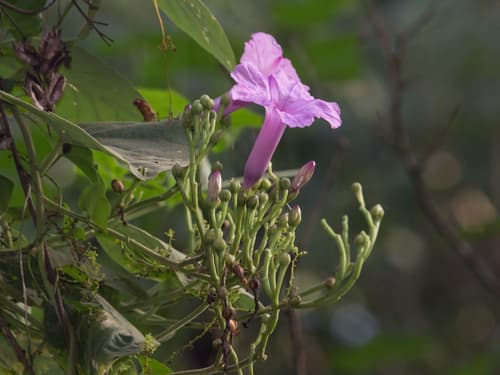
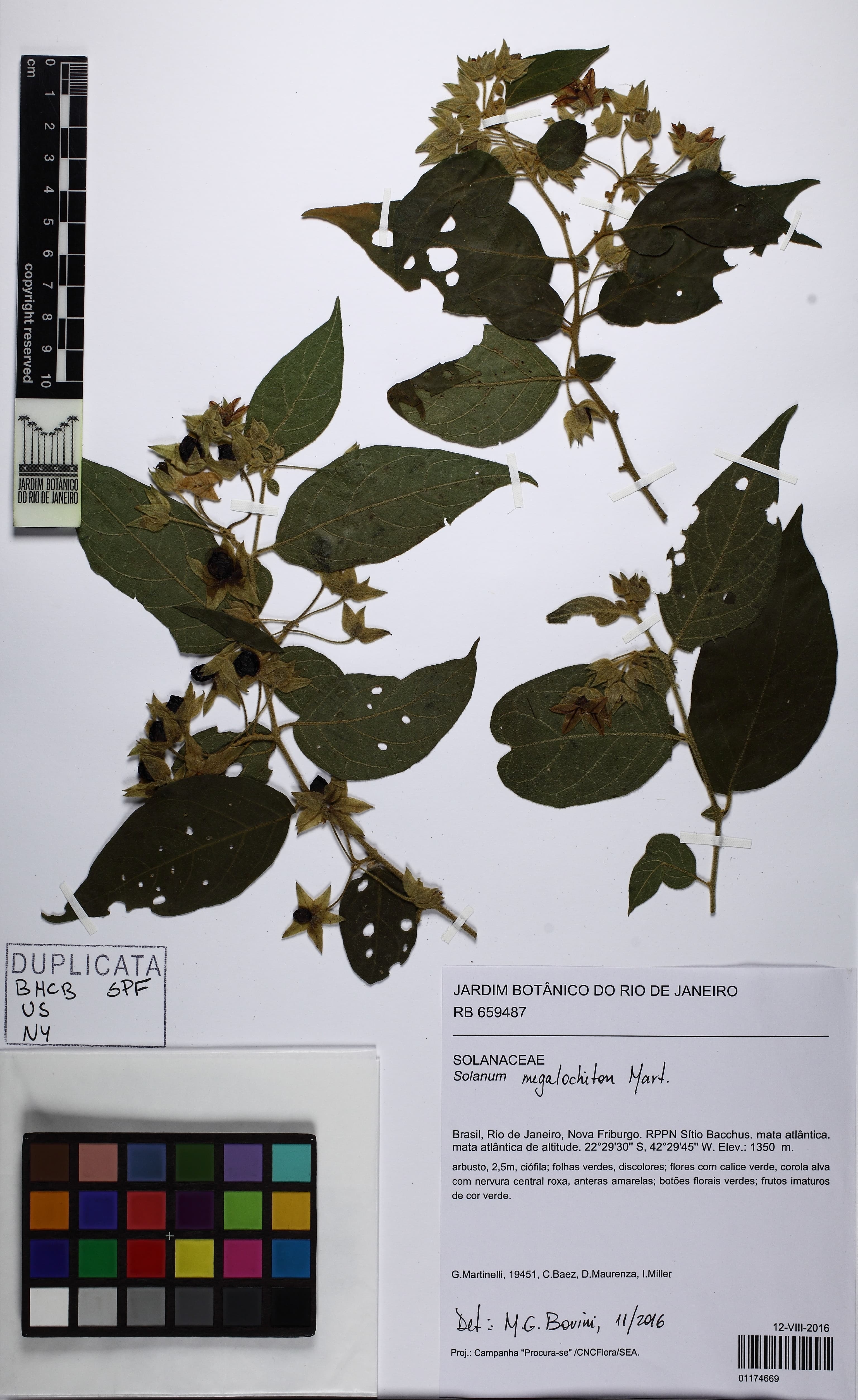
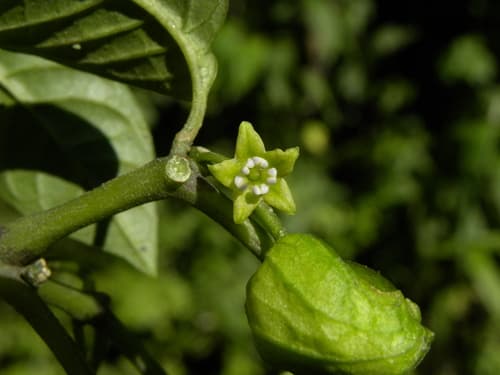
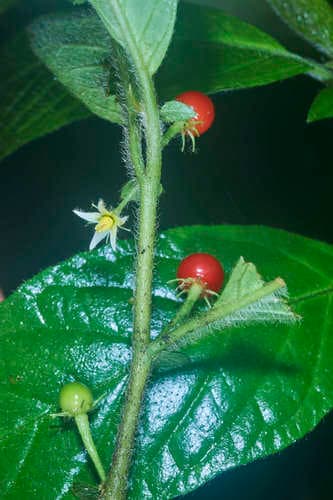
Loasa nitida is an annual or perennial herbaceous plant characterized by its striking yellow, often six-petaled flowers with a complex central structure. Its stems and leaves are typically covered in stinging hairs, a common feature of the genus.