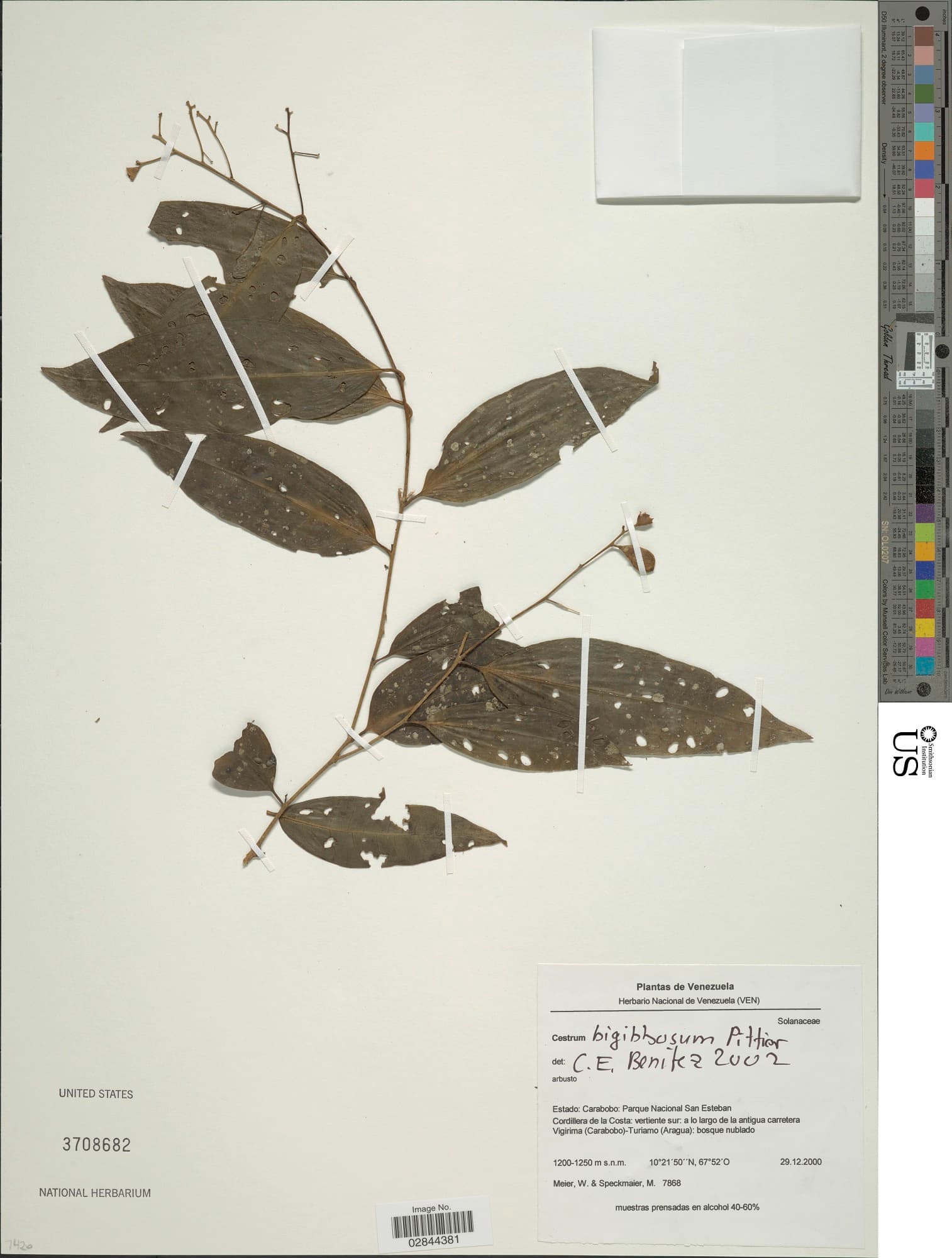
Nasa driessleae
NameNasa driessleae
Scientific NameNasa driessleae
Common NamesStinging Loasa
Plant FamilyLoasaceae
Natural HabitatNative to the Andean regions of Peru, typically found in rocky slopes, disturbed areas, or forest edges at moderate to high altitudes.
Parts Usedleaf,whole_plant
Medicinal Actionsanalgesic, anti-inflammatory
Traditional UsesSpecific traditional uses for *Nasa driessleae* are not widely documented. However, some species within the Loasaceae family, known for their stinging properties, have been traditionally used externally as counter-irritants for localized pain or inflammation, similar to how stinging nettle (Urtica dioica) is sometimes employed.
Preparation Methodspoultice
Contraindications & WarningsDirect contact with the plant's stinging hairs can cause significant skin irritation, redness, and pain. Internal use is not recommended due to lack of safety data and potential for severe irritation.
Cultivation NotesPrefers well-drained soil in partial shade to full sun, typical of its Andean mountain habitat. Requires moderate moisture and can be sensitive to extreme heat or cold.
Rarityuncommon
Description
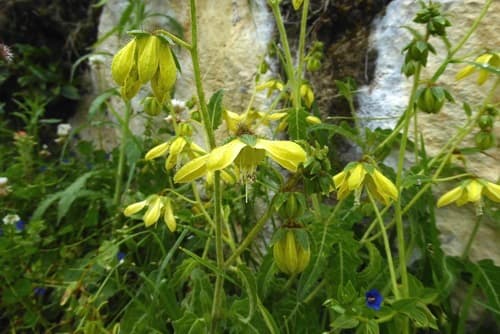
An herbaceous perennial plant characterized by its deeply lobed, often hirsute leaves and pendulous, bell-shaped yellow flowers. The plant is typically covered in stinging hairs (glandular trichomes) which can cause significant skin irritation upon contact.