Buttonbush Dodder
NameButtonbush Dodder
Scientific NameCuscuta gronovii
Common NamesButtonbush Dodder, Common Dodder, Gronovius' Dodder
Plant FamilyConvolvulaceae
Natural HabitatThis dodder species is found in moist to wet habitats, including swamps, marshes, stream banks, and ditches, where it parasitizes a wide range of herbaceous and woody plants, often including buttonbush (*Cephalanthus occidentalis*).
Parts Usedwhole_plant
Medicinal Actionsastringent, diuretic, antioxidant
Traditional UsesWhile *Cuscuta gronovii* is not a primary medicinal species, other *Cuscuta* species (particularly in Asian traditional medicine) are used to tonify kidney yang, benefit the liver, and improve vision. Generally, dodder species have been traditionally employed as mild diuretics, astringents, and for supporting liver and kidney function.
Active Constituentsflavonoids, lignans, polysaccharides, coumarins
Preparation Methodsinfusion, decoction, powder
Contraindications & WarningsDue to its parasitic nature and lack of extensive research on *Cuscuta gronovii* specifically, caution is advised. General contraindications for *Cuscuta* species include pregnancy, lactation, and individuals with yin deficiency with heat signs (in TCM context). Potential interactions with blood-thinning medications due to coumarin content should be considered.
Cultivation NotesDodder is a parasitic plant and cannot be cultivated independently. It requires a living host plant to germinate and grow, making it challenging to cultivate intentionally for medicinal purposes. It is often considered a weed in agricultural settings.
Raritycommon
Description
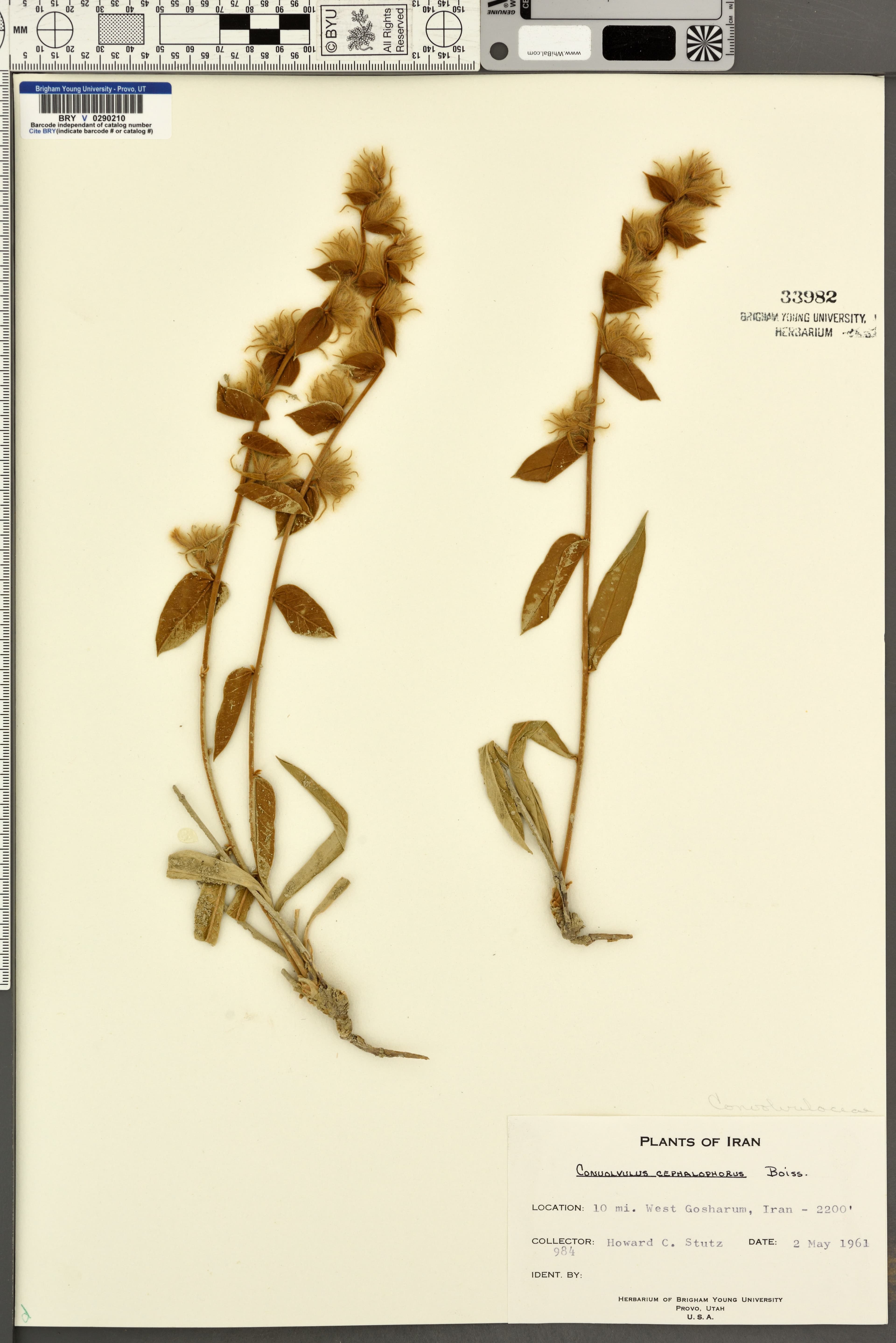
Buttonbush Dodder is a parasitic annual vine characterized by its thread-like, yellowish-orange stems that twine tightly around host plants. It lacks true leaves and chlorophyll, relying entirely on its host for nutrients, and produces clusters of small, white to cream-colored flowers.