Usnea
Image: volkerrachow (cc-by-nc)
NameUsnea
Scientific NameUsnea barbata
Common NamesOld Man's Beard, Tree Moss, Beard Lichen, Usnea Lichen
Plant FamilyParmeliaceae
Natural HabitatEpiphytic, growing on the bark of trees (especially conifers and deciduous trees) in moist, unpolluted, temperate and boreal forests. It serves as an indicator of clean air quality.
Parts Usedwhole_plant
Medicinal Actionsantimicrobial, anti-inflammatory, antioxidant, expectorant, astringent
Traditional UsesTraditionally, Usnea has been used for respiratory infections such as coughs, colds, bronchitis, and sore throats due to its potent antimicrobial properties. It is also applied topically for wound healing, skin infections, and used internally for urinary tract infections.
Active ConstituentsUsnic acid, Polysaccharides, Depsides
Preparation Methodstincture, decoction, poultice, powder
Contraindications & WarningsGenerally considered safe with appropriate use. High doses or prolonged internal use may rarely cause liver irritation in sensitive individuals. Allergic reactions are possible, especially with topical application. Not recommended for pregnant or breastfeeding women without professional advice.
Cultivation NotesUsnea is extremely difficult to cultivate commercially due to its slow growth rate and specific environmental requirements, including clean air and stable humidity. It is typically wild-harvested, making sustainable collection practices essential.
Rarityuncommon
Description
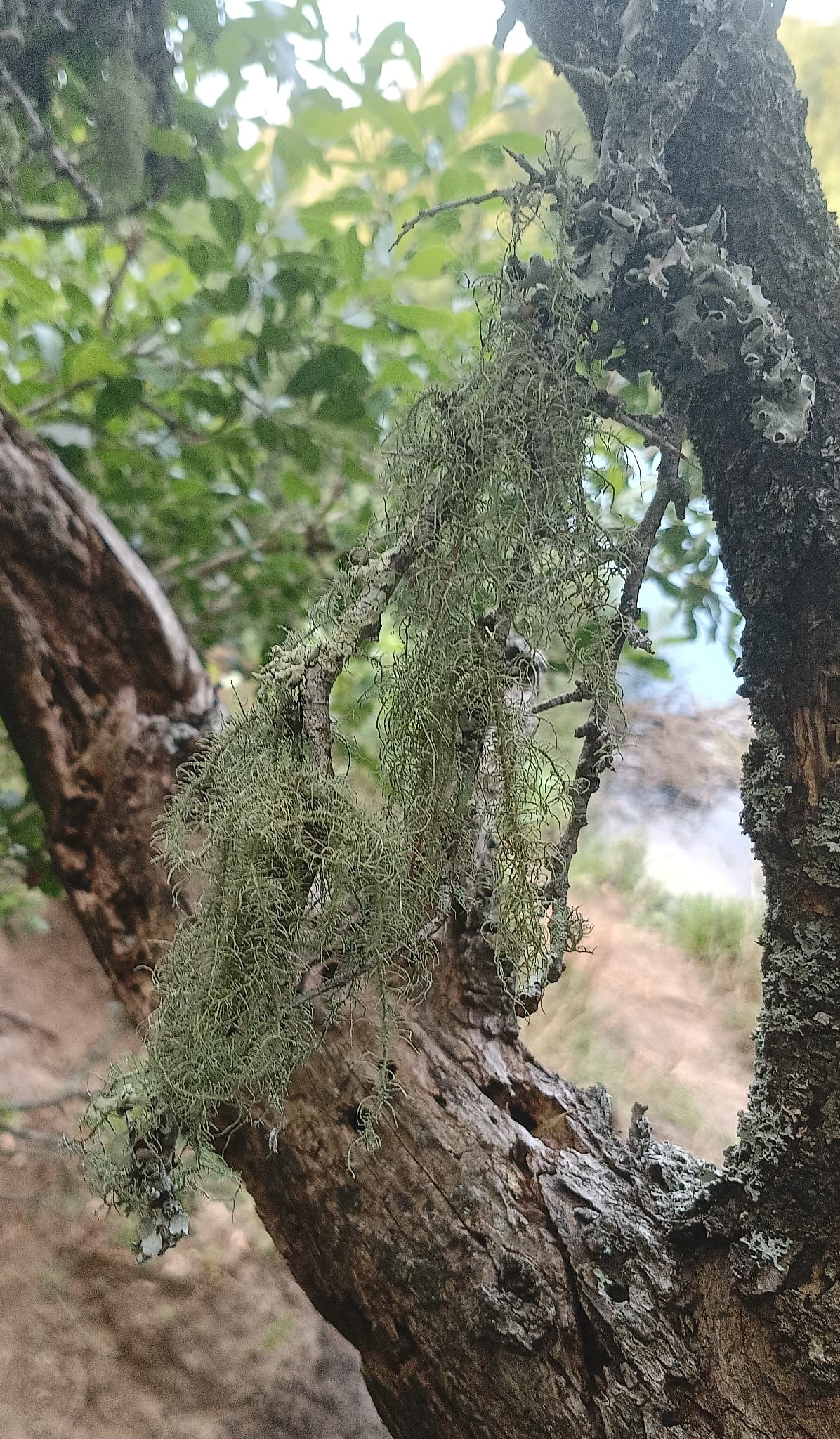
Usnea barbata is a fruticose lichen characterized by its pendulous, grayish-green, hair-like thallus that hangs from tree branches. It possesses a distinctive elastic white core when stretched, which helps differentiate it from other hanging lichens or Spanish moss.